
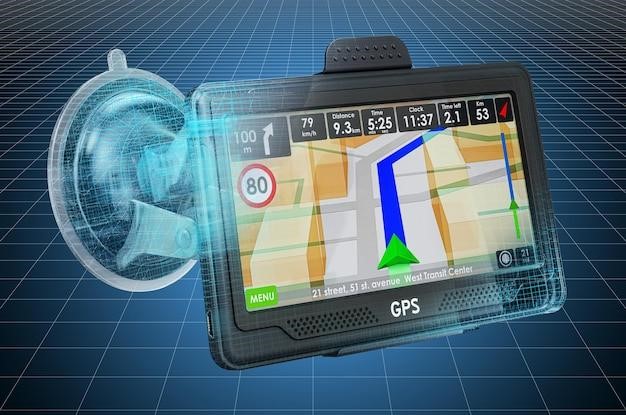
GPS-tracking truck software has become the cornerstone of fleet management. As a fleet manager, you’ll find great utility in adopting this technology to improve operational safety and efficiency. GPS trackers monitor driver conduct and give real-time updates on route deviations and fleet locations to help you decrease accidents.
Moreover, the regular updates will allow you to make data-driven decisions regarding your service delivery. As a result, your clients will be amazed and their satisfaction enhanced.
Your drivers are the greatest beneficiaries. GPS tracking truck software prioritizes safety by giving truck drivers precise navigation data to enable them to reach their destinations on time and securely.
As you can see, fleet businesses enhance safety through GPS tracking. This article unpacks the most significant ways GPS tracking truck software ensures better fleet safety.

1. Continuous Monitoring
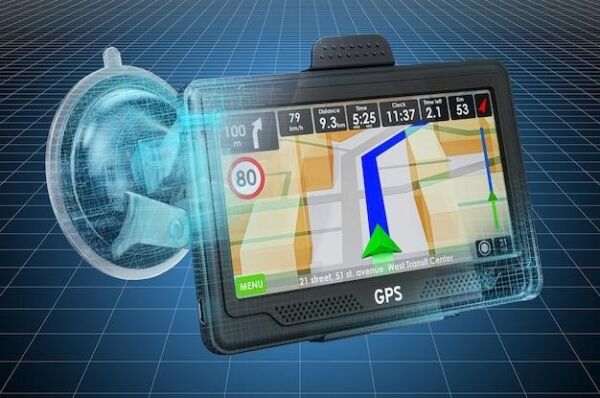
A GPS software track for trucks monitors your fleet in real-time and gives you its actual position to help you continuously monitor the movements of your trucks. With this data, you can act swiftly in case of an emergency, an accident, or atypical fleet behavior.
2. Enhancing Your Operational Routes
The elements can be a nuisance in the fleet business. So, having software that will update you on weather changes, road closures, and traffic is a welcome development. A GPS tracking truck provides this data in real-time to augment your route planning and optimization. In addition, your drivers will cruise on the best routes, avoid traffic, and minimize the risks of accidents.
3. Monitoring the Behavior of Your Truck Drivers
You’ll be quick to agree that your drivers are significant players when it comes to fleet safety. Therefore, you should prioritize monitoring their conduct on the road. Thanks to GPS trackers, you can now do that without a hassle.
The trackers watch for any driving behaviors that may compromise safety. They monitor hard braking, speeding, and sudden accelerations and relay this information to you so you can address issues promptly and encourage safe driving practices.


4. Preventing Driver Fatigue
Fatigued truck drivers pose an enormous risk to your fleet’s safety. As such, you need a system to record drivers’ duty hours and relay performance metrics to help you decide which driver to put on the road. This is where GPS tracking truck software comes in to help you control driver fatigue.
5. Maintenance Planning
GPS tracking software lets you keep tabs on essential car metrics that point out maintenance and performance issues. Consequently, you can schedule crucial repairs and fleet maintenance and prevent unprecedented breakdowns and accidents.
6. Reducing Theft
No fleet business can survive without the guaranteed safety of its trucks and other vehicles. Whether you have leased or bought them, they must be managed and secured for the smooth running of your business.
Through a GPS fleet tracking system, you can recover lost or stolen vehicles with the instantaneous location data displayed by the software.


7. Driver Accountability Through Warnings and Geofencing
When you install GPS trackers in your trucks, your drivers will know they are being monitored. Therefore, they’ll be more likely to drive more carefully and commit themselves to operational safety.
Moreover, through the geofencing feature, you can draw imaginary lines in your daily routes such that an alarm goes off when these lines are crossed. This further promotes driver accountability by abating theft, unauthorized usage, and route deviation.
Other Benefits of GPS Tracking Truck Software Beyond Safety
Beyond safety, GPS trackers offer much more for fleet businesses like yours. Whether you own a small or huge fleet, these trackers will significantly boost your operational efficiency and cost-effectiveness.
Therefore, before jumping into the wagon and acquiring the software, it would be best to ask how the program will improve your fleet. Here are three more important reasons to install a GPS tracking truck software:
1. Savings on Costs
GPS trackers save you money in several ways. By monitoring driving patterns and optimizing routes, you can promote fuel efficiency. The real-time data helps your drivers take the best routes that consume less gasoline.
Additionally, the constant maintenance reminders and car metrics updates reduce breakdowns and extend vehicles’ lifespan to further cut down on operational costs.
2. Improved Efficiency and Productivity
Enhancing your business efficiency and productivity will make it stand out among competitors. A GPS tracking system helps you monitor time spent on the road and at stopovers, thus making operations more efficient. This includes route optimization, sending the nearest vehicle to where the client is, and encouraging fuel efficiency.
Moreover, GPS software can digitize your workflows and further boost productivity. With the data conveyed, you’ll be able to streamline inventory, billing, payrolls, and other administrative tasks.

3. Customer Satisfaction
A critical advantage of GPS tracking software for fleet businesses that provide an in-person customer experience is its effect on enhancing customer satisfaction.
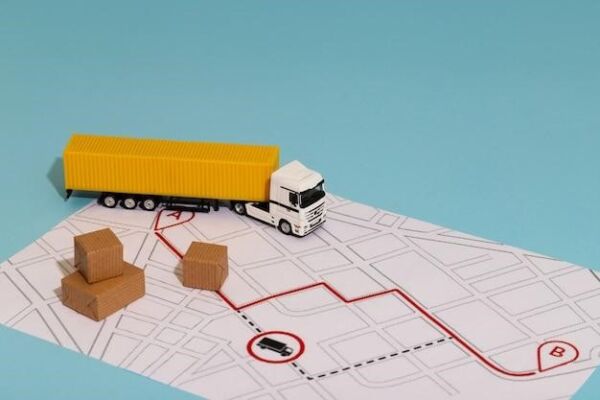
For example, suppose you’re a courier service; you can use GPS data to give your customers real-time updates on delivery and shipping.
Doing so informs your customer where their package is in transit and also notifies them when the parcel has been dispatched and delivered.
Final Words
GPS-tracking truck software plays a vital role in enhancing fleet safety and operational efficiency. It provides real-time monitoring of vehicle locations, tracks driver behavior, and enables quick responses during emergencies, significantly reducing risks.
Features like geofencing, theft prevention, and route optimization ensure safer operations while promoting driver accountability and minimizing accidents. It enhances both safety and vehicle performance by facilitating maintenance planning and preventing driver fatigue.
Beyond safety, the software improves cost savings, productivity, and client satisfaction, making it an indispensable tool for modern fleet management.