
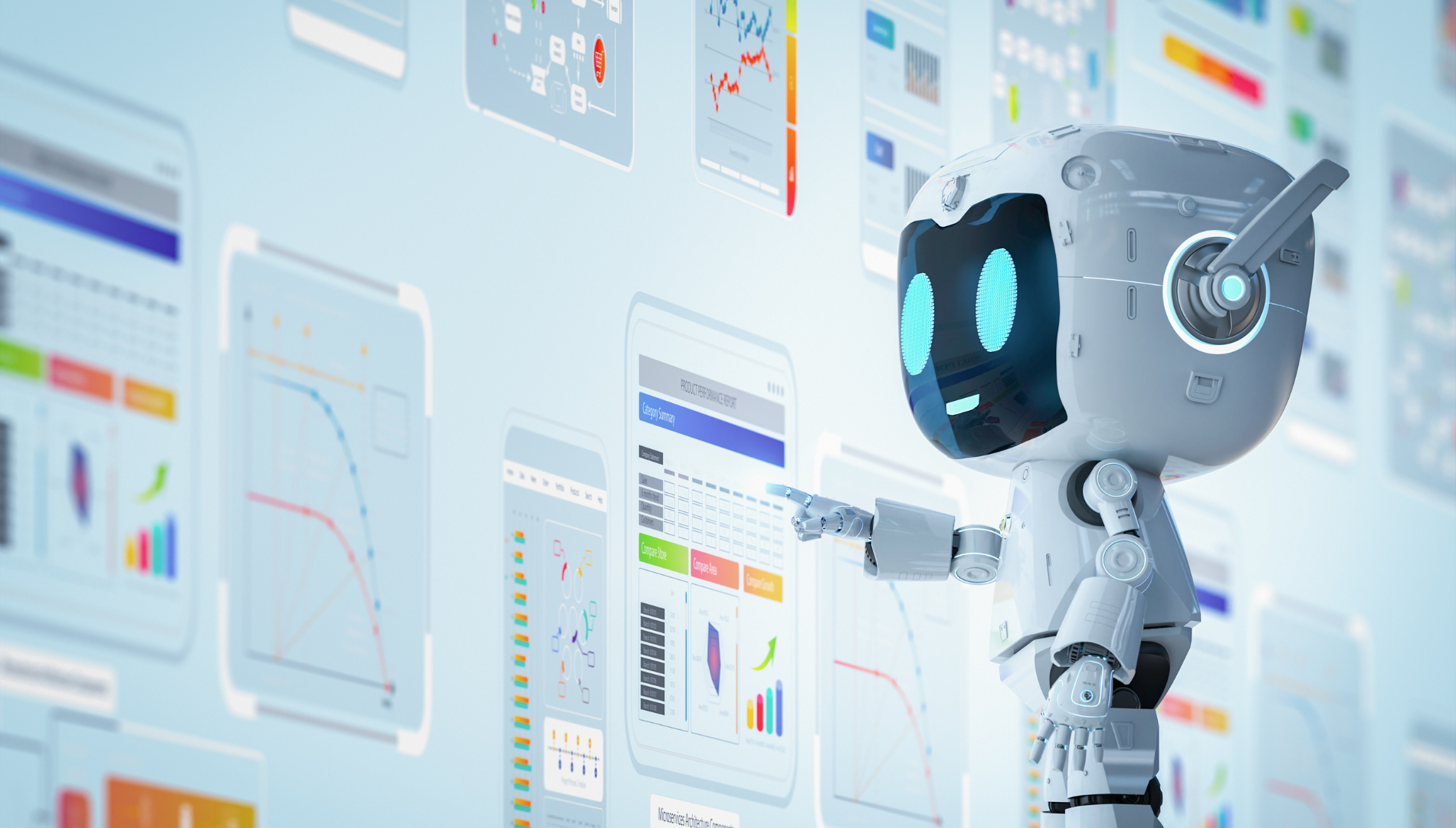
Remote work has evolved from a temporary solution into a permanent strategy for many organizations,and with that shift comes new challenges around productivity and time management. With teams spread across time zones and working at different paces, staying efficient requires more than just good intentions, it requires data. By analyzing how time is spent, remote teams can make smarter decisions, reduce waste, and improve overall performance.
In fact, the remote job market has expanded significantly, with three times more remote positions available now than in 2020, signaling a major transformation in how, and where work gets done. As this trend continues, data-driven time management is becoming essential for staying competitive and collaborative in a distributed environment.
Advanced Data Analytics Framework for Remote Team Performance
Understanding the shift from basic time tracking to sophisticated data-driven strategies sets the foundation, but success requires implementing the right analytical framework. Let’s explore how advanced analytics transforms raw productivity data into actionable insights that drive measurable performance improvements.
Real-Time Performance Metrics That Drive Results
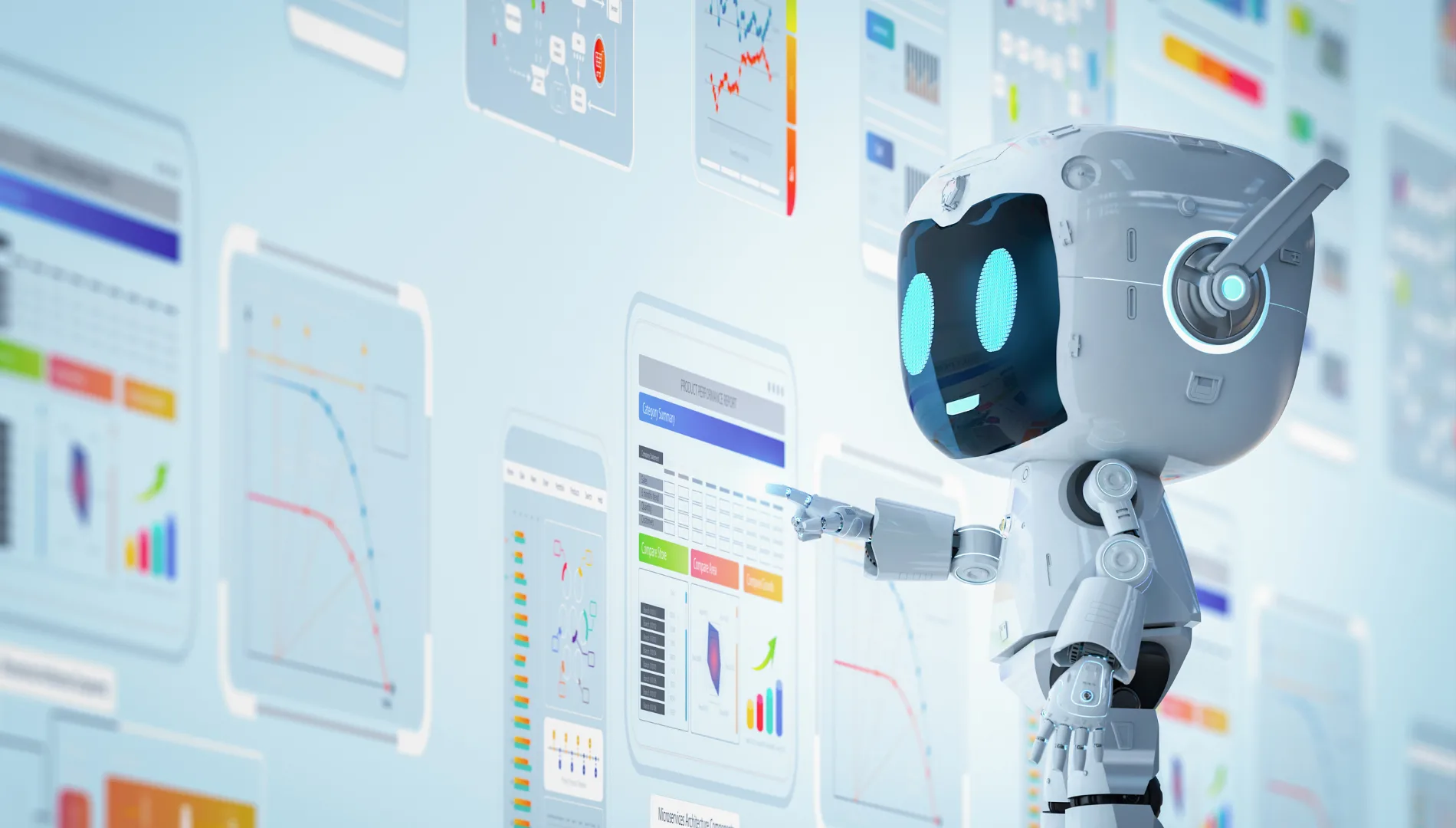
Real-time data collection gives managers instant visibility into team activity patterns and workflow bottlenecks. Modern platforms track everything from task completion rates to collaboration frequency, creating a comprehensive picture of how work actually gets done.
These systems monitor cross-team communication efficiency, measuring response times and identifying when projects stall due to coordination issues. Resource utilization metrics help teams understand which tools and processes deliver the best results, while activity pattern analysis reveals peak productivity hours for each team member.
The key isn’t collecting more data,it’s collecting the right data that leads to better decisions. When teams can outsource virtual assistant tasks for routine data analysis, they free up valuable time for strategic thinking and creative work.
Predictive Analytics for Proactive Time Management
Predictive models use historical patterns to forecast potential problems before they impact deadlines. Workload forecasting helps managers distribute tasks more effectively, preventing burnout while maintaining productivity standards.
Bottleneck prediction algorithms analyze communication flows and task dependencies to identify where delays are most likely to occur. Performance trend analysis provides early warnings when team members might be struggling, allowing for proactive support rather than reactive crisis management.
While real-time metrics and predictive analytics provide the data foundation, the next evolution involves using artificial intelligence to automate decision-making processes. Discover how AI-powered solutions can intelligently interpret your analytics data to improve time management without constant human intervention.
AI-Powered Time Management Solutions for Distributed Teams
Intelligent Task Prioritization Using Machine Learning
Machine learning algorithms analyze task complexity, deadline urgency, and team member capacity to create dynamic priority rankings. These systems learn from past performance data to recommend optimal task assignments based on individual strengths and current workload.
Smart deadline adjustment features automatically recalibrate project timelines when unexpected delays occur. AI virtual assistant technology can process multiple variables simultaneously,something that would take humans hours to calculate manually.
The algorithms get smarter over time, recognizing patterns in how different team members work best and adjusting recommendations accordingly. This personalized approach ensures that priority systems actually reflect real-world working conditions rather than theoretical ideals.
Virtual Assistant Services Integration for Maximum Efficiency
Virtual assistant services handle routine administrative tasks like scheduling, progress reporting, and status updates automatically. This automation reduces the cognitive load on team members while ensuring nothing falls through the cracks.
Intelligent calendar optimization analyzes meeting patterns and suggests better scheduling options that minimize disruption to focused work time. Smart notification management filters communications based on urgency and relevance, reducing the constant ping of irrelevant messages.
These systems integrate seamlessly with existing project management tools, creating a unified workflow that feels natural rather than intrusive. When routine tasks get automated, teams can focus their mental energy on work that actually requires human creativity and problem-solving skills.
AI automation handles task prioritization and routine processes efficiently, but even the smartest algorithms can’t overcome communication bottlenecks that drain team productivity. Here’s how data analytics can revolutionize the way your remote team collaborates and communicates.
Data-Driven Communication Optimization Strategies
Meeting Analytics and Communication Efficiency Metrics
Meeting analytics tools calculate the actual return on investment for different types of meetings, helping teams eliminate time-wasting sessions. Communication channel effectiveness analysis reveals which platforms work best for different types of conversations.
Response time pattern analysis shows how quickly team members typically respond to different communication types. This data helps establish realistic expectations and identify when someone might be overwhelmed or disengaged.
Asynchronous versus synchronous communication impact measurement helps teams find the right balance between real-time collaboration and focused individual work time.
Collaboration Pattern Analysis for Team Synchronization
Cross-timezone productivity analysis identifies the optimal windows for team collaboration, reducing the need for inconvenient meeting times. Team interaction frequency metrics track relationship strength and information flow between different team members.
Knowledge sharing effectiveness tracking measures how well information spreads throughout the team, identifying potential communication silos. Decision-making velocity improvement focuses on reducing the time between identifying problems and implementing solutions.
These insights help remote teams work together more effectively despite physical separation. When communication flows smoothly, everything else becomes easier to manage.
Advanced Time Tracking Beyond Traditional Methods
Behavioral Analytics and Work Pattern Recognition
Deep work session quality assessment goes beyond simple time tracking to measure actual focus and productivity levels. Context switching impact measurement shows how much time gets lost when team members juggle multiple tasks simultaneously.
Energy level correlation analysis identifies when each team member performs their best work, enabling better task scheduling. Productivity rhythm identification helps individuals understand their natural work patterns and plan accordingly.
This data helps address a critical problem: 69% of remote workers report experiencing burnout, often due to blurred boundaries between work and personal life. Behavioral analytics can catch early warning signs before burnout becomes a serious issue.
Multi-Modal Data Collection and Integration
Comprehensive tracking systems pull data from multiple sources to create complete productivity profiles. Environmental factor analysis considers elements like weather, noise levels, and workspace setup that might affect performance.
Cross-platform activity aggregation combines data from different tools and applications to provide unified insights. IoT device integration adds another layer of context, potentially including factors like room temperature or lighting conditions.
The goal isn’t to create a surveillance system but to help team members understand what conditions help them do their best work.
Performance Benchmarking and Competitive Analytics
Industry-Specific Productivity Benchmarks
Role-based performance standards help teams understand whether their productivity levels match industry norms. With 68% of tech professionals working remotely, technology companies are setting the pace for remote work best practices.
Competitive analysis using anonymized industry data provides context for individual team performance. Best practice identification from high-performing teams offers concrete improvement strategies rather than theoretical advice.
Personalized Productivity Optimization
Individual performance profiles help team members understand their unique working patterns and preferences. Customized improvement recommendations focus on specific areas where each person can make the biggest impact.
Skill gap identification through time allocation analysis reveals training opportunities that align with career development goals. This personalized approach ensures that productivity improvements feel supportive rather than punitive.
FAQs
What’s the difference between time tracking and data-driven time management for remote teams?
Time tracking records hours worked, while data-driven management analyzes patterns, predicts bottlenecks, and provides actionable insights for productivity optimization.
How can small remote teams implement advanced analytics without large budgets?
Start with free basic analytics tools, gradually building data collection capabilities and investing in sophisticated solutions as ROI becomes evident.
What privacy concerns should remote teams consider when implementing comprehensive data collection?
Establish clear usage policies, ensure compliance with regulations, implement consent systems, and maintain transparency about data collection purposes.