
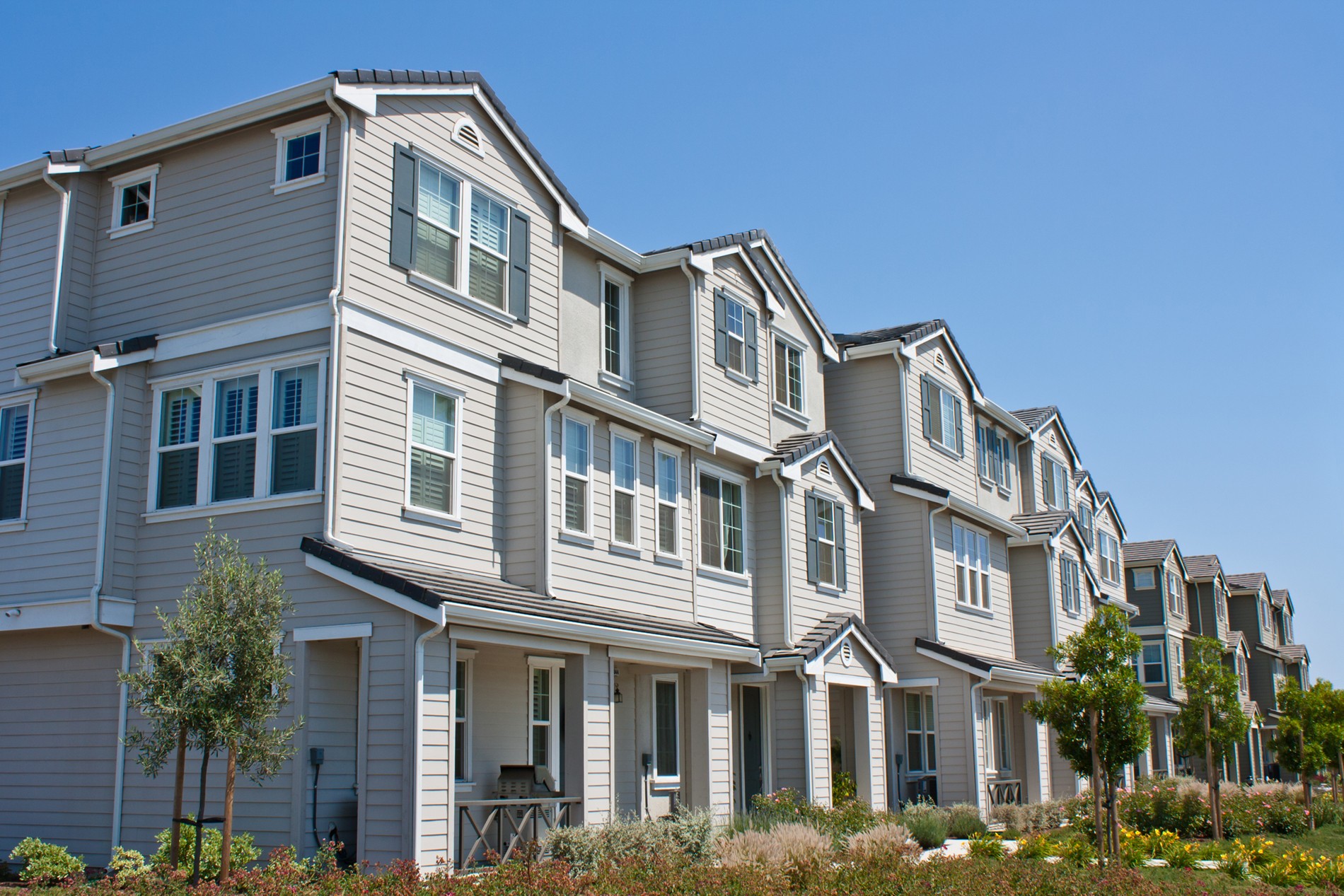
The multifamily real estate industry has developed significantly in recent years. Traditional marketing methods like print ads and word-of-mouth referrals are no longer enough to attract modern renters.
Today, digital strategies improve engagement and make property marketing more efficient than ever. Even the studies reveal that most of the renters search for apartments online before visiting. This makes digital marketing more important for property managers.
That said, in this article, let’s know in detail how digital strategies are reshaping multifamily marketing. So, without further delay, dive in!
1. SEO: Getting Found Where It Matters
Having a great property is not enough if people can’t find it online. In that case, Search Engine Optimization (SEO) comes into play.
It ensures multifamily properties appear in search results when renters look for apartments. SEO involves managing several key aspects, including:
-
Local SEO: Optimizing for location-based keywords helps properties rank in Google searches.
-
Google My Business (GMB): Keeping a well-optimized GMB profile ensures properties show up in local search results. But you should make sure that it contains accurate contact details, photos, and reviews.
-
Content Marketing: Blogs and FAQs improve a property’s SEO while providing valuable information to potential renters.
However, to make the most of this digital strategy, you should get the assistance from the specialized digital marketing agencies.
Investing in multifamily marketing services that specialize in SEO can make a significant impact on your property’s online visibility. Some trusted agencies even offer customized SEO solutions for national, regional, and local multifamily properties.
They have expertise in data-driven strategies and privacy-compliant targeting. This, in turn, will help your property attract more organic traffic and increase occupancy rates.
2. AI and Automation: Smarter Leasing
Managing a property involves so many daunting tasks that are very time-consuming. These tasks include managing inquiries, scheduling tours, and following up with prospects.
However, these days, AI-powered tools are making the leasing process faster and more efficient. Here’s how:
-
Chatbots and Virtual Assistants: AI chatbots can instantly respond to tenant inquiries. They can also book their tours and provide property details 24/7 to them.
-
Automated Email Campaigns: Sending personalized emails encourages leads. You can send reminders, property updates, and follow-ups to the renters based on the interactions.
-
Predictive Analytics: AI helps property managers forecast occupancy trends, rental demand, and tenant preferences. This, overall, allows them to make data-driven marketing decisions.
By streamlining operations, AI and automation free up leasing teams with the above-mentioned tasks. That, in turn, assists them to focus more on high-value tasks.
3. Paid Digital Advertising: Targeting the Right Audience
Paid advertising has transformed how multifamily properties reach potential tenants. With advanced targeting and analytics, digital ads drive high-quality leads efficiently. Have a look at different kinds of ads:
-
Google Ads and PPC Campaigns: These allow properties to appear at the top of search results for specific key terms like “luxury apartments in [city].”
-
Social Media Advertising: Platforms like Meta, Instagram, and TikTok enable hyper-targeted ads. These are mainly based on demographics, location, and user behavior.
-
Retargeting Ads: If a renter visits a website but doesn’t convert, these ads remind them of the property and encourage action.
This step ensures marketing budgets are spent efficiently and reach high-intent renters ready to sign a lease.
4. Social Media: Engaging and Building Community
Social media has become a powerful tool for multifamily marketing. It creates an online community and engages with potential and current residents. The foremost platforms are listed below:
-
Instagram & TikTok: Uploading short-form videos, virtual tours, and behind-the-scenes content on these platforms attract younger renters.
-
Meta Groups: Creating resident communities on this platform will foster engagement and improve retention of the existing tenants.
All in all, a strong social media presence makes properties feel more inviting and approachable. This ultimately leads to higher engagement and brand awareness.
5. Reputation Management: Building Trust Online
Before signing a lease, renters research a property’s reviews and online reputation. A few bad reviews can deter prospects, while positive feedback builds credibility. You can make the most out of this tactic by:
-
Monitoring Online Reviews: You should respond to Google, Yelp, and other important site reviews. This step will show potential tenants that management values resident feedback.
-
Encouraging Positive Reviews: You should encourage happy tenants to leave reviews to improve the property’s online reputation.
A well-managed online reputation boosts trust and makes a property more appealing to potential renters.
Conclusion to Draw
The multifamily industry is experiencing a digital revolution. And the properties that apply modern marketing strategies gain a competitive edge.
It is well-evident that renters’ behavior continues to evolve. So, multifamily properties that adapt to digital trends will attract, convert, and retain tenants more effectively.