
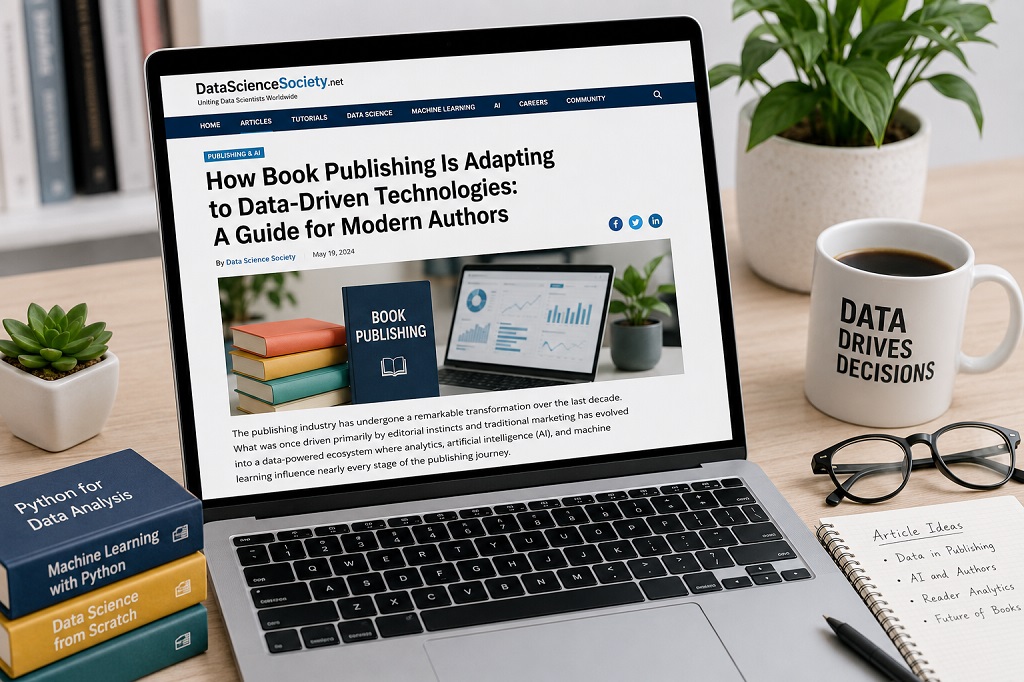
The publishing industry has undergone a remarkable transformation over the last decade. What was once driven primarily by editorial instincts and traditional marketing has evolved into a data-powered ecosystem where analytics, artificial intelligence (AI), and machine learning influence nearly every stage of the publishing journey. Today, book publishing is no longer just about printing books—it is about understanding readers, predicting trends, optimizing marketing campaigns, and helping authors reach the right audience more efficiently than ever before.
For aspiring and established authors alike, understanding how data-driven technologies are reshaping publishing can provide a significant competitive advantage. Whether you’re planning your first manuscript or searching online for a Book Publisher near me, knowing how publishers leverage technology can help you make more informed decisions throughout your publishing journey.
The Digital Evolution of Book Publishing
Technology has revolutionized the publishing landscape. Traditional publishing relied heavily on editors’ expertise and market experience to determine which manuscripts would succeed. While human judgment remains invaluable, today’s publishers increasingly supplement these decisions with data.
By analyzing reader behavior, sales history, online engagement, search trends, and demographic information, publishers can identify genres that are gaining popularity, forecast demand, and create more targeted marketing strategies. This data-driven approach minimizes risk while improving the chances of commercial success.
Modern book publishing has become a blend of creativity and analytics, where storytelling meets technology to create better experiences for both authors and readers.
How Data Science Is Changing Publishing Decisions
Data science enables publishers to transform raw information into meaningful insights. Instead of relying solely on intuition, publishing companies can evaluate measurable factors before making critical business decisions.
Some of the most valuable applications include:
- Predicting emerging literary trends.
- Identifying reader preferences across demographics.
- Optimizing book pricing strategies.
- Improving inventory management.
- Personalizing marketing campaigns.
- Measuring author performance across platforms.
Machine learning algorithms can process millions of customer interactions, revealing patterns that would be impossible to identify manually. These insights help publishers allocate resources more effectively while increasing the likelihood of successful book launches.
Artificial Intelligence Is Empowering Authors
AI tools are becoming valuable companions for authors throughout the writing process. Rather than replacing creativity, they assist with editing, grammar suggestions, readability improvements, keyword research, and audience analysis.
Many authors now use AI to:
- Improve manuscript structure.
- Identify repetitive writing patterns.
- Generate marketing ideas.
- Analyze reader feedback.
- Optimize book descriptions for online marketplaces.
While creativity remains uniquely human, AI helps authors work more efficiently and make data-informed decisions that improve the overall quality of their work.
Reader Analytics Create Better Publishing Strategies
Every digital interaction creates valuable information. Online bookstores, reading applications, social media platforms, and review websites generate enormous amounts of reader data each day.
Publishers analyze metrics such as:
- Reading completion rates.
- Most highlighted passages.
- Customer reviews.
- Genre popularity.
- Seasonal buying trends.
- Geographic demand.
These insights enable publishers to tailor marketing campaigns, recommend similar books, and understand what keeps readers engaged.
This analytical approach allows book publishing professionals to move beyond guesswork and develop evidence-based publishing strategies.
Marketing Has Become More Data-Driven
Marketing has changed dramatically thanks to analytics platforms and digital advertising.
Instead of promoting every title to a broad audience, publishers now identify highly specific reader segments based on interests, demographics, purchasing behavior, and online activity.
Data-driven marketing allows publishers to:
- Deliver personalized advertisements.
- Improve email marketing performance.
- Optimize social media campaigns.
- Track return on investment.
- Identify the most effective promotional channels.
For authors, this means better visibility among readers who are genuinely interested in their work rather than relying on generic advertising campaigns.
Choosing the Right Publisher in the Digital Age
Many first-time authors begin their research by searching for a Book Publisher near me. While local publishers may offer personal interaction and regional market expertise, technology has expanded publishing opportunities far beyond geographical boundaries.
Today, authors should evaluate publishers based on several important factors:
Technology Adoption
Publishers that embrace AI, analytics, and digital marketing often provide stronger promotional support.
Distribution Network
Modern publishers should offer both print and digital distribution across major global platforms.
Marketing Capabilities
Data-driven publishers understand audience targeting, search optimization, and performance tracking.
Transparency
Professional publishers provide clear publishing agreements, royalty structures, and production timelines.
Whether a publisher operates locally or internationally, technological capabilities can significantly impact an author’s long-term success.
Predictive Analytics Is Reducing Publishing Risk
Publishing has always involved uncertainty. No one can guarantee that a book will become a bestseller.
However, predictive analytics helps reduce that uncertainty by evaluating historical sales data alongside current market trends.
Predictive models can estimate:
- Potential sales volume.
- Market demand.
- Seasonal performance.
- Target audience size.
- Marketing effectiveness.
These forecasts enable publishers to make more informed investment decisions while helping authors understand market opportunities before publication.
Self-Publishing Also Benefits from Data Science
Independent authors are increasingly using data science tools that were once available only to large publishing houses.
Today’s self-publishing platforms provide analytics dashboards showing:
- Sales performance.
- Reader demographics.
- Geographic reach.
- Advertising results.
- Conversion rates.
These insights empower independent authors to adjust pricing, improve marketing campaigns, and better understand their audiences.
As a result, successful book publishers are become more accessible regardless of whether an author chooses traditional or independent publishing.
Ethical Use of Data in Publishing
As publishers collect increasing amounts of reader information, ethical data management has become essential.
Responsible publishers prioritize:
- Reader privacy.
- Secure data storage.
- Transparent data policies.
- Compliance with international privacy regulations.
- Ethical AI implementation.
Maintaining trust is just as important as using data effectively. Readers expect their information to be handled responsibly, and publishers that respect privacy are more likely to build lasting relationships with their audiences.
The Future of Book Publishing
Emerging technologies continue to reshape publishing in exciting ways.
Some developments likely to influence the future include:
- AI-assisted content recommendations.
- Voice-powered reading experiences.
- Intelligent translation systems.
- Personalized digital books.
- Automated marketing optimization.
- Enhanced reader analytics.
Data science will continue helping publishers understand readers more deeply while enabling authors to make smarter creative and business decisions.
Rather than replacing traditional publishing expertise, technology enhances it by providing actionable insights that improve efficiency, reduce uncertainty, and create better experiences for everyone involved.
Final Thoughts
The intersection of technology and publishing is creating exciting opportunities for authors around the world. Data science, artificial intelligence, and analytics are transforming every stage of book publishing, from manuscript evaluation and audience research to marketing and long-term sales performance.
For writers beginning their publishing journey, understanding these technological advancements can make a meaningful difference. While many still search online for a Book Publisher near me to find local expertise, today’s publishing landscape extends far beyond physical location. The most successful publishers combine editorial excellence with modern data-driven strategies that help authors reach wider audiences and maximize the impact of their work.
As technology continues to evolve, authors who embrace data-informed publishing practices will be better positioned to connect with readers, adapt to changing market trends, and build sustainable writing careers in an increasingly digital world.