
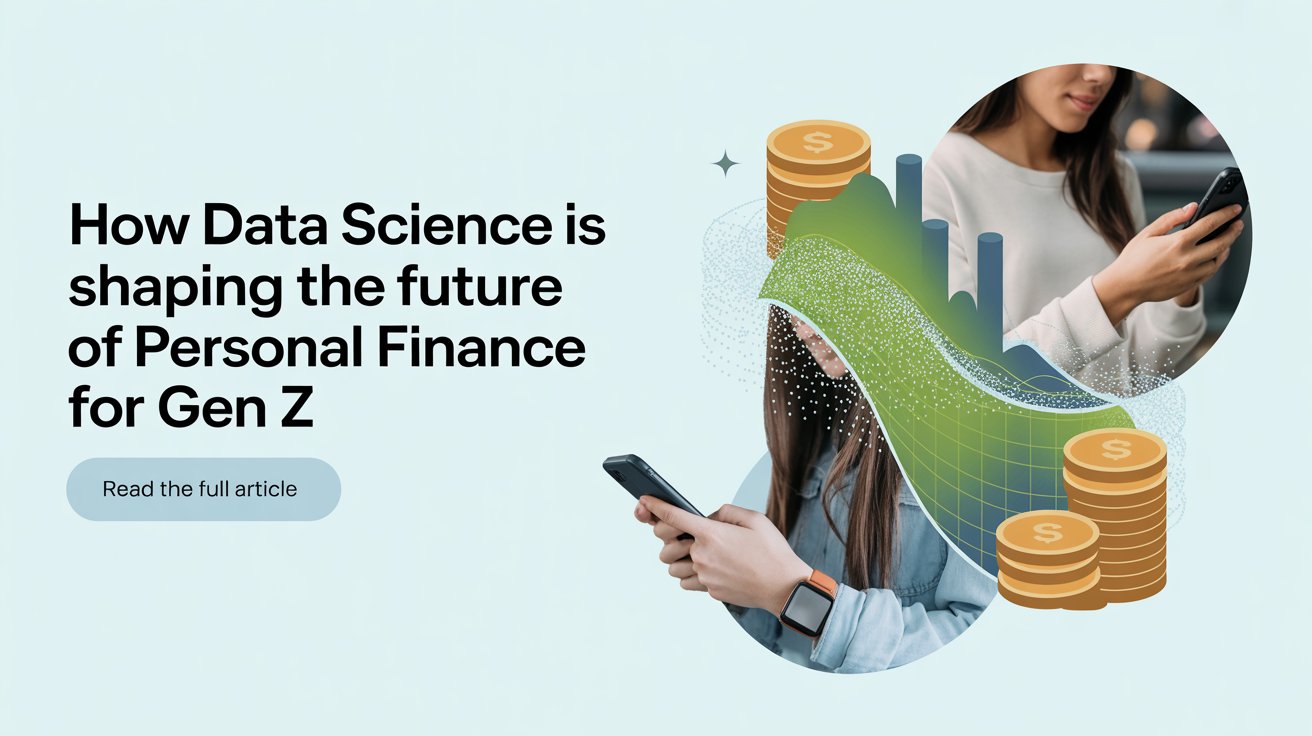
As Gen Z enters the workforce and financial mainstream, their expectations from money management tools are very different from the generations before them. Raised in a world of instant gratification, personalized feeds, and mobile-first services, Gen Z expects their financial tools to be just as adaptive and intelligent. And that’s exactly where data science steps in.
The fusion of fintech and data science is creating a new wave of financial empowerment — one that combines machine learning, predictive analytics, and behavioral modeling to build smarter financial solutions for a generation that refuses to follow outdated rules.
Credit Scores: From Static to Smart
For decades, credit scores have been black boxes — mysterious numbers that impact major life decisions but remain poorly understood, especially among younger users. Traditional credit systems don’t educate users; they simply judge them. But modern fintech platforms are changing that narrative using data-driven content and personalization.
Apps now guide users through financial basics in a format they actually engage with. For instance, before making their first financial move, it’s essential for young users to understand how do credit scores work. This foundational knowledge — delivered through interactive, mobile-friendly formats — helps Gen Z make informed decisions, not just follow rules.
By analyzing user behavior and financial patterns, platforms can adapt learning modules to user needs — surfacing content about secured cards for users with no history, or showing credit utilization tips to those nearing their limits. This adaptive, educational layer powered by data helps bridge the financial literacy gap.
Predictive Models Enable Early Access to Wages
Another breakthrough powered by data science is earned wage access — a model that uses predictive algorithms to let users tap into their income before the standard payday cycle. These models analyze historical earnings, direct deposit patterns, and user behavior to assess eligibility in real time.
Instead of relying on expensive payday loans or overdrafts, users can now get paid before payday through services that responsibly advance funds based on income projections. It’s data-backed trust: the system knows when and how much you typically earn, and it can offer access to a portion of those funds without waiting for the actual paycheck.
This is especially powerful for Gen Z workers who may live paycheck to paycheck, work gig-based jobs, or face unpredictable expenses. Data models allow the system to offer instant liquidity without exposing providers to undue risk — a win-win made possible only through machine learning and behavioral analytics.
Personalization Through Behavioral Analytics
Beyond scores and salaries, data science also drives personalization. Gen Z wants tools that understand them — not generic advice, but relevant nudges and suggestions based on how they actually spend and save.
By leveraging behavioral analytics, fintech apps can:
- Prompt users to set savings goals based on seasonal patterns
- Recommend ways to build credit without traditional debt
- Detect financial stress early and suggest smarter alternatives
The result is a financial experience that feels intuitive, just like the social apps Gen Z grew up with. Finance becomes less intimidating when it adapts to you.
Conclusion: Smarter Systems for a Smarter Generation
The next era of personal finance won’t be ruled by brick-and-mortar banks — it will be led by intelligent platforms that leverage data science to make money management transparent, accessible, and empowering.
From explaining how credit scores work to letting users get paid before payday, data science is quietly but radically reshaping the way Gen Z interacts with money. The more intelligently we use data, the more inclusive and impactful financial tools can become.
For Gen Z, it’s not just about managing money — it’s about mastering it.