
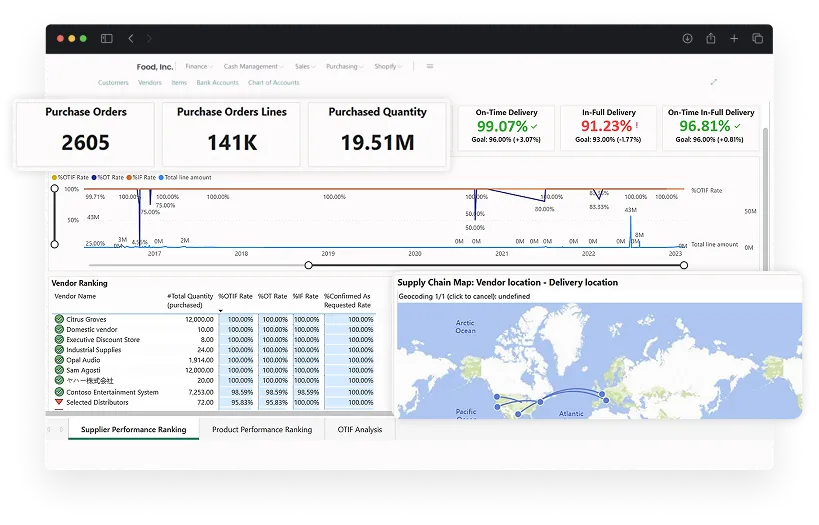
Keeping food moving efficiently from farm to table has never been more complex. With perishable goods, changing consumer habits, and supply chain disruptions becoming more frequent, businesses in the food sector are rethinking how they manage logistics and distribution. Data science has emerged as a key driver of smarter, more resilient supply chains—enabling companies to anticipate issues, optimize processes, and respond faster. This post explores how data-driven decision-making is shaping the future of food logistics, and how it connects with both ERP systems and food delivery platforms.
Navigating the Challenges of Food Supply Chains
Managing a food supply chain involves much more than just moving products. It requires handling goods that can spoil quickly, adapting to fluctuating demand, and complying with strict regulations. Transportation delays, labor shortages, or missed inventory signals can lead to significant losses. Traditional planning tools often fall short in this high-stakes environment, where timeliness and accuracy are non-negotiable.
That’s where data science helps change the equation. By analyzing operational data in real time and applying statistical models, businesses can identify patterns and predict outcomes that would otherwise go unnoticed.
Where Data Science Makes an Impact
Let’s look at specific ways data science is improving logistics and distribution in the food sector:
Smarter Demand Forecasting
Historical sales trends, promotional calendars, weather patterns, and even social media activity can feed into predictive models. These models help anticipate shifts in demand, so companies can adjust procurement and production schedules accordingly. The goal is simple: keep shelves stocked without overstocking.
Efficient Routing and Delivery
Getting food from distribution centers to retailers—or directly to consumers—requires planning around traffic, weather, and time constraints. Route optimization algorithms help logistics teams reduce delivery times and fuel costs while improving customer satisfaction.
Live Tracking and Supply Chain Visibility
IoT devices and sensors allow real-time monitoring of goods in transit. Temperature-sensitive items can be tracked to ensure compliance, while predictive analytics flags risks like route disruptions or vehicle breakdowns before they happen.
Risk Mitigation
Disruptions are inevitable, but they don’t have to be catastrophic. Data science supports early-warning systems by flagging anomalies in supplier behavior, transportation delays, or storage issues. This gives teams time to act before small problems grow larger.
Labor and Warehouse Optimization
Using data from warehouse operations, analytics tools can spot inefficiencies in workforce allocation, inventory layout, or equipment usage. These insights lead to smoother operations and fewer bottlenecks.
Tying It All Together with ERP
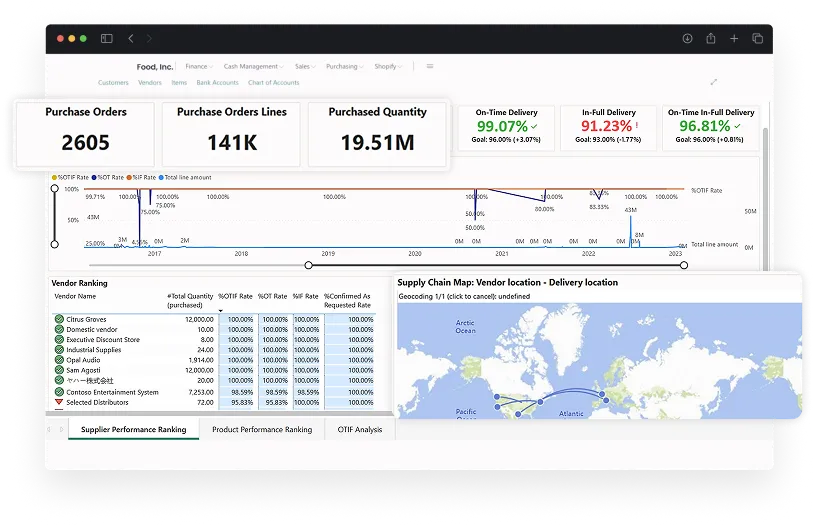
For companies managing complex operations, ERP systems are often the central hub for planning and execution. When data analytics capabilities are layered into ERP platforms, the result is a system that’s not only reactive but predictive.
Solutions like Folio3 FoodTech’s supply chain management for food sector integrate real-time tracking, demand planning, and supplier performance metrics. These features provide businesses with a complete view of their operations and the agility to adapt as conditions change.
The Last Mile: Food Delivery Apps and Real-Time Logistics
In recent years, food delivery platforms have added another layer to the supply chain. Whether it’s a restaurant delivering meals or a grocer offering same-day delivery, the last mile has become a major point of competition—and complexity.
With data science, these apps can:
- Anticipate order volume in different locations
- Allocate drivers based on projected demand
- Adjust delivery windows using traffic data
Behind the scenes, development teams building these platforms are incorporating predictive tools, route optimization, and real-time GPS integration. This is why modern app development for food delivery isn’t just about functionality, it’s about intelligence.
Why This Integration Matters
Imagine a system where an ERP platform forecasts a spike in demand due to a holiday weekend. That forecast triggers changes in warehouse staffing, inventory ordering, and transportation routes. At the same time, delivery apps prepare for increased traffic by shifting drivers and tightening delivery windows. All of this is made possible by connecting data across platforms.
This kind of coordination isn’t just theoretical—it’s happening now. Businesses that embrace these capabilities are already seeing improvements in fulfillment speed, cost savings, and customer satisfaction.
Conclusion
Food logistics has always been a race against time. But today, it’s also a race for information. With data science in the driver’s seat, companies can navigate complex logistics with confidence and clarity.
From ERP systems that guide big-picture planning to delivery apps that respond in real time, the combination of analytics and smart technology is redefining what’s possible. Investing in tools like supply chain management for food sector solutions and app development for food delivery platforms means staying competitive in a world that rewards speed, reliability, and insight.