
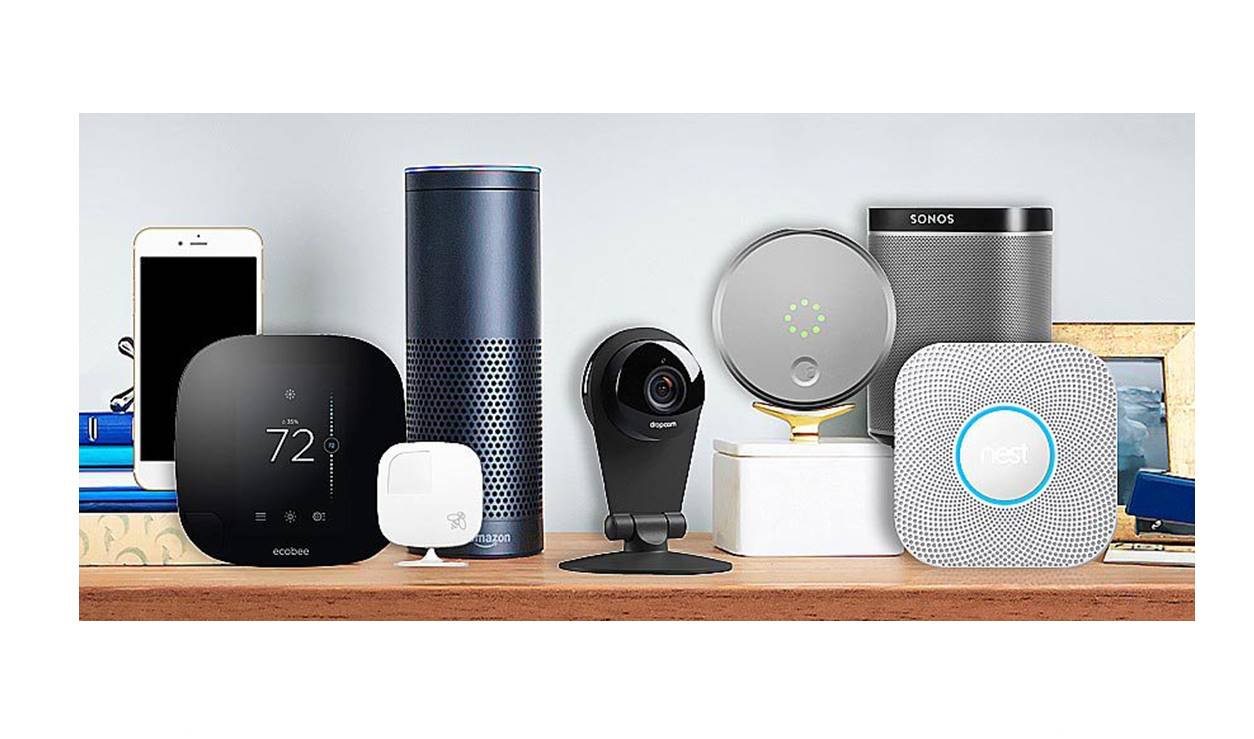
In recent times, artificial intelligence and smart devices (IoT, or Internet of Things) seem to have partnered up and complemented each other’s existence so well that they’re now, on both a professional and personal, individual level, almost always used together. In this blog post, we’ll discuss just that and understand how AI and smart devices enhance each other by improving connectivity.
Smart Home Devices Are Smarter Than Ever
Similar to how a conductor of an orchestra conducts the musicians, AI has become the one that orchestrates the many smart home devices we now have within our homes and even offices. IoT devices are constantly sending out signals and receiving them; however, it’s AI-powered technology that does the job of interpreting this data and taking the required actions.
For example, a smart thermostat learns and adapts to your daily schedule. Your smart lights adjust according to natural light sources or the time of day, and the smart speakers understand what songs you enjoy. AI becomes the brain that doesn’t merely obey commands (like in voice assistants); it can now understand and learn from your habits.
AI and Connectivity
One of the best things about AI happens to be how it can facilitate professional and personal spaces to become more efficient. The thing is, smart devices aren’t just standalone gadgets anymore; they’re usually part of an interconnected ecosystem, and managing that ecosystem is important to prevent any delays or connectivity issues.
At home, it can be something as simple as your speakers playing the music you enjoy and lights turning on, but this feature’s usefulness transcends the mere convenience factor and becomes almost vital when, say, in a hospital setting, it prevents these delays and issues where every second counts.
Here are several ways AI improves connectivity of Smart Home Device(s)
Improved Network Management: Homes are no longer limited to just a single PC. Within one’s home network today, several devices are connected, from printers to PCs to mobile phones. AI, paired with tech support services, can detect where there is too much traffic and can reroute things accordingly, so all devices are taking the optimum path. For users needing help with device connectivity, thorough Windows troubleshooting and software guides are often essential for maintaining smooth system operation.
Automation: Perhaps the biggest convenience factor of AI is that it takes away the manual (and tedious) task of switching every device in your house by automating it. For example, your smart thermostat will know when you prefer a warmer home without having to set it yourself.
Making Devices Work Together: Usually, using a smart home platform, AI is capable of running different brands of smart devices with each other. No matter if you’re using Alexa, Google, or Apple, your devices play nice together. This cross-platform compatibility requires users to often follow in-depth technical setup guides to ensure all components are configured correctly.
Staying Connected: Despite the widespread availability of the internet, it is still far from being considered fail-proof. If you’re a fleet owner, for example, it is possible that your trucks, while they are on the move, may go to a location where internet connectivity isn’t the greatest. There, AI lends a helping hand to smart devices by selecting the best means of communication for them, be it cellular, Wi-Fi, or satellite.
Saving Power and Improving Efficiency: Burnout is a phenomenon that everything in the universe goes through, it is inevitable. However, if energy release is reduced; it can be delayed. Let’s go back to our fleet owner example. IoT devices within your fleet (and in general) would work using battery, and battery drains. The goal is to conserve it as much as possible. AI can limit the amount of power consumption of a device and allocate it towards devices that need it at that very moment to send out an important message. Effective project scheduling, perhaps by using a detailed Gantt chart, is crucial to manage resource allocation and ensure long-term efficiency.
Addressing Security Concerns
As the internet further strengthens its hold over our daily and professional lives, security risks grow, and online data protection becomes more than just paranoia—it’s a real concern.
Phishing scams are everywhere, and there are so many varieties of them. 86 per cent of companies worldwide experienced a form of phishing attempt called bulk phishing. Further research revealed that 60% of employees end up unintentionally and unknowingly revealing their passwords to a malicious website. The entire study goes on, but the point, we believe, should be clear.
However, with the help of AI-based Email Scam Detectors, these phishing scams can be battled. AIs exist that are programmed to, in real-time, detect and alert if a smart home device isn’t acting right, allowing you to rectify the issue before any private or sensitive information is leaked.
Conclusion
Despite how easy AI has made life in various aspects, we’re yet to see its true form, considering it’s still evolving. New ways of enhancing security and improving connectivity and efficiency are being invented by developers, and AI’s widespread usage is almost certainly bound to become mainstream.