

Artificial Intelligence (AI) is revolutionizing search engine optimization (SEO), making it easier to generate content, optimize for keywords, and automate technical aspects of SEO. However, if misused, AI can do more harm than good. Google’s evolving algorithms are designed to detect manipulative SEO tactics, and over-reliance on AI can lead to penalties, lower rankings, and lost traffic.
In this article, we will explore how AI SEO practices can negatively impact your website, common mistakes made by SEOs using AI, and how to mitigate the risks while leveraging AI effectively.
-
Over-Optimized, Low-Quality Content
One of the biggest risks of AI-generated SEO content is that it can be over-optimized with excessive keyword usage and lack of natural flow. AI can generate content quickly, but without proper refinement, it may sound robotic and fail to provide real value.
How It Affects SEO:
- Google’s Helpful Content Update prioritizes human-centric, useful content.
- AI-generated content often lacks depth, unique insights, or storytelling, making it less engaging.
- Overuse of keywords can trigger Google’s spam filters, leading to ranking drops.
Example:
If AI writes an article on “Best SEO Practices,” it may generate paragraphs full of repetitive keywords like:
“SEO is important for SEO success. Using SEO tools for SEO optimization is the best SEO strategy for SEO ranking.”
This type of content is not user-friendly and can lead to penalties.
Solution:
- Always edit AI-generated content for readability and engagement.
- Use AI to assist in content creation but add human creativity and expertise.
- Ensure the content provides real insights, case studies, and original research.
-
Keyword Stuffing & Unnatural Language
Many AI writing tools are programmed to focus on keyword density, often leading to unnatural content that reads like spam. Google’s algorithms, especially BERT and RankBrain, are designed to understand natural language and penalize content that appears artificially optimized.
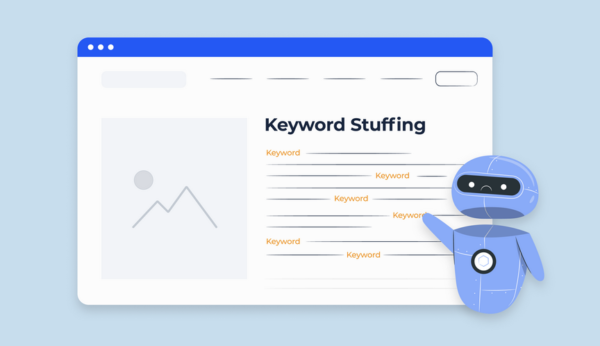
How It Affects SEO:
- Pages with forced keyword stuffing may get deindexed or penalized.
- Unnatural-sounding text decreases user experience, increasing bounce rates.
- Google prioritizes content written for humans, not just algorithms.
Example:
If AI generates a product description for “best wireless headphones,” it might write:
“These best wireless headphones are the best wireless headphones for music lovers looking for the best wireless headphones.”
This repetition is not natural and provides little value.
Solution:
- Focus on semantic SEO, using related keywords naturally.
- Read content aloud to ensure it sounds human-written.
- Use AI for keyword suggestions, but let humans fine-tune sentence structure.
-
Lack of E-E-A-T (Experience, Expertise, Authoritativeness, Trustworthiness)
Google prioritizes content from credible sources that demonstrate expertise and real-world experience. AI lacks the ability to provide unique perspectives or personal expertise.
How It Affects SEO:
- AI-generated content often lacks author attribution or real-life examples.
- Content without expert analysis, case studies, or research may not rank well.
- Google’s algorithms favor content that builds trust with users.
Example:
A blog post on “Best Digital Marketing Strategies” written by AI may lack insights from industry experts, case studies, or firsthand experience, making it less authoritative.
Solution:
- Have human authors add their insights, experience, and relevant examples.
- Cite credible sources, research papers, and expert opinions.
- Use AI to assist with structure, but ensure a human touch is added.
-
Duplicate & Thin Content Issues
AI tools often pull information from existing sources, leading to duplicated or thin content that lacks originality. Google penalizes websites with repetitive or copied content.
How It Affects SEO:
- Duplicate content can lead to ranking drops or deindexing.
- Thin content fails to engage users, decreasing time on page and increasing bounce rates.
Example:
An AI-generated blog on “Best WordPress Plugins” may pull the same information from multiple sources, making it nearly identical to competitor content.
Solution:
- Use AI as a drafting tool, not a copy-pasting tool.
- Add unique insights, data, and user experiences to differentiate content.
- Avoid auto-generating multiple pages with slightly different keyword variations.
-
Automated Link Building Risks
Some AI tools offer automated link-building services, but Google penalizes unnatural link- AI-powered tools can sometimes be used for automated link-building, but this can have severe negative consequences. Google’s algorithms have become increasingly sophisticated in detecting unnatural, spammy, or mass-generated backlinks, leading to severe penalties.
How It Affects SEO:
- Google penalizes low-quality backlinks that are generated automatically, considering them manipulative practices.
- Unnatural anchor text patterns—such as repetitive use of exact-match keywords—can signal spammy link-building activity.
- Toxic backlinks from spammy or irrelevant sources can reduce domain authority and trustworthiness.
Why This Is a Problem:
AI tools that automate link-building often generate backlinks from irrelevant websites, directories, or Private Blog Networks (PBNs). This approach violates Google’s link-building policies, leading to a potential manual action penalty or algorithmic devaluation of the site’s ranking.
Example:
A website negativeseoexpert.com, using AI to generate hundreds of backlinks from random blogs with similar anchor texts like “best SEO services” or “top digital marketing agency” might get flagged by Google as participating in a link scheme.
Solution:
- Build organic, high-quality backlinks by engaging in genuine outreach and guest posting.
- Use AI for link prospecting, not automated generation. AI can help identify potential guest blogging opportunities or industry-relevant backlink sources.
- Regularly audit backlink profiles using tools like Google Search Console, Ahrefs, or SEMrush to remove spammy or toxic links.
- Ensure contextual relevance—backlinks should come from authoritative websites within the same industry.
Best Practices for Ethical AI Link Building:
- Focus on relationship-based link building rather than automated solutions.
- Write high-quality guest posts and contribute to industry-leading blogs.
- Use AI for finding link-building opportunities, not mass-link generation.
- Regularly monitor backlinks and disavow harmful links.
-
Ignoring Search Intent
AI-generated content may focus on keywords but fail to match search intent. If your content doesn’t satisfy user needs, it won’t rank well.
How It Affects SEO:
- Misalignment with intent reduces rankings and user engagement.
- Google ranks pages based on how well they answer search queries.
Solution:
- Research user intent (informational, transactional, navigational, commercial).
- Ensure AI-generated content answers questions clearly and concisely.
- Over-Reliance on AI for Meta Tags & Schema Markup
AI can generate meta titles, descriptions, and schema markup, but if not reviewed, they can be misleading or duplicate other pages.
How It Affects SEO:
- Duplicate meta descriptions can harm click-through rates.
- Misleading structured data can lead to penalties.
Solution:
- Review AI-generated meta tags for accuracy and uniqueness.
- Optimize schema markup manually to ensure it aligns with Google’s guidelines.
-
AI-Generated Spam & Black Hat SEO Practices
Some AI tools can be misused for black-hat SEO, such as cloaking, doorway pages, and mass content spinning.
How It Affects SEO:
- Google deindexes sites using black-hat SEO tactics.
- AI-generated spam violates Google’s Spam Policy and Helpful Content Update.
Solution:
- Avoid auto-generating mass content just for ranking.
- Use AI ethically and follow Google’s webmaster guidelines.
How to Use AI for SEO Without Hurting Rankings
- Human Edit & Optimize: Always refine AI-generated content.
- Follow Google Guidelines: Align AI strategies with ranking policies.
- Prioritize Search Intent: Match content with user needs.
- Build E-E-A-T: Add expert opinions, case studies, and citations.
- Use AI as an Assistant, Not a Replacement: Let humans oversee final output.
Final Thoughts
AI can be a powerful tool for SEO, but over-relying on it can damage rankings, decrease user trust, and trigger Google penalties. The best approach is to use AI for assistance rather than full automation—ensuring all content meets Google’s quality standards and provides real value to users.