
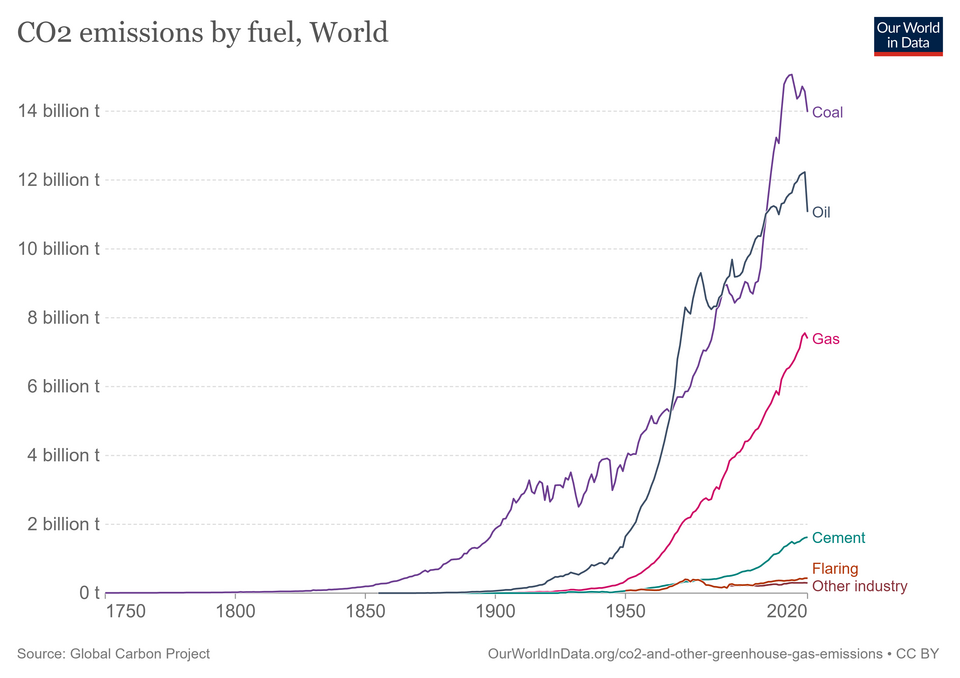
Every day, millions of commercial vehicles travel roads to deliver goods, provide services, and collect waste. While these operations keep businesses and cities running, they also consume significant amounts of fuel and contribute to greenhouse gas emissions. Even small inefficiencies, such as unnecessary stops, longer routes, or time spent in traffic, can add up to substantial costs over time.
Artificial intelligence is changing how fleets operate by making route planning more dynamic and data-driven. Instead of relying on fixed schedules or manual planning, AI systems continuously analyze information from multiple sources to recommend the most efficient routes. The result is lower fuel consumption, reduced emissions, and more productive fleet operations.
Why Traditional Route Planning Falls Short
Traditional route planning often depends on static maps, historical experience, or simple GPS navigation. While these methods can be effective in predictable situations, they struggle to adapt to real-world conditions that change throughout the day.
Traffic congestion, road closures, weather events, vehicle breakdowns, and last-minute service requests can quickly make a planned route inefficient. Drivers may spend extra time waiting in traffic, taking unnecessary detours, or travelling longer distances than required.
Another challenge is that traditional planning usually treats each vehicle independently. It rarely considers the entire fleet as a connected system where workloads, routes, and schedules can be adjusted in real time to improve overall efficiency.
These limitations increase fuel costs, reduce productivity, and create unnecessary carbon emissions.
How AI Optimizes Every Journey
AI-powered route optimization combines machine learning, location data, predictive analytics, and real-time information to make smarter routing decisions.
Instead of calculating only the shortest distance, modern AI systems evaluate multiple variables at once. These include current traffic conditions, average travel speeds, delivery priorities, driver schedules, vehicle capacity, and historical travel patterns.
Machine learning models continuously improve as they process more operational data. They learn which routes perform best at different times of the day, identify recurring bottlenecks, and predict where delays are most likely to occur.
Real-time GPS data also allows routes to be updated while vehicles are already on the road. If congestion develops unexpectedly or a new job is added to the schedule, the system can recommend an alternative route within seconds.
Many organizations also integrate telematics data into their AI platforms. Information such as engine performance, idle time, fuel consumption, and driver behaviour helps create even more accurate optimization models. Over time, these insights allow fleet managers to make better operational decisions while reducing unnecessary vehicle wear.
This technology is now used across industries including logistics, field services, public transportation, emergency response, and commercial waste management solutions, where efficient route planning directly affects operating costs and service quality.
Business and Environmental Benefits
The financial impact of AI route optimization is often immediate. Shorter travel distances and less idle time mean vehicles consume less fuel, one of the largest operating expenses for any fleet.
Businesses also benefit from improved vehicle utilization. Drivers can complete more jobs within the same working hours without increasing fleet size. This improves productivity while maintaining service quality.
Customers experience more reliable arrival times because routes automatically adapt to changing traffic conditions. Better scheduling also reduces missed appointments and unnecessary delays.
The environmental benefits are equally important. Lower fuel consumption directly reduces carbon dioxide emissions, helping organizations meet sustainability goals and comply with increasingly strict environmental standards.
Reducing unnecessary driving also decreases traffic congestion and lowers the overall environmental impact of transportation networks. For companies operating hundreds or even thousands of vehicles, these improvements can result in significant annual emission reductions.
Beyond operational efficiency, AI-generated routing data provides valuable business intelligence. Fleet managers can identify long-term trends, compare vehicle performance, monitor service efficiency, and make evidence-based decisions about future investments.
As AI models continue to improve, route optimization is becoming more predictive rather than reactive. Instead of responding to problems after they occur, systems can anticipate demand patterns, forecast congestion, and recommend proactive scheduling adjustments before delays happen.
Looking Ahead
AI route optimization is becoming a core component of intelligent transportation systems. Advances in machine learning, edge computing, connected vehicles, and Internet of Things (IoT) technology will make routing decisions even faster and more accurate in the coming years.
Future platforms will likely coordinate entire transportation networks instead of optimizing individual vehicles. Connected infrastructure, autonomous vehicles, and real-time environmental data will work together to improve traffic flow while reducing fuel use across cities and industries.
Organizations that adopt these technologies early will be better positioned to reduce operating costs, improve customer service, and support long-term sustainability goals.
As businesses continue to seek smarter ways to manage fleet operations, AI route optimization demonstrates how data-driven decision-making can deliver measurable financial and environmental benefits. It is no longer simply a tool for navigation but a strategic technology that helps organizations operate more efficiently while contributing to a cleaner and more sustainable future.