Scroll through any app today—chances are, you’ll hit play on a video within seconds. A lecture, a live match, a paid webinar, a premium series… it’s all just there. What’s less visible is the layer of protection working quietly behind the scenes to make sure that content doesn’t end up being copied, downloaded, or shared illegally.
That’s where Multi DRM comes in. It’s not flashy, and most users never notice it—but without it, a lot of online video streaming simply wouldn’t be sustainable.
Let’s break it down in a way that actually makes sense.
Why Video Security Became Such a Big Deal
A few years ago, streaming was mostly limited to desktops. Now, content is everywhere—phones, tablets, smart TVs, even gaming consoles. This shift forced video streaming platforms to think beyond just delivery. Protection became just as important as playback.
Here’s the issue: every device speaks a slightly different “language” when it comes to security.
- Android prefers Widevine
- Apple devices rely on FairPlay
- Microsoft systems use PlayReady
So if you’re running a global video streaming service, how do you protect content across all of them without breaking the viewing experience?
You can’t rely on just one system. That’s exactly why Multi DRM exists.
What Multi DRM Actually Means?
At its core, Multi DRM is a way to use multiple security systems together so your content stays protected on every device.
Instead of choosing one DRM technology and hoping it works everywhere, a multi drm solution combines several of them into one unified setup.
Think of it like this:
You’re not locking your house with one key—you’re using different locks for different doors, all managed from the same place.
This is why most modern digital rights management services are built around multi-DRM frameworks.
How Multi DRM Works Behind the Scenes
From a viewer’s perspective, streaming looks simple click and play. But under the hood, there’s a lot happening in just a few seconds.
Here’s a simplified version of the process:
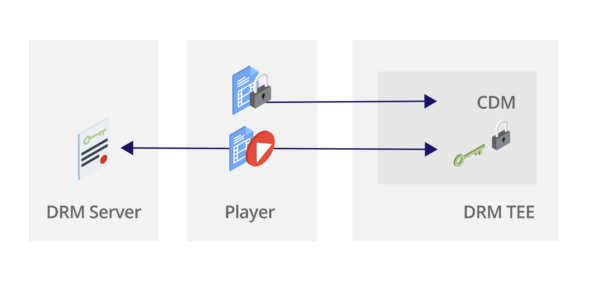
1. Content Gets Encrypted
Before a video is uploaded or streamed, it’s encrypted. That means even if someone intercepts the file, it’s useless without the right key.
2. DRM Systems Are Applied
The content is packaged in a way that supports different DRM technologies simultaneously.
3. License Request Happens
When someone presses play, their device sends a request for permission (a license).
4. Access Is Verified
If everything checks out, the system sends a secure license back.
5. Playback Begins
The video is decrypted just enough for that specific device to play it—nothing more.
All of this happens almost instantly. That’s the beauty of a well-implemented multi drm solution—it protects without slowing things down.
Why Single DRM Falls Short
It might seem easier to just pick one DRM system and stick with it. And for smaller or limited-use cases, that can work.
But for any serious online video streaming setup, it quickly becomes a problem.
Imagine this:
- Your content works perfectly on Android
- But fails on iPhones
- Or doesn’t play on certain browsers
Not exactly a great user experience.
This is where multi drm providers step in. They remove that friction by ensuring your content plays securely across all major platforms without compatibility issues.
Where Multi DRM Fits in Real-World Streaming
Let’s make this practical.
eLearning Platforms
Paid courses, recorded lectures, and certification content need protection. Without DRM, users could download and share entire courses.
OTT Platforms
Subscription-based content relies heavily on preventing piracy. Even a small leak can mean significant revenue loss.
Corporate Streaming
Internal training videos and confidential communications must stay within the organization.
Live Events
From sports to virtual events, real-time streaming needs both speed and security—especially when access is paid.
In all these cases, video streaming services depend on Multi DRM to keep content both accessible and secure.
The Role of Cloud and AWS Video Streaming
Security doesn’t exist in isolation it’s part of a larger system. This is where aws video streaming comes into play.
Cloud platforms handle:
- Video storage
- Encoding and transcoding
- Global delivery through CDNs
When combined with multi drm, this setup becomes incredibly powerful. You get both scale and protection.
For example:
A live stream hosted on AWS can be distributed worldwide, while DRM ensures only authorized viewers can watch it.
That balance—reach + security—is what modern video streaming platforms aim for.
What Good Multi DRM Providers Actually Offer
Not all multi drm providers are created equal. A reliable one usually takes care of more than just basic encryption.
Here’s what typically matters:
- Cross-device compatibility (no playback issues)
- Fast license delivery (no buffering delays)
- Scalable infrastructure (handles traffic spikes)
- Security updates (to stay ahead of piracy methods)
Some also include features like watermarking and analytics, which help track misuse and understand viewer behavior.
Challenges You Might Not Hear About
It’s not all smooth sailing.
Implementing Multi DRM comes with its own set of challenges:
- Integration complexity – It takes technical expertise to set things up properly
- Cost factors – Licensing and infrastructure can add up
- Testing effort – Every device and browser needs to be checked
- Evolving threats – Piracy methods keep changing
Still, for platforms serious about growth, skipping DRM isn’t really an option.
A Few Practical Tips for Better Video Security
If you’re working with online video streaming, a few simple practices can go a long way:
- Don’t rely on a single DRM system
- Combine DRM with token-based authentication
- Use watermarking for high-value content
- Monitor unusual viewing patterns
- Keep your system updated regularly
These aren’t complicated steps—but they make a noticeable difference.
Where Things Are Headed
Streaming isn’t slowing down anytime soon. If anything, it’s becoming more interactive, more global, and more competitive.
As that happens, content protection will only get more important.
We’re already seeing smarter approaches—AI-based monitoring, better encryption standards, and tighter integrations between cloud services and digital rights management services.
And right at the center of all this? Multi DRM.
Not because it’s trendy, but because it solves a very real problem in a very practical way.
Conclusion
Most viewers never think about what protects the videos they watch. And honestly, that’s how it should be. Security works best when it stays invisible. But for anyone running or managing video streaming platforms, it’s a different story.
Without a solid multi drm solution, content is exposed. Revenue is at risk. And user trust can disappear quickly.Getting Multi DRM right isn’t just a technical upgrade—it’s part of building a streaming experience that people can rely on, across any device, anywhere.