
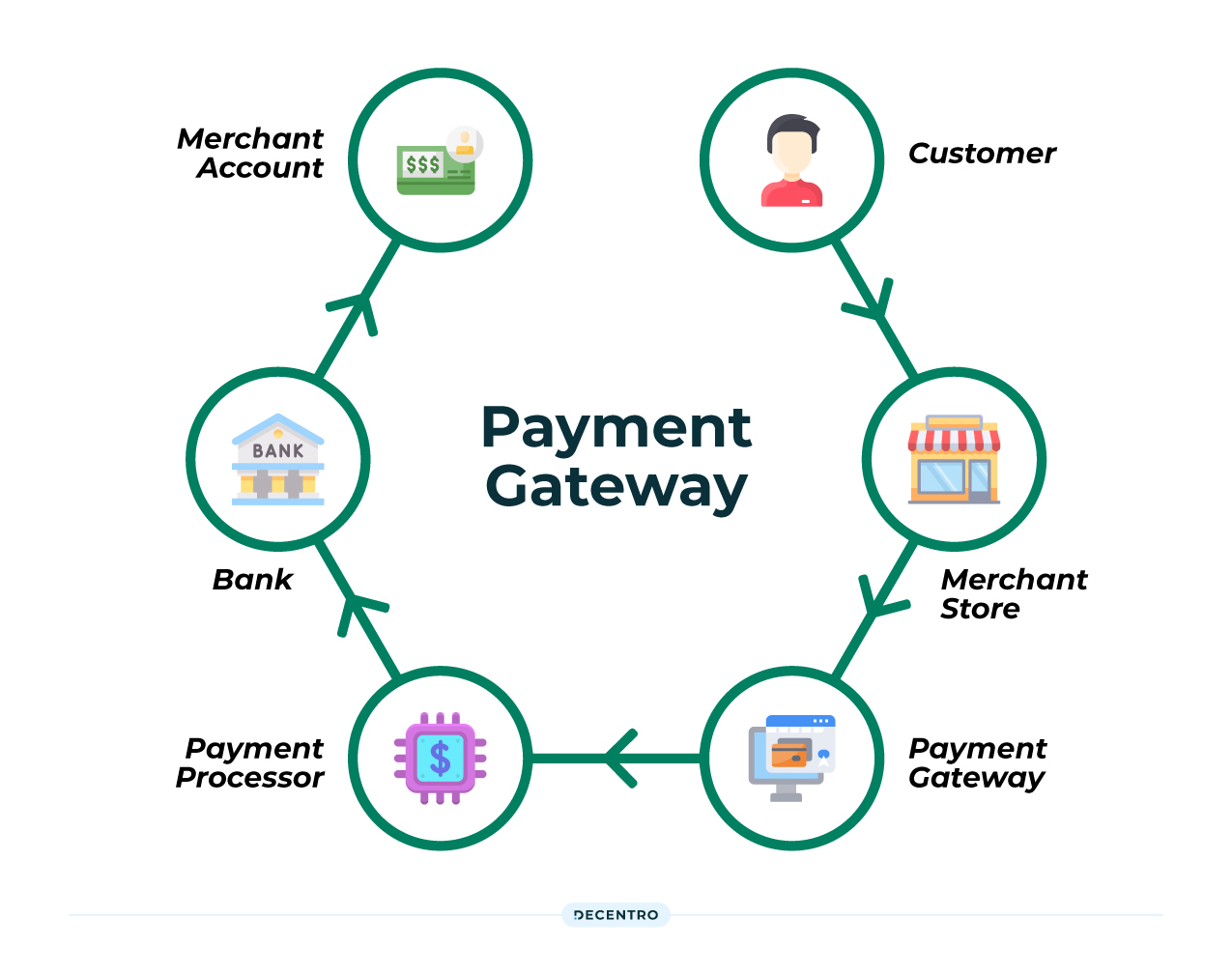
Digital transformation has reshaped how businesses operate, interact with customers, and process financial transactions. As digital platforms continue to evolve, payment infrastructure has become one of the most critical components of modern applications. Businesses developing mobile apps, SaaS platforms, marketplaces, fintech solutions, and eCommerce systems require payment systems that are fast, secure, scalable, and capable of handling large volumes of transactions.
Artificial Intelligence is rapidly becoming a central component of modern payment technology. AI-driven systems can analyze vast amounts of transaction data, detect patterns, automate financial processes, and enhance security mechanisms within payment networks. By embedding AI capabilities into payment systems, businesses can create intelligent financial infrastructures that optimize transaction efficiency and reduce operational complexity.
The integration of AI into payment platforms is not only improving transaction speed and security but also enabling businesses to deliver personalized and frictionless payment experiences to their users.
The Evolution of Payment Integrations in Digital Platforms
Payment systems have evolved significantly over the past two decades. Early digital payment solutions primarily focused on enabling online transactions through card-based networks and banking gateways. While these systems made online commerce possible, they often introduced challenges such as delayed transaction processing, higher fees, and complex authentication processes.
As digital ecosystems expanded, the need for more advanced payment infrastructures became evident. Modern payment platforms must support multiple payment methods, provide instant settlement capabilities, and integrate seamlessly with mobile-first applications.
AI has emerged as a key technology that addresses many of the limitations associated with traditional payment systems. Through machine learning algorithms, predictive analytics, and intelligent automation, AI can enhance the efficiency and reliability of digital payment infrastructures.
For businesses operating digital platforms, integrating AI into payment systems can significantly improve transaction performance and customer satisfaction.
Why AI Is Becoming Essential in Payment Technology
The increasing complexity of digital transactions has made AI-driven payment systems a necessity for modern applications. Payment infrastructures must process millions of transactions while ensuring security, accuracy, and efficiency.
AI technologies enable payment systems to operate more intelligently by analyzing transaction behavior in real time and making automated decisions that optimize financial workflows.
Some of the most important capabilities AI introduces to payment integrations include:
- Real-time fraud detection
- Intelligent payment routing
- Automated reconciliation processes
- Predictive payment failure detection
- Customer behavior analysis
- Transaction pattern recognition
These capabilities allow businesses to build payment infrastructures that are not only secure but also capable of adapting to evolving financial environments.
AI-Powered Fraud Detection and Risk Management
One of the most significant advantages of AI-driven payment systems is the ability to detect fraudulent transactions in real time. Traditional fraud detection systems often rely on static rule-based models that may fail to identify complex fraud patterns.
AI-powered fraud detection systems analyze historical transaction data and user behavior to identify anomalies that may indicate suspicious activity. Machine learning models continuously improve their accuracy as they process more data.
AI-based fraud detection systems can perform tasks such as:
- Monitoring transaction patterns across multiple accounts
- Detecting unusual payment behaviors
- Identifying high-risk transactions
- Flagging potential fraud attempts before they occur
These capabilities allow businesses to protect their platforms from financial fraud while minimizing false transaction declines.
Intelligent Payment Routing and Transaction Optimization
AI can also optimize how payments are processed within digital platforms. Payment routing systems determine which payment gateway or processing channel should handle a specific transaction.
In traditional systems, routing decisions may be based on fixed rules or static configurations. AI-driven payment routing systems, however, analyze real-time network performance and transaction success rates to determine the most efficient processing path.
Benefits of intelligent payment routing include:
- Higher transaction success rates
- Reduced payment processing delays
- Lower operational costs
- Improved checkout experiences for users
For high-volume digital platforms, these improvements can significantly enhance overall payment performance.
AI-Driven Customer Payment Experiences
AI is not only improving the backend infrastructure of payment systems but also enhancing customer-facing payment experiences. Digital platforms increasingly rely on AI to personalize financial interactions and simplify payment processes.
AI can analyze user behavior and transaction history to offer personalized payment recommendations and optimize checkout workflows.
Examples of AI-driven payment experiences include:
- Smart checkout suggestions
- Personalized payment method recommendations
- Automated subscription billing optimization
- Intelligent payment reminders
These capabilities allow businesses to deliver more intuitive payment experiences that align with user preferences.
AI and Real-Time Payment Systems
The rise of real-time payment technologies has further accelerated the adoption of AI within payment ecosystems. Real-time payment infrastructures allow funds to move instantly between bank accounts, enabling faster and more efficient financial transactions.
AI enhances real-time payment systems by monitoring transaction performance, identifying network bottlenecks, and optimizing payment workflows.
Many businesses developing digital platforms are now exploring UPI integration for mobile and web apps to enable instant payment capabilities within their applications. When combined with AI-driven analytics and automation, real-time payment systems can deliver highly efficient transaction infrastructures for modern businesses.
Real-time payment integration allows businesses to:
- Process instant payments
- Improve cash flow management
- Reduce payment delays
- Enhance customer trust in digital platforms
AI-Enabled Payment Analytics and Business Insights
Another major advantage of AI in payment integrations is its ability to generate actionable insights from transaction data. Payment systems produce vast amounts of data that can reveal valuable information about user behavior, purchasing trends, and financial performance.
AI-powered analytics tools can analyze this data to provide insights such as:
- Customer spending patterns
- Payment method preferences
- Transaction success and failure rates
- Revenue trends across digital platforms
Businesses can use these insights to refine their payment strategies, optimize pricing models, and improve overall platform performance.
Building Intelligent Fintech Infrastructure
As payment ecosystems continue to evolve, businesses are increasingly integrating AI capabilities directly into their fintech infrastructures. Intelligent financial platforms can automate complex processes such as payment reconciliation, financial reporting, and transaction monitoring.
AI-driven fintech systems allow businesses to build payment infrastructures that scale efficiently while minimizing manual intervention.
Some key components of intelligent payment infrastructures include:
- Automated payment reconciliation systems
- AI-driven fraud monitoring platforms
- Smart financial reporting tools
- Predictive transaction analysis engines
These technologies enable businesses to manage complex financial operations more effectively.
The Role of Developers in AI-Powered Payment Integration
Developers play a crucial role in implementing AI-powered payment systems within digital platforms. Integrating AI capabilities into payment infrastructures requires expertise in machine learning frameworks, API integration, and fintech architecture design.
Development teams must ensure that payment systems remain secure, scalable, and compliant with financial regulations while incorporating AI-driven features.
Key technical considerations for AI-powered payment integration include:
- Secure API integration with payment gateways
- Implementation of machine learning models for transaction monitoring
- Data encryption and compliance with financial security standards
- Scalable architecture capable of handling large transaction volumes
By designing robust payment infrastructures, developers can help businesses deliver reliable financial services within their applications.
Future Trends in AI and Payment Technology
The intersection of AI and payment technology is expected to produce several innovations in the coming years. As digital commerce continues to expand globally, intelligent payment systems will become increasingly essential for businesses operating online platforms.
Emerging trends in AI-driven payment systems include:
- Autonomous financial transaction processing
- Voice-enabled payment interfaces
- AI-powered financial assistants within apps
- Predictive transaction risk analysis
- Intelligent cross-border payment routing
These developments will further transform how businesses process and manage digital transactions.
Conclusion
Artificial Intelligence is fundamentally transforming how payment integrations function within modern mobile and web applications. By enabling intelligent transaction monitoring, automated financial processes, and advanced fraud detection mechanisms, AI is helping businesses build smarter and more efficient payment infrastructures.
When combined with real-time payment technologies, AI-driven payment systems offer powerful advantages for digital platforms. Businesses can process transactions faster, improve security, reduce operational costs, and deliver seamless financial experiences to their users.
As digital commerce continues to grow, companies that invest in intelligent payment infrastructures will be better positioned to compete in the evolving fintech landscape. By integrating AI technologies alongside modern payment frameworks such as UPI integration for mobile and web apps, businesses can create scalable and future-ready digital platforms capable of supporting the next generation of financial innovation.