
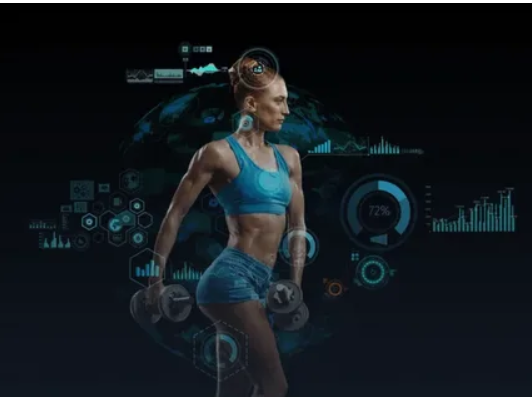
Artificial intelligence has become one of the most influential technologies shaping modern health and wellness. What was once limited to fitness trackers counting daily steps has evolved into intelligent systems capable of analyzing exercise performance, predicting recovery needs, and providing personalized coaching based on real-time data. Instead of relying solely on discipline or generic workout plans, people can now make decisions supported by machine learning algorithms that continuously adapt to their individual goals and behaviors.
The growing relationship between AI and fitness demonstrates how data science can improve everyday life. By collecting information from wearable devices, mobile applications, and health platforms, AI helps individuals understand their habits, identify opportunities for improvement, and maintain motivation over the long term. This combination of technology and behavioral science is transforming fitness from a one-size-fits-all approach into a personalized journey.
AI and the Science of Healthy Habits
One of the greatest challenges in fitness is maintaining consistency. Many people begin exercise programs with enthusiasm but gradually lose motivation after a few weeks. Artificial intelligence addresses this problem by studying behavioral patterns rather than focusing only on physical performance.
Machine learning models analyze millions of anonymous health records to determine which habits contribute to long-term success. Variables such as workout frequency, sleep quality, nutrition, stress levels, and recovery are combined to generate personalized recommendations. Instead of suggesting the same routine for everyone, AI creates adaptive plans that evolve with each user’s progress.
This personalized approach increases engagement because recommendations remain realistic and achievable. Small improvements accumulated over time often produce better results than intense but unsustainable training programs.
Personalized Coaching Powered by AI
Traditional fitness programs typically follow standardized routines designed for large groups of people. AI has introduced a completely different model by creating individualized coaching experiences.
Modern fitness applications evaluate previous workouts, monitor recovery, estimate fatigue, and adjust future exercise sessions accordingly. If a user experiences poor sleep or elevated stress, the system may recommend lighter activities or additional recovery time. Conversely, when recovery indicators are strong, workouts may become more challenging to maximize progress.
This level of personalization allows users to improve safely while reducing the likelihood of burnout or injury. As more data becomes available, AI continuously refines its recommendations, making digital coaching increasingly accurate.
Making Exercise More Enjoyable Through Intelligent Recommendations
Behavioral scientists have long recognized that enjoyment plays a significant role in maintaining healthy habits. Artificial intelligence now helps identify which activities users enjoy most by analyzing participation rates, workout duration, heart rate responses, and consistency.
Rather than encouraging repetitive routines, AI can recommend alternative activities that align with personal preferences while still achieving fitness goals.
For example, many people are discovering the benefits of using a trampoline for cardiovascular exercise. Unlike traditional running, rebounding provides a low-impact workout that reduces stress on the joints while improving coordination, balance, and endurance. AI-powered fitness platforms can monitor workout intensity, estimate calorie expenditure, and recommend progressive routines based on previous performance, making exercise both effective and enjoyable.
Small Equipment Supported by Smart Technology
Not everyone has access to a fully equipped gym, but advances in both fitness equipment and artificial intelligence have made home workouts far more effective than ever before.
A mini trampoline offers an excellent solution for individuals with limited workout space. When combined with AI-powered coaching applications, users receive personalized guidance based on exercise duration, movement quality, recovery metrics, and performance trends. Instead of following generic online videos, they benefit from recommendations tailored specifically to their abilities and fitness objectives.
Computer vision technologies are also beginning to analyze exercise posture using smartphone cameras, helping users improve technique without requiring an in-person trainer.
Wearable Technology Generates Actionable Insights
Wearable devices have evolved far beyond simple step counters. Modern smartwatches and fitness bands collect extensive physiological data throughout the day.
Artificial intelligence processes information such as:
- Heart rate variability
- Blood oxygen levels
- Sleep quality
- Daily movement
- Exercise intensity
- Recovery status
- Stress indicators
- Calorie expenditure
Instead of displaying raw numbers, AI converts these measurements into practical recommendations. Users receive suggestions regarding hydration, recovery, workout intensity, and even optimal training times based on their personal biological patterns.
This continuous monitoring allows individuals to make proactive decisions that improve both short-term performance and long-term health.
Predictive Analytics Reduces Injury Risk
One of the most promising applications of AI in fitness involves injury prevention.
Machine learning algorithms identify subtle changes in performance that may indicate fatigue or overtraining before symptoms become obvious. By analyzing movement patterns, recovery history, and training intensity, AI systems can predict elevated injury risk and recommend modifications to workout routines.
This predictive capability benefits both recreational exercisers and professional athletes by extending training longevity while minimizing unnecessary setbacks.
AI and Consumer Behavior in Wellness
Artificial intelligence influences wellness beyond exercise itself. Companies increasingly rely on predictive analytics to understand how consumers make purchasing decisions related to fitness, nutrition, and lifestyle products.
Recommendation engines analyze browsing history, customer preferences, purchasing behavior, and engagement patterns to present products that are most relevant to individual users. This personalized shopping experience saves time while increasing customer satisfaction.
Rather than offering identical recommendations to every visitor, AI helps businesses understand individual preferences and deliver highly customized experiences that encourage informed purchasing decisions.
Wearable Innovation and the Future of Smart Accessories
Wearable technology has become one of the fastest-growing segments of the consumer electronics industry. Today’s smart accessories are capable of collecting valuable health information while seamlessly integrating into everyday life. Artificial intelligence processes this data to provide meaningful insights instead of overwhelming users with numbers.
Many consumers also appreciate traditional craftsmanship alongside modern innovation. Brands such as Tissot watches have built their reputation on precision engineering and timeless design. While classic timepieces emphasize reliability and elegance, the broader wearable industry demonstrates how technology and sophisticated design can complement one another. As AI continues to evolve, manufacturers are finding new ways to combine style with intelligent features that support healthier lifestyles.
AI Personalization in Retail and Lifestyle Brands
Artificial intelligence is transforming not only how people exercise but also how they shop. Recommendation engines powered by machine learning analyze customer preferences, browsing behavior, purchase history, and product reviews to create highly personalized shopping experiences.
Instead of presenting every visitor with the same collection of products, AI identifies individual interests and suggests items that match personal tastes and previous interactions. This level of personalization improves customer satisfaction while helping shoppers discover products that genuinely reflect their style and needs.
This trend is evident across many lifestyle brands, including Pandora, where personalization has become an important part of the customer experience. AI-powered recommendation systems can suggest collections that align with seasonal trends, previous purchases, or individual preferences, creating a more engaging and meaningful shopping journey.
Generative AI Is Reshaping Personal Fitness
Generative AI is introducing a new generation of virtual fitness assistants capable of delivering highly personalized guidance. Unlike traditional workout applications that rely on fixed programs, AI-powered assistants can create customized exercise plans within seconds based on individual goals, fitness levels, available equipment, and daily schedules.
These intelligent systems can also answer health-related questions, explain exercise techniques, recommend recovery strategies, and adjust future workouts as users make progress. By learning from ongoing interactions, generative AI creates a coaching experience that becomes more accurate over time.
For individuals who may not have access to personal trainers, this technology offers an affordable and convenient alternative without sacrificing personalization.
Computer Vision Is Improving Exercise Technique
Artificial intelligence is also advancing through computer vision technology. Using smartphone cameras or connected devices, AI can analyze body movement during exercise and provide immediate feedback on posture, alignment, and movement quality.
This technology helps reduce common training mistakes by identifying improper form before it leads to discomfort or injury. Beginners benefit from real-time guidance, while experienced athletes can refine their technique using objective performance analysis.
As computer vision becomes more sophisticated, remote fitness coaching will continue to improve, making expert guidance accessible to a broader audience.
Ethical AI and Health Data Privacy
While AI offers significant advantages in health and wellness, responsible data management remains essential. Fitness platforms collect sensitive information, including activity levels, heart rate, sleep patterns, and other personal health metrics.
Developers and healthcare providers must ensure that this information is protected through strong security measures, transparent privacy policies, and ethical AI practices. Users should also understand how their data is collected, stored, and used to generate recommendations.
Building trust through responsible AI development is critical to ensuring that intelligent health technologies continue to benefit individuals without compromising their privacy.
The Future of AI in Wellness
The future of AI in fitness extends far beyond today’s wearable devices. Researchers are developing systems capable of predicting long-term health risks, detecting early signs of chronic conditions, and creating even more personalized wellness strategies.
Future AI platforms may integrate data from wearable sensors, medical records, nutritional habits, environmental conditions, and genetic information to provide comprehensive health recommendations. Rather than reacting to illness, these systems will increasingly focus on prevention, helping individuals maintain healthier lifestyles through continuous monitoring and predictive analytics.
As AI becomes more accurate and accessible, personalized wellness will become available to people of all ages and fitness levels, making healthy living more achievable than ever before.
Final Thoughts
Artificial intelligence is transforming fitness by combining data science, behavioral psychology, and smart technology into personalized wellness experiences. From adaptive workout plans and predictive injury prevention to intelligent wearable devices and personalized retail experiences, AI is helping individuals make better decisions every day.
The future of health is no longer based on generic advice but on intelligent systems that learn, adapt, and evolve with each user. By embracing AI-powered tools while maintaining consistent healthy habits, individuals can build sustainable routines that improve physical health, mental well-being, and overall quality of life. As innovation continues, artificial intelligence will remain at the center of a smarter, more connected approach to lifelong wellness.