
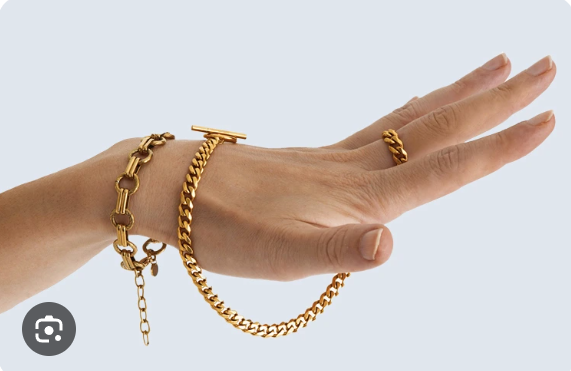
How AI Helps Detect Fake or Gold-Plated Jewelry Before You Sell
You find an old ring in a drawer and wonder if it’s worth anything. Before you sell it, you need to know: is it real gold? It’s not always easy to tell. Gold-plated and fake pieces can look almost identical to solid gold. And as gold prices have climbed, more fakes have shown up in the resale market. That’s where AI is starting to help. New tools can read hallmarks from a photo, flag signs of wear that reveal base metal, and speed up lab tests that measure metal content. They’re not perfect, and they don’t replace a proper test. But they can help you spot problems early and avoid a low offer. This guide explains how AI detection works, what it can and can’t do, and simple checks you can do at home. It also covers how to estimate your gold’s value before you walk into a buyer’s shop.
Why Knowing What You Have Matters
When you sell gold, the price depends on two things: how much it weighs and how pure it is. A solid 14K chain and a gold-plated brass chain can look the same. But one is worth real money, and the other is worth very little as scrap.
Not knowing what you have can cost you in a few ways:
- You may accept a low offer on real gold because you assumed it was fake.
- You may expect a big payout for a plated piece and feel cheated when a buyer turns it down.
- You may waste trips to several shops without a clear idea of value.
- If you sell online, you could face returns or disputes if a piece isn’t what you listed.
A little testing before you sell puts you in a stronger position. You’ll know what to expect and when an offer is fair.
Solid, Plated, or Filled: Know the Difference
Not all “gold” jewelry is the same. There are three main types:
- Solid gold: gold mixed with other metals all the way through. Purity is measured in karats.
- Gold-plated: a very thin layer of gold over a base metal like brass or copper. It has little scrap value.
- Gold-filled: a thicker layer of gold bonded to a base metal. It has more gold than plating but far less than solid gold.
Most pieces carry a small stamp, usually inside a ring band or near a clasp. Here’s what common stamps mean:
| Stamp | What it means |
|---|---|
| 24K or 999 | About 99.9% pure gold |
| 18K or 750 | 75% gold |
| 14K or 585 | 58.5% gold |
| 10K or 417 | 41.7% gold |
| GP, GE, or HGE | Gold-plated or electroplated |
| GF or 1/20 12K GF | Gold-filled |
| RGP | Rolled gold plate |
| 925 with a gold color | Gold-plated sterling silver (vermeil) |
Keep in mind that stamps can be faked. A “14K” mark on a cheap piece proves nothing on its own.
How AI Spots Fake and Plated Jewelry
AI doesn’t use magic. It looks for patterns faster and more consistently than the human eye. Here’s where it’s being used today.
Reading hallmarks from photos. Some apps and online tools use image recognition to read tiny stamps from a close-up photo. They can tell you what a mark means and flag stamps linked to plating, like GP or HGE. Some also flag marks that look off, such as uneven letters or a stamp in an odd spot.
Checking wear and color. Plated jewelry often wears through at edges, clasps, and the inside of rings. AI image tools can spot small patches where a different color shows through, or tarnish patterns that solid gold doesn’t usually get.
Speeding up lab-grade tests. Many jewelers and gold buyers now use XRF analyzers. These handheld devices measure the metals in a piece without damaging it. Newer models use software and machine learning to read the results faster and flag readings that suggest a thin gold layer over another metal.
Screening resale listings. Some online marketplaces use AI to scan listing photos and descriptions for signs of fake or misdescribed jewelry before it reaches buyers.
What AI Can’t Do (Yet)
AI tools are useful, but they have real limits. Be honest with yourself about what a phone app can tell you.
- A photo can’t measure purity. An app can read a stamp or spot wear. It can’t tell you what metal is inside the piece.
- Good fakes still fool cameras. Heavy plating on a new piece may show no wear at all.
- Lighting and photo quality matter. Blurry or dark photos lead to wrong reads.
- Surface tests miss what’s underneath. Even XRF mostly reads the outer layer. Thick plating can sometimes give a misleading result without further testing.
So think of AI as a first screen, not the final word. It tells you which pieces deserve a closer look and which are likely plated. A trained buyer with proper testing tools should confirm the result before any money changes hands.
Simple Checks to Pair With AI Tools
You can rule out many fakes at home before you use any app. None of these tests are perfect alone, but together they give you a good first picture.
- Look for a stamp. Use a magnifying glass or your phone’s zoom. No stamp doesn’t always mean fake, especially on older pieces, but it’s worth noting.
- Try a magnet. Gold isn’t magnetic. If a strong magnet pulls hard on the piece, it likely has a lot of iron or nickel. Just know that many fake metals aren’t magnetic either, so passing this test proves little.
- Check for wear. Look closely at edges, clasps, and the inside of rings. A different color showing through is a strong sign of plating.
- Check the skin. If a piece leaves green or black marks on your skin, it likely contains base metal.
- Feel the weight. Solid gold is heavy for its size. A piece that feels light may be hollow or plated.
Avoid scratch or acid tests at home. They can damage jewelry and lower what a buyer will pay. Leave those to a professional.
Estimate Your Gold’s Value Before You Sell
Once you’re fairly sure a piece is real, figure out roughly what it’s worth. That way, you’ll know a fair offer when you hear one.
You need three things:
- Weight. Use a small digital kitchen or jewelry scale that reads in grams.
- Karat. Take this from the stamp or a professional test.
- Today’s gold price. Gold prices change every day, so check on the day you plan to sell.
Then plug those numbers into a Scrap Gold Calculator. It works out the melt value of your piece based on its weight, purity, and the current gold price. That number is your starting point.
Keep in mind that buyers don’t pay full melt value. They need to cover refining costs and make a profit. Still, knowing the melt value helps you compare offers and walk away from ones that are far too low.
Tips for Selling Your Gold Safely
AI and home checks get you ready. These steps help you close a fair deal.
- Sort your pieces by karat. Buyers often lump everything together at the lowest purity if you don’t separate it.
- Weigh items yourself first. Then watch the buyer weigh them on a scale you can see.
- Ask how they test. XRF or electronic testing is non-destructive. Acid testing should be done on a hidden spot.
- Get more than one quote. Offers can vary a lot between buyers.
- Check reviews and licensing. Many states require gold buyers to be licensed.
- Don’t rush. A buyer who pressures you to decide on the spot is a red flag.
- Keep pieces with extra value separate. Designer, antique, or gemstone jewelry may be worth more as jewelry than as scrap.
Final Thoughts
AI is making it easier to sort real gold from plated and fake pieces. Apps can read stamps and spot wear. Smarter testing tools give buyers faster, more accurate results. But no app can fully confirm what’s inside a piece of jewelry from a photo alone.
The best approach mixes all three: quick home checks, AI tools as a first screen, and professional testing before you sell. Add a value estimate based on weight, karat, and today’s gold price, and you’ll walk in knowing what your jewelry is worth and what a fair offer looks like.