
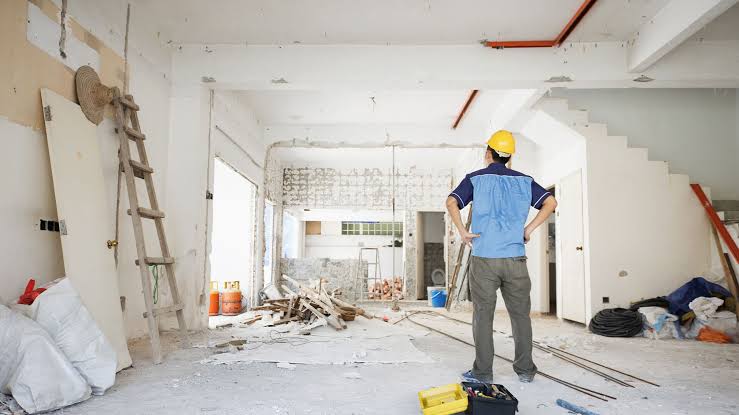
For decades, home renovation decisions were driven largely by instinct.
A homeowner might replace a kitchen because it felt outdated, install new windows after noticing a draft, or remodel a bathroom simply because styles had changed. While those motivations still exist, a growing number of homeowners are taking a more analytical approach before committing to major projects.
Instead of asking, “What do I want to renovate next?” they’re increasingly asking, “What does the data tell me?”
From utility bills and weather records to smart home devices and online cost databases, homeowners have access to more information than ever before. That data is changing not only what people renovate, but also when and why they decide to do it.
Renovation Planning Has Become More Evidence-Based
Planning a renovation once meant collecting magazine clippings or walking through a home improvement store.
Today, many homeowners begin by researching historical project costs, comparing regional labor trends, reading permit data, analyzing neighborhood property values, and reviewing energy consumption.
This shift allows people to make decisions based on measurable information rather than assumptions.
For example, someone considering new windows may compare several years of heating and cooling costs before deciding whether the potential energy savings justify the investment. Another homeowner may review local weather patterns to determine whether replacing an aging roof before another hurricane season is the wiser choice.
The renovation itself hasn’t changed nearly as much as the planning process behind it.
Smart Homes Are Producing Useful Information
Connected devices have quietly become valuable maintenance tools.
Smart thermostats reveal heating and cooling patterns. Water sensors can detect small leaks before they become expensive repairs. Electrical monitoring systems identify unusual power consumption, while humidity sensors help homeowners recognize moisture problems that might otherwise go unnoticed.
Each device contributes another piece of information about how a home performs over time.
Rather than reacting after something breaks, homeowners are beginning to identify trends that suggest when maintenance or replacement may soon be necessary.
Data Helps Prioritize Projects
One of the biggest challenges in homeownership isn’t deciding whether improvements are needed. It’s deciding which ones should happen first.
Data makes those decisions easier.
An HVAC system that requires increasingly frequent repairs, combined with rising energy bills, may deserve attention before replacing perfectly functional kitchen cabinets. Likewise, recurring moisture readings around windows may indicate that exterior improvements should take priority over cosmetic upgrades.
By looking at measurable information instead of isolated problems, homeowners can often build a renovation plan that addresses the greatest risks first.
Weather Records Are Becoming Part of the Conversation
Climate data is influencing home improvement decisions in ways that were uncommon only a decade ago.
Homeowners in coastal regions are paying closer attention to wind exposure and hurricane history. In colder climates, repeated freeze-thaw cycles may influence decisions about roofing, siding, or masonry. Areas experiencing prolonged periods of extreme heat are seeing increased interest in insulation, ventilation, and energy-efficient windows.
Historical weather data helps homeowners understand not only what has happened to their property, but also what may happen in the future.
Public Records Provide Valuable Insight
Local building permits, tax assessments, and property records offer another layer of information.
Homeowners researching a remodel often review comparable projects completed nearby, investigate the age of existing systems, or learn which improvements have become common within their neighborhood.
This information doesn’t determine whether a renovation is worthwhile, but it provides useful context when deciding how to invest in a property.
The Rise of the Long-Term Renovation Plan
Many homeowners are moving away from making isolated renovation decisions.
Instead, they’re creating multi-year improvement plans that account for expected maintenance, changing family needs, and anticipated replacement cycles for major systems.
That approach makes it easier to coordinate projects, avoid unnecessary rework, and spread improvements over time without losing sight of long-term goals.
A home becomes less of a collection of individual projects and more of an evolving investment.
Information Is Only Part of the Decision
Data can reveal patterns, estimate costs, and identify priorities, but it cannot replace professional expertise.
Contractors, architects, inspectors, and engineers still play an essential role in evaluating site conditions, recommending solutions, and identifying issues that numbers alone cannot capture.
The strongest renovation decisions typically combine reliable information with experienced professional guidance.
Better Planning Extends Beyond Construction
Collecting information doesn’t stop once a homeowner decides what to renovate.
Many people also spend time understanding permits, contractor qualifications, expected timelines, warranties, and the financial considerations associated with larger projects. As part of that broader planning process, some homeowners explore educational resources about contractor financing before moving forward with major improvements. One example is: https://www.pashafunding.com/.
A Smarter Way to Improve a Home
Technology has given homeowners access to information that was once difficult to obtain.
Energy usage, maintenance history, weather trends, property records, and smart home devices all contribute to a clearer picture of how a house is performing and where future investments may have the greatest impact.
Renovation decisions will always involve personal preferences, but they’re increasingly supported by something that was once missing from the process: meaningful data. As that trend continues, homeowners are likely to spend less time guessing and more time planning strategically.