
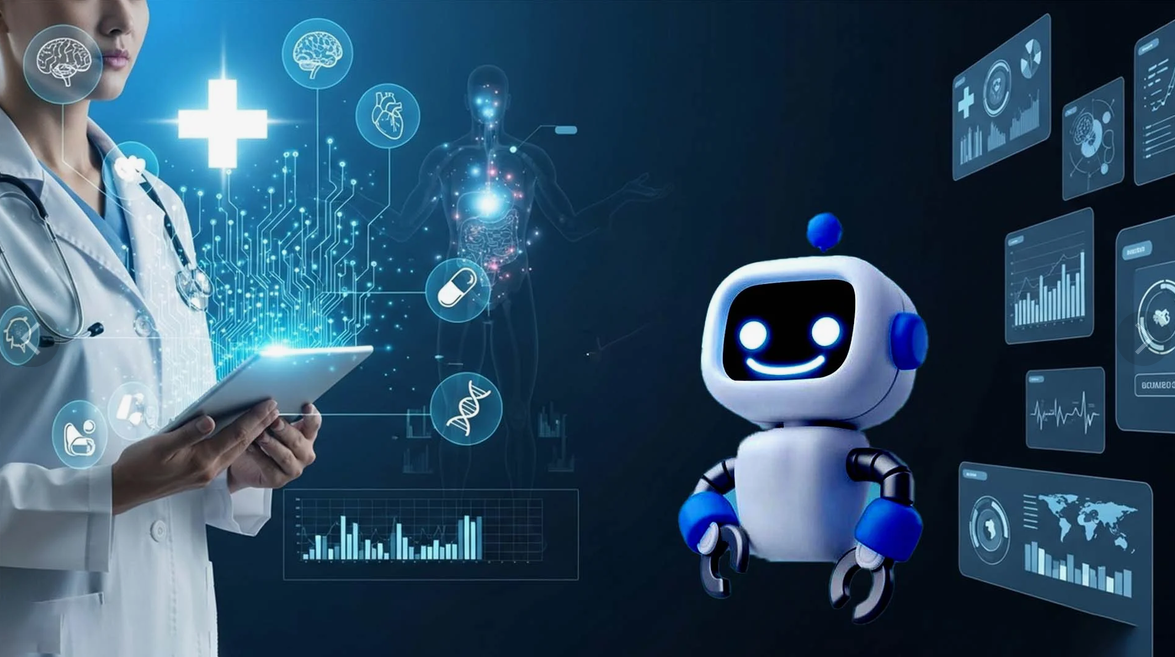
Healthcare has changed a lot over the last few years. If you’ve ever spent ages waiting for a doctor’s appointment or struggled to keep track of medications, you’re definitely not alone. The good news? Artificial intelligence is quietly stepping in to make these everyday problems a little less frustrating.
Health virtual assistants are becoming one of the biggest changes in modern healthcare. They aren’t here to replace doctors or nurses. Instead, they’re helping healthcare professionals spend more time with patients while handling routine tasks behind the scenes. Honestly, that’s something both patients and providers can appreciate.
Let’s take a closer look at how AI-powered health virtual assistants are reshaping patient care in 2026 and why this technology is getting so much attention.
What Are Health Virtual Assistants?
Think of a health virtual assistant as a digital healthcare companion powered by artificial intelligence. These assistants can communicate through mobile apps, hospital websites, smart speakers, or messaging platforms.
Depending on the system, they can help with things like:
- Scheduling appointments
- Sending medication reminders
- Answering common medical questions
- Tracking symptoms
- Providing personalized health recommendations
- Helping patients prepare for doctor visits
Instead of searching the internet and ending up confused by conflicting information, patients can receive guidance that’s connected to trusted healthcare systems.
AI Is Making Patient Care More Personal
One thing people often complain about is that healthcare sometimes feels…well, impersonal. AI is helping change that.
Modern health virtual assistants learn from patient preferences, medical history, and previous interactions to provide more personalized support.
For example, someone managing diabetes might receive:
- Daily blood sugar reminders
- Healthy meal suggestions
- Exercise recommendations
- Alerts when it’s time for a checkup
A patient recovering from surgery may receive customized recovery instructions instead of generic advice.
This doesn’t replace medical professionals—it simply makes staying on track much easier.
Helping Doctors Save Time Without Losing Quality
Healthcare workers already have enough on their plates. Administrative work often takes away valuable time they could spend with patients. For people preparing for careers in healthcare, understanding how technology fits into patient support can also be valuable when studying a health and social care course.
Health virtual assistants now handle many repetitive tasks, including:
- Collecting patient information before appointments
- Managing appointment confirmations
- Sending follow-up messages
- Answering frequently asked questions
- Updating patient records automatically
The result?
Doctors can focus more on diagnosis, treatment, and meaningful conversations instead of paperwork. That’s a win for everyone involved.
Better Support for Everyday Health
Not every health concern requires an immediate visit to the clinic. Sometimes people simply need quick answers or reassurance.
AI assistants are becoming available 24/7, allowing patients to:
- Check common symptoms
- Find nearby healthcare services
- Receive wellness tips
- Monitor chronic conditions
- Stay informed between doctor visits
Many healthcare organizations are even introducing specialized tools like a Mental health Virtual Assistant to provide emotional wellness check-ins, stress management exercises, and guidance toward professional support whenever needed.
It’s not therapy, of course, but it can make mental healthcare more accessible for many people who might otherwise hesitate to seek help.
The Future Looks Even Smarter
AI technology isn’t slowing down anytime soon.
In 2026, we’re seeing health virtual assistants integrate with wearable devices, smartwatches, fitness trackers, and even home medical equipment.
Imagine your smartwatch notices an irregular heart rhythm.
Instead of waiting until something feels seriously wrong, your virtual assistant could:
- Notify you immediately
- Recommend contacting your physician
- Share relevant health data with your healthcare provider
- Help schedule an appointment automatically
That kind of proactive care has the potential to improve outcomes and reduce unnecessary hospital visits.
Of course, privacy and data security remain incredibly important. Healthcare providers continue investing in stronger encryption and strict compliance standards to protect sensitive patient information.
Why Health Virtual Assistants Matter More Than Ever
Healthcare isn’t getting simpler. Populations are growing older, chronic diseases are increasing, and medical professionals continue facing heavy workloads.
Health virtual assistants help bridge that gap by improving communication, increasing efficiency, and making healthcare more convenient.
Patients benefit from:
- Faster access to healthcare information
- Better medication adherence
- More personalized support
- Reduced waiting times
- Improved engagement with their own health
Healthcare providers benefit from streamlined workflows and more time for direct patient care.
AI isn’t replacing the human side of medicine, it’s supporting it. And honestly, that’s probably the best role technology can play.
Frequently Asked Questions
Are health virtual assistants replacing doctors?
No. They assist healthcare professionals by managing routine tasks and providing general health support. Medical diagnosis and treatment decisions still belong to qualified healthcare providers.
Are AI health assistants safe to use?
When developed by trusted healthcare organizations and following privacy regulations, health virtual assistants are designed with strong security measures to protect patient information.
Can virtual assistants help manage chronic diseases?
Yes. Many AI-powered assistants support patients with ongoing conditions by offering medication reminders, symptom tracking, wellness recommendations, and appointment management.
Final Thoughts
Health virtual assistants have moved beyond being just another tech trend. They’re becoming valuable tools that make healthcare more efficient, more personalized, and easier to access for millions of people.
As AI continues to evolve, the relationship between patients and healthcare providers will likely become even stronger through smarter digital support. The future of patient care isn’t about replacing people—it’s about giving them better tools to deliver exceptional care.