
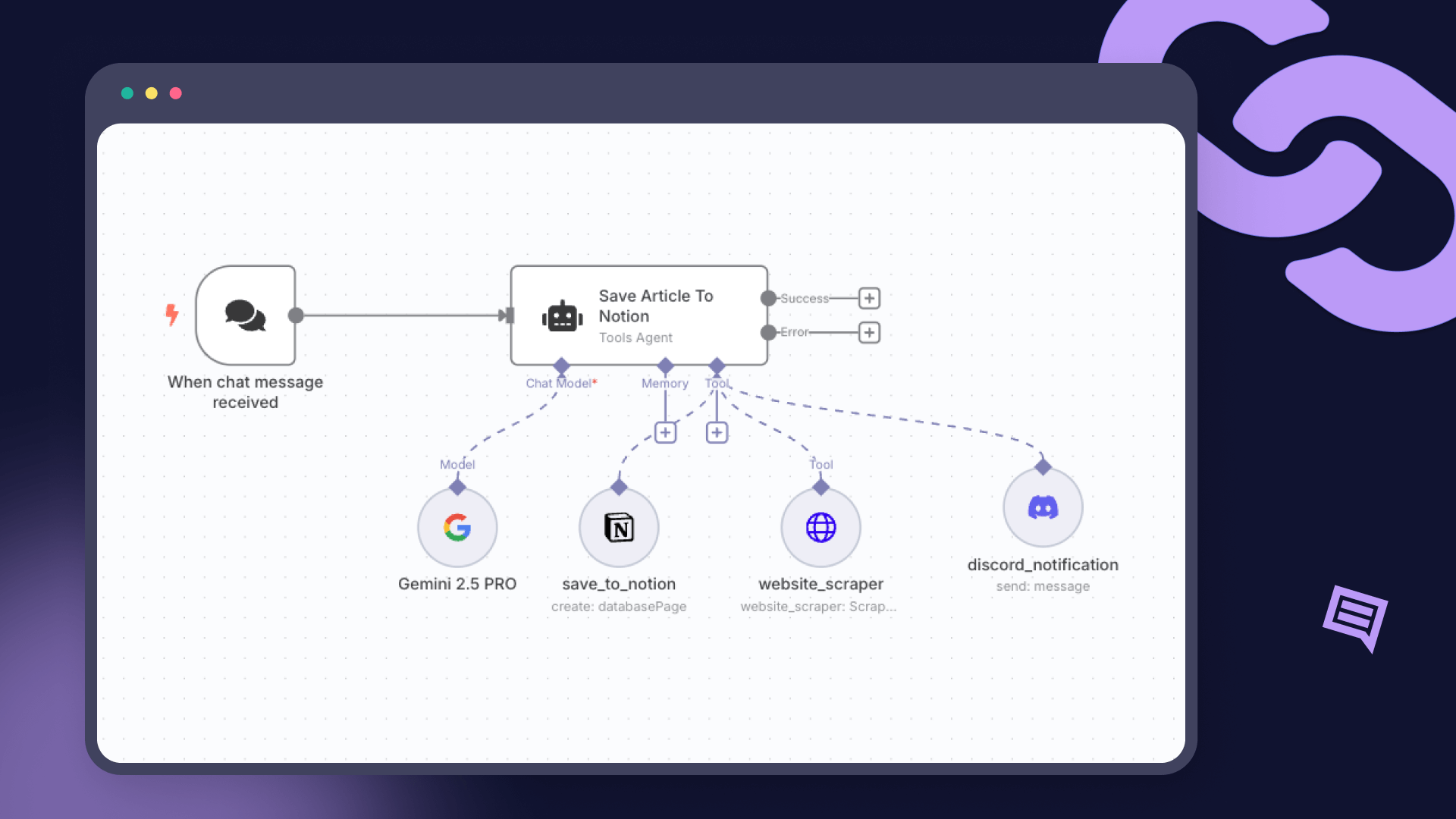
Artificial Intelligence (AI) has come a long way over the past decade. What once began as simple, rule-based chatbots answering basic FAQs has now transformed into intelligent, autonomous agents capable of reasoning, decision-making, and adaptive problem-solving. This evolution—from static chatbots to dynamic smart agents—marks one of the most significant shifts in the digital enterprise landscape.
In this blog, we’ll explore the journey of AI agent development, how it evolved from chatbots, the role of advanced technologies like machine learning and generative AI, the impact on businesses, and what the future holds for smart agents in enterprise workflows.
The Early Days: Rule-Based Chatbots
The concept of automated digital assistants started with chatbots in the early 2000s. These were simple, scripted tools designed to simulate conversations. They worked on predefined rules:
-
If the user typed “What are your business hours?”, the chatbot replied with a pre-programmed answer.
-
If the query didn’t match, the chatbot responded with “Sorry, I don’t understand.”
These early chatbots served a purpose—reducing the workload of human agents for repetitive queries—but they were limited.
Key Limitations of Early Chatbots:
-
No Learning Capability – They couldn’t improve from past interactions.
-
Rigid Responses – Couldn’t handle unexpected queries or natural conversation flows.
-
Poor User Experience – Frustrated customers when interactions felt robotic.
-
Limited Scope – Useful for FAQs, but not for complex workflows.
Despite their flaws, chatbots set the stage for the rise of intelligent AI agents.
The Shift: From Chatbots to AI-Powered Virtual Assistants
The mid-2010s saw a breakthrough: AI-powered virtual assistants like Apple’s Siri, Amazon Alexa, and Google Assistant. Unlike rule-based bots, these assistants leveraged Natural Language Processing (NLP) and machine learning to:
-
Understand context and intent in conversations.
-
Process voice as well as text.
-
Integrate with external applications (e.g., calendars, smart homes, e-commerce).
This marked the first big leap in AI agent development. Businesses began experimenting with AI-driven chatbots that could:
-
Recognize sentiment.
-
Personalize responses.
-
Handle multiple variations of a query.
Yet, while more intelligent, these assistants were still reactive—they waited for user prompts rather than acting proactively.
The Rise of Smart AI Agents
Fast forward to 2025, we now see the emergence of smart agents—a significant evolution from traditional chatbots. Unlike their predecessors, smart agents are:
-
Proactive – They don’t just wait for instructions; they anticipate needs.
-
Goal-Oriented – Designed to achieve outcomes rather than provide one-off responses.
-
Adaptive – Capable of learning from every interaction.
-
Autonomous – Can execute multi-step workflows without human input.
-
Collaborative – Work with other agents and humans seamlessly.
Example: Instead of a customer asking, “What’s my order status?”, a smart agent proactively notifies the customer of a delivery delay, suggests alternative solutions, and even offers a discount—all autonomously.
Key Drivers Behind the Evolution
The transformation from basic chatbots to smart agents has been fueled by advancements in multiple AI technologies:
-
Natural Language Processing (NLP) – Allowed agents to understand human language contextually, not just literally.
-
Machine Learning & Deep Learning – Enabled continuous learning from interactions, improving accuracy over time.
-
Reinforcement Learning – Taught agents to make decisions based on rewards and outcomes.
-
Generative AI (GenAI) – Allowed agents to generate dynamic, personalized content like emails, reports, or recommendations.
-
Multi-Agent Systems – Multiple AI agents can collaborate to solve complex enterprise workflows.
-
Integration with IoT & Cloud – Expanded agent capabilities beyond conversations into operations, logistics, and IT systems.
Comparing Chatbots vs. Smart Agents
| Feature | Chatbots | Smart Agents |
|---|---|---|
| Functionality | Rule-based responses | Autonomous, goal-driven actions |
| Learning Ability | None or limited | Continuous, adaptive learning |
| Proactivity | Reactive | Proactive and predictive |
| Complexity Handling | Low (simple queries) | High (multi-step workflows) |
| Integration | Limited to apps | Seamless with enterprise systems |
| User Experience | Frustrating at times | Contextual, personalized |
This table highlights why businesses are rapidly moving from chatbots to smart agents—the latter are no longer just “helpers” but strategic partners in digital transformation.
How Smart Agents Are Transforming Businesses
1. Smarter Customer Engagement
Smart agents don’t just respond to queries; they predict customer needs. For example:
-
An e-commerce smart agent can suggest products based on browsing behavior.
-
A telecom smart agent can detect repeated connectivity issues and proactively escalate support.
2. End-to-End Workflow Automation
Smart agents can manage entire workflows, such as:
-
Approving expenses in finance.
-
Automating supply chain decisions.
-
Running IT diagnostics and self-healing issues.
3. Enhanced Decision-Making
By analyzing large datasets in real time, smart agents help executives make data-driven decisions. They don’t just provide insights—they take action when thresholds are met.
4. Workforce Augmentation
Instead of replacing employees, smart agents augment human capabilities:
-
HR smart agents can screen resumes and shortlist top candidates.
-
Marketing smart agents can generate personalized campaigns at scale.
5. Personalized Customer Experiences
Unlike static chatbots, smart agents tailor their responses based on customer history, preferences, and real-time context, increasing engagement and loyalty.
Real-World Examples of Smart Agent Adoption
-
Banking & Finance: AI agents detect fraudulent activities, automatically freeze suspicious accounts, and notify customers in real time.
-
Healthcare: Virtual health agents manage patient follow-ups, medication reminders, and even initial diagnostics.
-
Retail & E-Commerce: Agents manage inventory, predict demand, and provide personalized product recommendations.
-
Logistics: Smart agents reroute shipments during disruptions and ensure on-time deliveries.
These examples show that smart agents aren’t futuristic concepts—they are already driving measurable impact today.
Benefits of Moving from Chatbots to Smart Agents
-
Efficiency Gains – Reduced reliance on human intervention.
-
Scalability – Handle thousands of interactions or workflows simultaneously.
-
Improved Accuracy – Learning agents reduce errors over time.
-
Higher Customer Satisfaction – Personalized, proactive engagement builds trust.
-
Business Agility – Faster adaptation to market changes or disruptions.
Challenges in Adopting Smart Agents
Despite the benefits, businesses face some challenges:
-
Integration with Legacy Systems – Many enterprises still run on outdated infrastructure.
-
Data Quality and Availability – Poor data reduces agent effectiveness.
-
Security Concerns – Smart agents require high trust and strong security.
-
Employee Resistance – Fear of job replacement can hinder adoption.
-
Ethical and Bias Risks – Agents must be trained responsibly to avoid biased outcomes.
Best Practices for Businesses
To successfully transition from chatbots to smart agents, enterprises should:
-
Start Small with Pilot Projects – Focus on one high-impact area like customer service.
-
Invest in Data Infrastructure – Ensure clean, accessible, and integrated datasets.
-
Adopt Human-in-the-Loop Models – Keep humans involved in critical decision-making.
-
Prioritize Transparency – Ensure agent decisions are explainable.
-
Scale Gradually – Move from small use cases to enterprise-wide adoption.
The Future of Smart Agents
The evolution of AI agent development is far from over. Emerging trends suggest that smart agents will become core building blocks of autonomous enterprises. Some exciting possibilities include:
-
Multi-Agent Collaboration – Teams of smart agents managing departments like HR, finance, and supply chain.
-
Generative AI-Powered Agents – Creating strategies, reports, and personalized communication on demand.
-
Emotional Intelligence in Agents – Understanding and responding to human emotions for deeper engagement.
-
Fully Autonomous Enterprises – Businesses where smart agents manage 80% of operations with minimal human oversight.
By 2030, it’s expected that smart agents will become as integral to organizations as employees are today.
Conclusion
The journey from chatbots to smart agents represents more than just a technological upgrade—it signifies a paradigm shift in how businesses operate. Chatbots may have laid the groundwork for digital interactions, but smart agents are now driving enterprise-wide transformation.
With their ability to act autonomously, adapt to dynamic environments, and deliver personalized outcomes, smart agents are no longer optional—they are essential for enterprises seeking growth, agility, and innovation.