
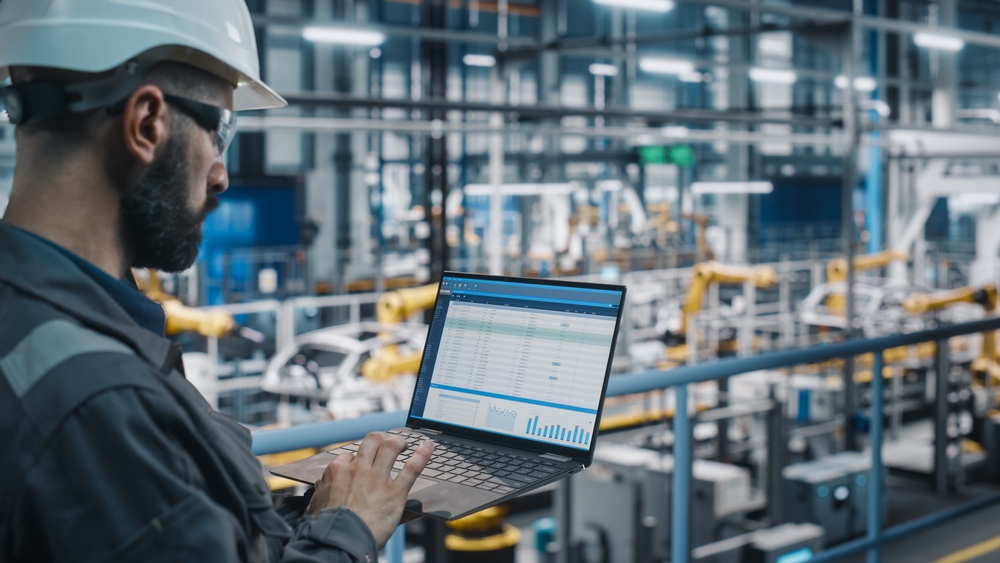
Your new ERP system promised to streamline everything – inventory management, production scheduling, quality control, and financial reporting all in one integrated platform. Six months into the implementation, your production manager is still keeping separate spreadsheets because the ERP doesn’t reflect real-time machine status, and your quality team can’t figure out why their test results aren’t automatically updating inventory records.
If this sounds familiar, you’re experiencing one of the most common frustrations in manufacturing IT solutions: the gap between ERP system capabilities and the reality of integrating them with existing manufacturing operations.
Why Manufacturing ERP Integration Is Uniquely Complex
ERP integration in manufacturing environments presents challenges that don’t exist in other industries. Unlike service businesses that primarily manage information workflows, manufacturing companies need their ERP systems to connect with physical production processes, real-time equipment data, and complex supply chain operations.
The fundamental challenge is that most ERP systems were designed around business process workflows, while manufacturing operations are driven by physical constraints, equipment capabilities, and real-time production variables that don’t always fit neatly into predefined business logic.
The Real-Time Expectation Gap
Modern manufacturing operations generate continuous streams of data from production equipment, quality control systems, and inventory tracking devices. Meanwhile, traditional ERP systems often operate on batch processing cycles that update information periodically rather than instantaneously.
This creates a disconnect where:
- Production schedules in the ERP don’t reflect actual machine availability or performance
- Inventory levels lag behind actual consumption and production output
- Quality control results don’t immediately impact production decisions
- Cost accounting relies on estimated rather than actual production data

Common Integration Obstacles in Manufacturing Environments
Let me walk you through the most frequent integration challenges I encounter when working with manufacturing IT solutions implementations.
Data Format and Timing Mismatches
Manufacturing equipment and systems often generate data in formats and timing patterns that don’t align with ERP system expectations. For example:
- Machine data might update every few seconds, while the ERP expects hourly or daily summary reports
- Quality measurements might include statistical data that the ERP can’t interpret or store effectively
- Inventory transactions from automated systems might not match the ERP’s transaction structure requirements
Multi-System Communication Complexities
Most manufacturing facilities rely on multiple specialized systems that all need to share data with the ERP:
- Manufacturing Execution Systems (MES) that control production workflows
- Quality Management Systems (QMS) that track testing and compliance data
- Warehouse Management Systems (WMS) that handle inventory movement and storage
- Maintenance Management Systems that track equipment performance and maintenance schedules
Getting all these systems to communicate effectively with each other and the ERP requires careful coordination of data formats, timing, and business logic across multiple platforms.
The Shop Floor Connectivity Challenge
One of the biggest hurdles in manufacturing IT solutions integration is connecting ERP systems to actual production floor operations. The shop floor environment presents unique challenges that office-based systems weren’t designed to handle.
Equipment Communication Barriers
Manufacturing equipment varies widely in its communication capabilities:
- Newer machinery might have built-in networking and data export capabilities
- Legacy equipment might require retrofit solutions or manual data entry processes
- Mixed environments create inconsistent data quality and timing across different production lines
- Reliability concerns arise when network connectivity issues can potentially impact production operations
Environmental and Operational Constraints
Manufacturing environments often present challenges for IT infrastructure that can affect ERP integration:
- Network reliability requirements in environments with electromagnetic interference or physical hazards
- Uptime expectations where system failures can immediately impact production output
- User interface limitations for operators who need simple, fast data entry methods during production
- Security considerations for systems that connect shop floor equipment to enterprise networks
Data Synchronization and Accuracy Issues
Maintaining accurate, synchronized data across multiple manufacturing systems and the ERP requires addressing several ongoing challenges that don’t have simple technical solutions.
Handling Production Variability
Manufacturing operations rarely follow exact plans, and ERP integration needs to accommodate this reality:
- Schedule changes that affect material requirements and resource allocation
- Quality issues that require rework or scrap adjustments to inventory and costs
- Equipment problems that change production timing and capacity assumptions
- Supply chain disruptions that require rapid replanning and resource reallocation
Managing Master Data Consistency
Effective manufacturing IT solutions require consistent master data across all integrated systems, but maintaining this consistency proves challenging when:
- Product specifications change frequently based on customer requirements or engineering updates
- Supplier information needs to be synchronized across procurement, quality, and production systems
- Work center definitions must reflect actual equipment capabilities and configurations
- Cost structures need to account for complex manufacturing overhead allocation methods
Implementation Strategy Considerations
Successful ERP integration in manufacturing environments requires implementation strategies that account for the unique complexities of production operations.
Phased vs. Big Bang Approaches
Most successful manufacturing IT solutions implementations use phased approaches that allow for learning and adjustment:
Phase 1: Start with financial and administrative functions that don’t require real-time production integration Phase 2: Add inventory management and basic production planning capabilities Phase 3: Integrate shop floor data collection and real-time production tracking Phase 4: Implement advanced features like predictive analytics and automated scheduling
Pilot Testing in Controlled Environments
Before rolling out ERP integration across entire manufacturing operations, smart companies test integration scenarios in controlled environments:
- Single production line pilots that allow for detailed troubleshooting without affecting overall operations
- Limited product range testing that reduces the complexity of initial integration scenarios
- Parallel operation periods where old and new systems run simultaneously to validate data accuracy
Organizational Change Management
Technical integration challenges are often easier to solve than the organizational changes required for successful ERP adoption in manufacturing environments.
Training and User Adoption
Manufacturing ERP integration affects multiple user groups with different technical comfort levels:
- Shop floor operators who need simple, intuitive interfaces for data entry and system interaction
- Production supervisors who require real-time visibility into system status and production metrics
- Engineering teams who need to understand how design changes affect ERP data and processes
- Management teams who expect accurate, timely reporting that reflects actual manufacturing performance
Process Standardization Requirements
ERP integration often reveals inconsistencies in manufacturing processes that weren’t apparent when different departments used separate systems. Successful integration requires:
- Standardized procedures for data entry, quality control, and inventory management
- Clear responsibility definitions for data accuracy and system maintenance
- Exception handling procedures for situations that don’t fit standard ERP workflows
- Continuous improvement processes that use integrated data to identify optimization opportunities
Making Integration Work Long-Term
The goal of manufacturing IT solutions integration isn’t just getting systems to communicate – it’s creating sustainable operations that continue to deliver value as business requirements evolve.
Successful long-term integration requires ongoing attention to data quality, system performance, and user training. It also requires maintaining the flexibility to adapt integration approaches as manufacturing processes change and new technologies become available.
The companies that get the most value from their ERP integration investments are those that view integration as an ongoing process of improvement rather than a one-time technical project. They invest in the organizational capabilities needed to maintain and optimize their integrated systems over time, turning their manufacturing IT solutions into competitive advantages rather than just operational necessities.