
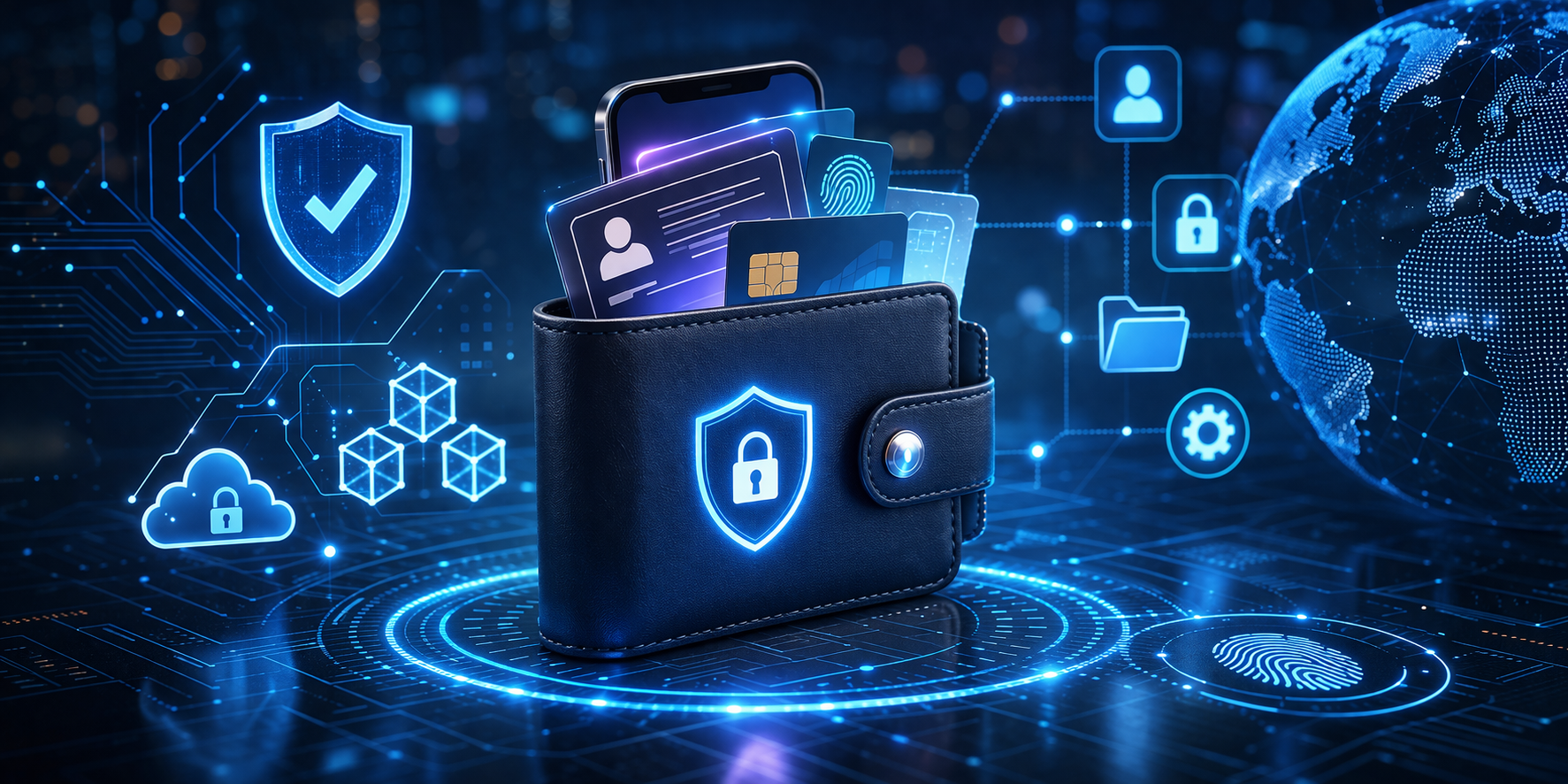
In a world where personal information is constantly exchanged, stored, and analyzed, protecting digital identity has become a growing priority. From financial records to login credentials and behavioral data, individuals are generating vast amounts of information every day. As concerns around data misuse and cyber threats increase, digital data wallets are emerging as a powerful solution for enhancing user-controlled privacy. These innovative tools offer individuals greater ownership over their personal data while introducing smarter, more secure ways to manage digital identities.
Understanding Digital Data Wallets
Digital data wallets are secure digital environments designed to store sensitive information such as personal credentials, identification details, financial data, and authentication keys. Unlike traditional storage methods that rely heavily on centralized servers, digital data wallets focus on encryption-based protection and decentralized access models.
The purpose of a digital data wallet is not only to store data safely but also to give users control over how, when, and with whom their information is shared. By shifting data ownership back to the individual, these tools help reduce reliance on third-party platforms that often collect and monetize user data.
Why User-Controlled Privacy Matters
In recent years, large-scale data breaches and privacy controversies have highlighted the risks of centralized data storage. When organizations hold vast amounts of personal information, they become attractive targets for cybercriminals. Additionally, users often have limited transparency regarding how their data is collected, processed, or shared.
User-controlled privacy represents a shift toward empowering individuals to manage their own digital footprint. Instead of granting blanket permissions to applications and services, individuals can decide what specific data points they want to share. This granular control helps minimize unnecessary exposure and improves trust between users and digital platforms.
Digital data wallets support this transformation by providing tools that enable selective sharing, secure authentication, and encrypted storage. As privacy regulations continue to evolve globally, solutions that prioritize user autonomy are becoming increasingly important.
The Role of Encryption in Data Protection
Encryption is the foundation of digital data wallet security. Advanced cryptographic techniques ensure that stored data remains unreadable without proper authorization. Even if unauthorized access occurs, encrypted data cannot be easily interpreted or exploited.
Modern encryption methods also support secure verification processes, allowing users to confirm their identity without revealing excessive personal information. For example, instead of sharing full identification details, users can confirm specific attributes such as age eligibility or location verification without exposing full records.
This approach significantly reduces the amount of sensitive information circulating online, lowering the risks associated with identity theft and fraud.
Digital Identity and Secure Authentication
Digital identity is becoming a central component of online interaction. Whether accessing financial services, healthcare portals, or educational platforms, individuals must frequently verify their identity. Traditional authentication systems rely heavily on passwords, which are often reused, forgotten, or compromised.
Digital data wallets improve this process by enabling secure authentication through encrypted credentials and biometric verification. These systems eliminate the need to repeatedly share sensitive login details, reducing vulnerability to phishing attacks and password breaches.
Additionally, digital wallets allow individuals to store verified credentials issued by trusted institutions. These credentials can be shared instantly when needed, simplifying identity verification while maintaining high levels of security.
How Crypto Wallet Technology Influences Data Privacy
The concept of the crypto wallet has significantly influenced the development of secure digital storage systems. A crypto wallet demonstrates how encrypted environments can protect sensitive digital assets while giving users full control over access permissions. By applying similar principles, developers are creating data wallets that allow individuals to manage credentials securely without relying on centralized authorities. The crypto wallet model shows how private keys, authentication protocols, and decentralized verification can support stronger privacy protections. As digital ecosystems evolve, lessons learned from crypto wallet security frameworks continue to shape innovative approaches to user-controlled privacy.
Benefits of Digital Data Wallet Adoption
Digital data wallets provide multiple advantages that align with modern security needs:
- Greater user control over personal information sharing
- Reduced dependence on centralized databases
- Improved protection against identity theft
- Simplified authentication processes
- Enhanced transparency in data usage
- Secure storage of credentials and sensitive files
These benefits make digital data wallets particularly valuable for industries that handle confidential information, including finance, healthcare, and legal services.
Challenges and Considerations
Despite their potential, digital data wallets also face several challenges. Adoption requires technological infrastructure, user education, and interoperability between platforms. Not all organizations currently support decentralized identity systems, which may limit usability in certain environments.
Another important consideration is usability. Security solutions must remain user-friendly in order to encourage widespread adoption. If systems become overly complex, individuals may revert to less secure practices for convenience.
Developers must balance strong security measures with intuitive interfaces to ensure accessibility for both technical and non-technical users.
The Future of Privacy-Centered Technology
As digital interactions continue to expand, demand for privacy-focused solutions will grow. Data ownership is becoming a central theme in discussions about digital rights and online autonomy. Digital data wallets are expected to play a significant role in shaping the future of secure identity management and information protection.
Advancements in artificial intelligence, blockchain infrastructure, and cryptographic techniques will likely further strengthen the capabilities of digital wallets. These technologies can support adaptive security measures that respond to evolving cyber threats in real time.
Organizations are also beginning to recognize the value of privacy-first systems as a way to build trust with users. Transparent data practices can improve customer confidence and encourage long-term engagement.
Conclusion
Digital data wallets represent an important step toward a more secure and privacy-focused digital environment. By allowing individuals to control how their information is stored and shared, these solutions address many of the concerns associated with centralized data systems. As technology continues to evolve, user-controlled privacy will become a defining feature of responsible digital innovation.
The continued development of secure storage frameworks, encryption standards, and decentralized identity verification will help shape a future where individuals maintain greater authority over their personal data. Digital data wallets are not only a technological advancement but also a meaningful shift toward empowering users in the digital age.