
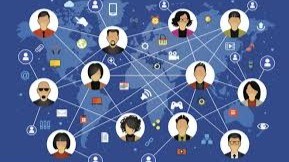
In the age of digital intimacy, identity can’t be limited to physical spaces anymore. That’s why the whole world of people is experimenting, revealing, and making changes to their online lives through social networks, digital communities, and virtual platforms. Data science as it is these days has become an extremely useful means in deciphering the formation, survivability, and impacts of online subcultures in society. The digital traces which consist of likes, comments, hashtags, and interactions, enable a new method of tracking the online tribes’ growth and revealing their true identity motives, decoding their collective identity through data.
The Digital Fabric of Modern Identity
Digital identity is the total of all our posts, preferences, and online behaviors we are willing to share. It is a mirror of our values, tastes, and affiliations. Contrary to the conservative social structures, the digital world allows people to unite in communities not based on the physical location but on the common ground of values, interests, or subcultural ties.
For instance, people who used to meet each other in person in clubs or through subscription to hardly seen-in-print niche magazines now find communities through the likes of Reddit, Discord, or TikTok. No matter if it’s gaming, goth, environment-loving, or data analyzing, all the online subcultures are interacting and influencing each other while creating their own unique and isolated ecosystems.
This cultural democratization—thanks to algorithms—has facilitated the going global of the once-niche movements. But it has also led to the dilemma of how our data constitutes our identity and how algorithms determine our perspectives which in turn influence not only our behavior but also our sense of identity.
Data Science and the Mapping of Online Communities
Data science has opened new avenues for researchers to measure digital activities in very accurate and diverse ways. Social network analysis, machine learning, and natural language processing (NLP) together make it possible for the analysts to spot the patterns in the process of the communities’ formation and evolution.
One of the applications being LDA (Latent Dirichlet Allocation) can uncover the topics of online discourse and clustering algorithms can segregate users on the bases of interests met. This type of examination will not only point out the further blossoming of the subcultures, the content that has the highest participation, and the extent to which the ideas are disseminated among the networks.
With the aid of these relationships, the data scientists can visualize and expose the hidden entities—digital “tribes” linked through similar symbols, music, or fashion. Such models are extremely useful not just for sociologists and marketers, but also for everybody who is interested in the social structure of the internet.
From Niche Forums to Global Networks
The rise of the online subcultures is a topic that can be of great interest for digital sociology. At the beginning of the 2000s, such niche sites as VampireFreaks represented the virtual haven for the future of popular culture. These initial communities used forums, message boards, and chat rooms to assert presence and belong. This was the time when they were building up their identity long before the social media invasion.
The same phenomenon is still present today but is much bigger. Subcultures are flourishing on algorithm-powered sites where the content is recommended based on the user’s profile. Goths, for instance, may be influenced by the visual feeds of Instagram to adopt certain fashion trends or be in Discord servers to share their experiences with like-minded people. Data analytics machines are able to monitor these communities’ changes—by quantifying the rates of engagement, the shifts in topics, and the alterations in demographics over the timeline.
The Role of Algorithms in Shaping Culture
Social media algorithms are still one of the strongest factors affecting people’s online identity. They control which posts are trending, which styles are becoming popular, and which groups are recognized. The field of data science contributes to illuminating these unseen systems by reversing the process of recommendation engines that categorize users and select the content.
But it is a case of a double-edged sword. Algorithms promote some stories while suppressing others. This could result in echo chambers where users are exposed only to content that reflects their views or aesthetic tastes. Though it strengthens group identity, it may also cut off individuals from the wider cultural range. It is crucial to recognize this through data analytics for the purpose of creating and maintaining healthier and fairer online ecosystems.
Cultural Analytics: The New Lens of Data Science
Cultural analytics is the new and exciting discipline that unites data science with anthropology, linguistics, and media studies. With the help of large-scale data, researchers can now not only measure the frequency of words used, but also the manner in which people talk.
This method makes it possible to measure tone, emotion, and influence over large volumes of data. For instance, sentiment analysis may indicate the general mood of a community while the interaction between different groups of people in a subculture can be visualized through the use of network graphs.
Cultural analytics applied to communities that have their roots in social media like VampireFreaks helps us not only to track the changes in the members’ aesthetic taste, but also to see how online connections sometimes become offline movements.
The Ethics of Data and Identity
On the one hand, data science gives us profound insights into the digital world’s peoples’ actions; on the other, it poses some crucial ethical issues. Every dataset consists of living persons—each having their own character and privacy rights. Ethical data processing is only possible if the analyst is open about his/her work, gets permission from the data provider, and fights against any possible biases that might lead to the unfair labeling of certain groups as per the stereotypes.
Furthermore, algorithms that are constructed on data which is either incomplete or otherwise skewed might give a wrong picture of the subcultures, hence misrepresenting or silencing them. For the data professionals, the comprehension of the context is equally as vital as the comprehension of the code.
Conclusion: The Future of Identity in a Data-Driven World
The increase in the number of online subcultures is a reminder that identity is something that changes, is dynamic, and is profoundly linked with data. As digital traces are still being made, data science is on the one hand a mirror and on the other hand a map—indicating our identity and directing the way we connect.
The process of decoding digital identity can help researchers uncover the hidden structures that determine our social world. The alliance of culture and computation opens the door to unlimited avenues—not only to comprehend the online life but also to influence it in such a manner that it respects diversity, creativity, and human connection.