

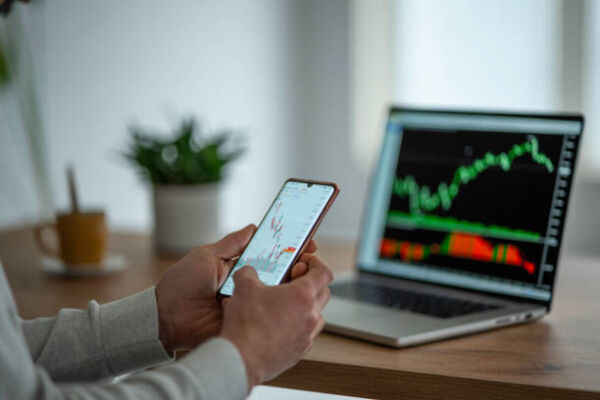
The advent of online platforms has revolutionized trading, making it more accessible and dynamic than ever before. Among the various trading strategies, day trading and active trading stand out as two popular methods for individuals seeking to profit from market fluctuations. Both strategies involve short-term approaches, but each comes with its own techniques, risks, and opportunities. In this article, we’ll delve into the fundamentals of day trading and active trading, their differences, and how online trading has empowered traders worldwide.
What is Day Trading?
Day trading refers to the practice of buying and selling financial instruments, such as stocks, forex, or cryptocurrencies, within the same trading day. Day traders aim to capitalize on small price movements and typically do not hold positions overnight. This strategy requires quick decision-making, technical analysis, and a strong understanding of market trends.
Key Characteristics of Day Trading:
- Short Holding Periods: Trades are opened and closed within the same day.
- High Volume of Trades: Day traders execute multiple trades daily to maximize profit potential.
- Focus on Volatility: Volatile markets create opportunities for day traders to earn quick profits.
- Leverage: Many day traders use leverage to amplify their trading positions.
What is Active Trading?
Active trading is a broader approach that involves frequent buying and selling of securities to profit from short-term price movements. While it includes day trading, it also encompasses other strategies like swing trading, scalping, and position trading. Active traders closely monitor markets and use a mix of technical and fundamental analysis to inform their decisions.
Types of Active Trading:
- Scalping: Focuses on small, quick profits from minor price changes, often within minutes.
- Swing Trading: Holds positions for several days or weeks to benefit from short-term trends.
- Position Trading: Involves holding positions for weeks or months, targeting medium-term opportunities.
Day Trading vs. Active Trading
While day trading is a subset of active trading, they differ in execution and timeframes:
| Aspect | Day Trading | Active Trading |
|---|---|---|
| Timeframe | Same day | Varies from minutes to months |
| Frequency of Trades | High | Moderate to High |
| Risk Level | Higher (due to leverage and rapid trades) | Varies based on strategy |
| Market Focus | Intraday trends | Short-to-medium-term trends |
Day trading is more intensive and demands constant attention, while active trading provides flexibility with different strategies and time horizons.
Benefits of Online Day Trading and Active Trading
The rise of online trading platforms has made these strategies accessible to a broader audience. Here’s how online trading has transformed the experience:
- Access to Global Markets: Traders can access markets worldwide, from stocks and forex to commodities and cryptocurrencies.
- Real-Time Data: Online platforms provide live price updates, news, and analysis tools, enabling informed decisions.
- Lower Costs: Reduced commission fees and zero-account minimums on many platforms make trading affordable.
- Educational Resources: Platforms offer tutorials, webinars, and practice accounts to help beginners hone their skills.
Risks and Challenges
Both day trading and active trading carry inherent risks, and success requires skill, discipline, and preparation. Key challenges include:
- Market Volatility: Prices can move unpredictably, leading to potential losses.
- Emotional Pressure: The fast-paced nature of trading can lead to impulsive decisions.
- Leverage Risks: While leverage amplifies gains, it also magnifies losses.
- Time Commitment: Day trading, in particular, demands constant monitoring and quick decision-making.
Tips for Successful Trading
- Educate Yourself: Understand market fundamentals, technical indicators, and trading strategies.
- Set Clear Goals: Define your risk tolerance, profit targets, and trading timeframe.
- Use a Trading Plan: Develop and stick to a plan to avoid emotional decisions.
- Practice First: Use demo accounts to practice strategies without risking real money.
- Stay Updated: Follow market news and trends to anticipate potential opportunities.
Conclusion
Day trading and active trading offer exciting opportunities for individuals willing to dive into the fast-paced world of markets. While both strategies require dedication and skill, the accessibility of online trading platforms has leveled the playing field, making it easier for anyone to participate. By understanding the nuances of each approach and staying disciplined, traders can navigate the risks and capitalize on the rewards of short-term trading.
Whether you’re drawn to the thrill of intraday trades or prefer a more flexible active trading approach, the key to success lies in preparation, strategy, and continuous learning.
window.__oai_logHTML?window.__oai_logHTML():window.__oai_SSR_HTML=window.__oai_SSR_HTML||Date.now();requestAnimationFrame((function(){window.__oai_logTTI?window.__oai_logTTI():window.__oai_SSR_TTI=window.__oai_SSR_TTI||Date.now()}))