
The growing urgency of climate change has turned data into one of the most powerful tools in environmental science. Across the world, data scientists analyze weather patterns, emissions, and energy consumption to design solutions that promote sustainability. Each dataset represents a chance to understand how human activity influences natural systems. Through data-driven insights, researchers can forecast droughts, optimize renewable energy production, and guide policymakers toward smarter decisions. High school students who study data science early gain a window into how technology combats global challenges.
Clean energy, climate modeling, and data analytics now intersect more than ever before. Learning how algorithms predict and manage environmental outcomes helps students see how science and technology connect in real life. These insights reveal how data transforms raw information into measurable progress for the planet. Education that merges scientific inquiry with computational skills inspires students to become active contributors to sustainability efforts. By learning how to interpret data responsibly, they also learn to think critically about the solutions society adopts.
Understanding Climate Through Data
Data science helps scientists decode the complex behavior of the Earth’s atmosphere. Through climate models, researchers simulate future temperature shifts and evaluate their potential effects on ecosystems. When students explore how this information is processed, they learn how science uses technology to predict and mitigate climate risks. Many summer programs for high school students now include modules that introduce participants to environmental data analytics. Such programs teach learners how to handle climate datasets, use visualization tools, and interpret patterns in temperature and carbon levels.
Beyond technical knowledge, students also develop an appreciation for the ethical implications of environmental data. They learn that data accuracy affects real-world decisions, from disaster preparedness to resource allocation. Instructors emphasize the importance of transparency and critical thinking when analyzing environmental data. Students also explore how different data sources can produce varying results, helping them question conclusions responsibly. Exposure to real datasets encourages learners to ask meaningful questions and propose evidence-based solutions. As they progress, they begin to see how data science shapes not only policies but also global awareness.
Connecting Renewable Energy and Data
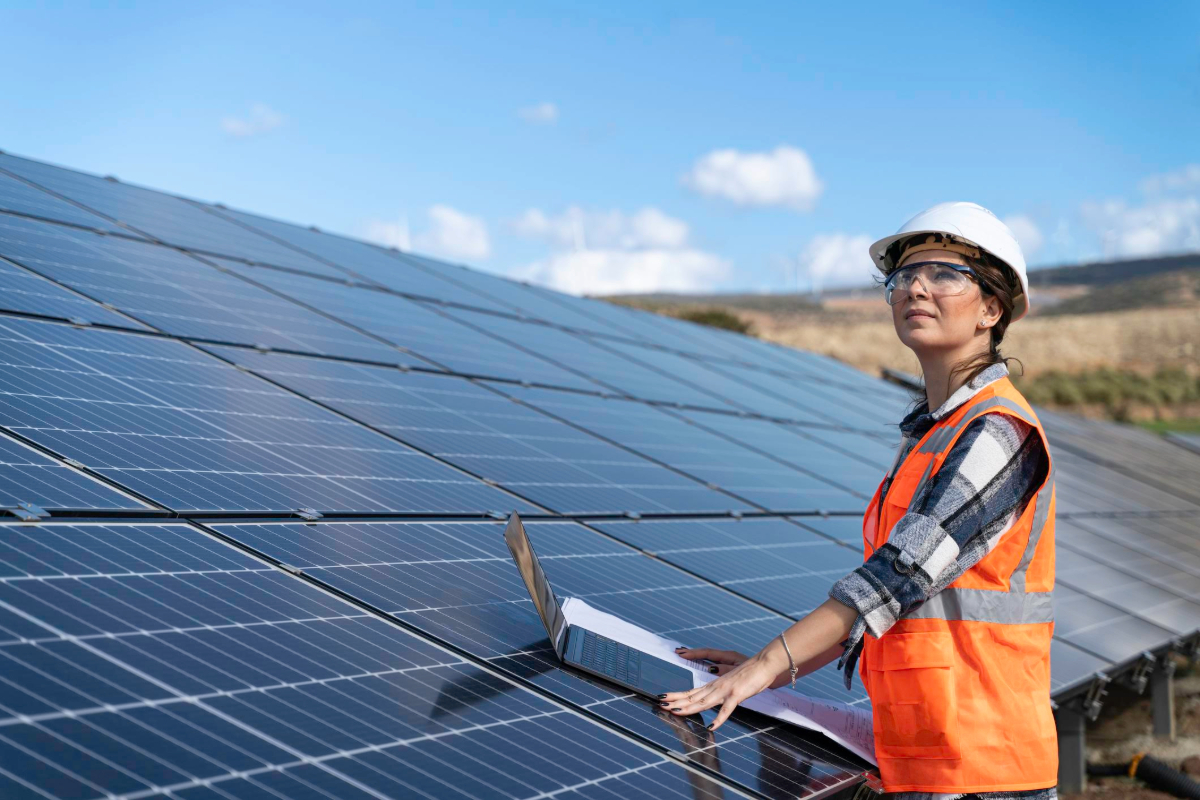
Renewable energy systems depend on accurate data to function efficiently. Solar farms, wind turbines, and hydroelectric plants all use predictive models to optimize energy generation. These models rely on continuous streams of information about sunlight, wind speeds, and demand fluctuations. Many summer online courses for high school students integrate simulations that let learners design their own energy models. These activities teach them to apply mathematical and analytical reasoning to real environmental challenges. Students can adjust variables to see how changes in weather or demand affect energy output. This kind of exploration transforms theoretical concepts into practical, solution-based learning experiences.
To further illustrate the relationship between data and renewable energy, educators often introduce real-world applications such as:
- Energy Forecasting: Students analyze how predictive algorithms estimate future energy needs based on weather data.
- Smart Grids: Learners study how digital networks balance energy distribution to reduce waste and increase efficiency.
- Sustainability Metrics: Participants evaluate how data tracks energy performance and environmental impact across regions.
- Optimization Projects: Students use software to simulate how adjusting parameters can improve renewable energy generation.
Through these activities, learners discover the direct impact of their studies on pressing global issues. Each dataset represents a step toward a sustainable and energy-efficient future. As a result, data science becomes more than numbers; it becomes a method for empowering change through knowledge.
The Role of Education in Data-Driven Sustainability
Educational institutions play a key role in connecting data science to environmental progress. Teachers introduce students to computational tools that interpret environmental systems with accuracy and purpose. In doing so, they emphasize that sustainable innovation depends on both scientific understanding and creative problem-solving. Students who participate in the best pre college programs often encounter interdisciplinary lessons that merge computer science with environmental policy. It also helps them identify future academic and professional pathways in science, engineering, or environmental technology.
Furthermore, education encourages collaboration between disciplines to address environmental challenges. Students learn that progress requires teamwork across physics, chemistry, computer science, and social studies. Educators promote discussion about how data influences environmental justice and policy decisions. This interaction builds awareness of the human side of technology and climate research. Through workshops and group projects, learners discover the value of shared perspectives and collective innovation. Exposure to such learning environments reinforces their responsibility as informed citizens.
Innovating Toward a Cleaner Future
Innovation thrives where curiosity meets understanding. Data science gives students the tools to explore sustainable technologies and evaluate their impact. Projects focused on renewable energy, urban planning, and ecosystem preservation demonstrate how numbers translate into meaningful action. Students also gain insight into the importance of continuous data collection for improving clean energy systems. Every discovery builds confidence in their ability to contribute to long-term sustainability. Such learning experiences inspire a generation ready to lead change through evidence and innovation.
Moreover, innovation in clean energy depends on integrating creativity with technical skill. When students use data visualization and design thinking, they can communicate complex ideas with clarity. Educators often encourage projects that challenge learners to develop new technologies or improve existing ones. Students who understand both the data and the story behind it become effective advocates for sustainability. Their solutions, whether in energy, transportation, or waste reduction, are guided by evidence rather than assumption. This balance ensures that innovation remains both practical and compassionate in addressing global environmental challenges.
Final Thoughts
Data science serves as the bridge between understanding the planet and protecting it. Through careful analysis, it uncovers insights that guide renewable energy strategies, climate policies, and resource management. Students who engage with these ideas at a young age gain awareness of how information shapes global decisions. Learning how to model data and interpret outcomes encourages thoughtful engagement with sustainability. Their skills empower them to approach environmental challenges with both logic and creativity. The connection between data and climate progress demonstrates that informed action begins with informed learning.
The journey toward clean energy and climate understanding is an ongoing process powered by data and human determination. When students explore how data science influences environmental progress, they gain both confidence and direction. The practical knowledge gained through education encourages them to think critically about real-world problems. Every lesson on data, modeling, or sustainability deepens their sense of responsibility toward the Earth. Through research and collaboration, they develop innovative ideas that can shape future industries. The world’s path to cleaner energy and climate resilience begins with the students who learn to harness the power of data.