

In an increasingly digital world, personal information has become one of the most valuable commodities. Data brokers, companies that collect, analyze, and sell vast amounts of data about individuals, are at the center of this information economy. They operate largely behind the scenes, gathering data on everything from shopping habits to location history. While data brokers may seem innocuous, the vast quantities of sensitive information they hold pose significant privacy risks. Understanding the impact of data brokers on your privacy is crucial to protecting yourself in the modern digital landscape.
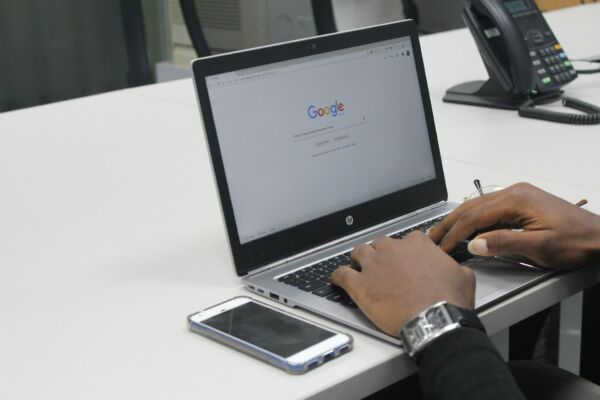
Image Source: https://unsplash.com/photos/person-typing-on-gray-and-black-hp-laptop-EDZTb2SQ6j0
1. Who Are Data Brokers, and How Do They Operate?
Data brokers are companies that compile data on individuals from a variety of sources. These sources can include public records, online purchases, social media activity, and even mobile app usage. By gathering data from these disparate sources, data brokers can create comprehensive profiles of individuals, often containing hundreds of data points. These profiles are then sold to businesses, advertisers, and sometimes even government agencies.
This data is used for various purposes, such as targeted advertising, market analysis, and risk assessment for insurance or credit. Some of the most well-known data brokers include Acxiom, Experian, and Equifax, but there are hundreds of smaller companies that also engage in data brokering. To learn about data privacy tools and ways to manage your digital footprint, you can visit Incogni’s website or do some online research. While these companies may claim to use data responsibly, the level of detail they collect and the potential for misuse make data brokers a silent threat to personal privacy.
2. The Types of Data Collected and Sold
Data brokers collect a wide range of information, including basic details like name, age, and address, as well as more sensitive information such as purchasing habits, health conditions, and online browsing behavior. Location data is another common piece of information, often collected through mobile apps. Some data brokers even track credit scores, political affiliations, and financial data, building profiles that reveal highly personal aspects of individuals’ lives.
These profiles are valuable because they allow businesses to target consumers with highly personalized ads. For instance, a retailer might purchase data on individuals interested in fitness products, while a financial institution might use the data to assess creditworthiness. However, this level of personalization comes at a cost to privacy. With so much sensitive information being traded and sold, individuals are at risk of identity theft, unwanted solicitations, and even discriminatory practices based on their data profiles.
3. The Risks of Having Your Data Exposed
The presence of your data in broker databases opens up numerous risks, particularly if that data falls into the wrong hands. Data breaches at data broker companies have occurred frequently, exposing the personal information of millions of individuals to hackers and cybercriminals. For example, the Equifax data breach in 2017 exposed sensitive information, including Social Security numbers and credit card data, of nearly 147 million people.
The sale of personal data can lead to an increase in scams and fraudulent activities. With access to detailed profiles, scammers can craft highly convincing phishing attacks or even impersonate individuals to gain access to their accounts. Moreover, having personal information readily available can lead to privacy invasions and a loss of control over how one’s information is used. This data exposure makes individuals vulnerable to manipulation, harassment, and unwanted marketing, often without their knowledge or consent.
4. How Data Brokers Impact Consumer Privacy
Data brokers operate with little oversight or regulation in many regions, which means individuals often have no control over how their data is collected, stored, or sold. While some regulations like the European Union’s General Data Protection Regulation (GDPR) and California’s Consumer Privacy Act (CCPA) offer limited protections, most individuals still lack awareness of the extent to which their information is being tracked and sold. Even when protections exist, they can be challenging for consumers to enforce, given the often opaque nature of data broker operations.
This lack of transparency can lead to situations where individuals are unaware of how their information is being used or whether it’s being sold to companies they might not want to share their data with. For example, insurance companies or employers could potentially access certain data points, affecting premiums or employment opportunities. The lack of control over personal data erodes privacy and can have real-world consequences for consumers, from targeted advertising to bias in financial services.
5. Steps to Protect Your Personal Data
While it may be difficult to completely eliminate your data from broker databases, there are steps you can take to minimize your exposure. Limiting the amount of information you share online and using privacy settings on social media can help reduce the data available to brokers. Additionally, many browsers and devices offer tools to limit tracking, such as ad blockers and privacy-focused search engines.
Another effective step is to regularly review and manage app permissions on your phone. Many apps collect location data, browsing history, and other sensitive information, often sharing it with third-party companies, including data brokers. By restricting app permissions to only the necessary functions, you can reduce the amount of personal data that is accessible to brokers.

Image Source: https://pixabay.com/photos/hands-on-keyboard-keyboard-computing-2148723/
Data brokers pose a significant threat to individual privacy, operating largely outside the awareness of the general public. The vast amounts of personal data they collect, analyze, and sell put individuals at risk of privacy invasions, identity theft, and unwanted solicitations. While awareness and data privacy practices are growing, the lack of regulation surrounding data brokers means that protecting personal information is increasingly the responsibility of individuals. By understanding the risks and taking proactive steps to limit data exposure, consumers can regain some control over their personal privacy in an age of data commodification.