
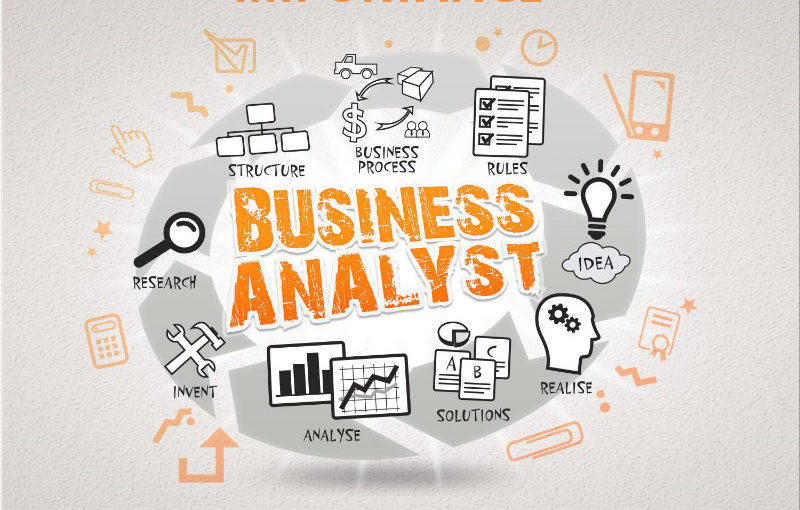
In today’s data-driven world, businesses need professionals who can bridge the gap between technical teams and business goals. That’s where business analysts come in. With the growing demand for skilled analysts across industries, many professionals are now considering business analyst training and courses to build a successful and future-ready career.
This article explores what business analyst training includes, why it’s important, and how choosing the right course or business analyst bootcamp can set you on the path to success.
Who is a Business Analyst?
A business analyst (BA) is someone who analyzes business needs, identifies problems, and finds solutions using data, technology, and communication. BAs work closely with stakeholders to understand business processes and translate them into actionable insights or system requirements.
Whether it’s launching a new product, improving customer service, or optimizing internal processes, business analysts help organizations make better decisions and improve overall efficiency.
Why is Business Analyst Training Important?
The role of a business analyst combines knowledge of business operations with technical skills like data analysis, process modeling, and software tools. Most of these skills aren’t learned in traditional academic programs. That’s why business analyst training and courses are essential.
Here’s why proper training matters:
-
Skill Development: Learn key tools like Excel, SQL, Tableau, and project management software.
-
Industry Knowledge: Understand different domains such as finance, healthcare, IT, or retail.
-
Certifications: Gain recognized credentials that improve your resume and increase job prospects.
-
Real-World Experience: Hands-on projects help apply theory to actual business problems.
What You Learn in a Business Analyst Course
While every course is different, most business analyst training programs cover the following areas:
1. Business Analysis Basics
Learn the role of a BA, key responsibilities, and how to interact with stakeholders effectively.
2. Data Analysis Skills
Understand how to collect, clean, and interpret data using tools like Excel, Power BI, or Tableau.
3. Requirements Gathering
Discover techniques for gathering functional and non-functional requirements, creating use cases, and writing business requirement documents (BRDs).
4. Software Development Life Cycle (SDLC)
Get familiar with methodologies like Agile, Scrum, and Waterfall that are used in tech and software projects.
5. Communication and Reporting
Improve skills in preparing reports, dashboards, and presentations for management and clients.
What is a Business Analyst Bootcamp?
A business analyst bootcamp is an intensive, fast-paced training program designed to help you become job-ready in a shorter time. Bootcamps are ideal for:
-
Working professionals looking to switch careers
-
Fresh graduates who want to enter the business analysis field
-
Professionals from non-technical backgrounds seeking a data-driven role
Unlike traditional courses, bootcamps focus more on practical experience and hands-on learning. They include projects, real-world case studies, and sometimes even job placement support.
Bootcamps can be online or in-person, full-time or part-time, depending on your schedule.
Analytics Training Course vs Business Analyst Training: What’s the Difference?
Many people confuse an analytics training course with business analyst training. While they overlap in some areas, there are key differences:
| Feature | Business Analyst Training | Analytics Training Course |
|---|---|---|
| Focus | Business processes and decision-making | Data modeling and statistical analysis |
| Tools | Excel, Jira, BPM tools | Python, R, SQL, Tableau |
| Outcome | Functional analysis & stakeholder communication | Data-driven insights & reporting |
| Suitable for | Project managers, analysts, consultants | Data analysts, scientists, engineers |
If your goal is to understand and improve business processes, then business analyst training is the right path. If you want to dive deep into data science and modeling, consider an analytics training course.
How to Choose the Right Business Analyst Course
There are many courses out there, so how do you choose the best one?
Here are some tips:
-
Check the Curriculum: Look for a course that covers both theory and practical skills.
-
Instructor Experience: Choose programs taught by industry professionals with real-world knowledge.
-
Certification: Look for courses that offer certifications like CBAP, ECBA, or PMI-PBA.
-
Flexibility: Consider your schedule. Online or part-time courses offer flexibility for working professionals.
-
Reviews and Ratings: Read student feedback to understand the quality of the training.
Top Institutes Offering Business Analyst Courses
While the list is always growing, here are some well-known training providers:
-
Fortray Global Service
-
Coursera (offering university-backed courses)
-
General Assembly (popular for bootcamps)
-
SkillUp and edX
Many also offer business analyst bootcamp options with job-focused training modules and mentorship support.
Conclusion
The demand for skilled business analysts continues to rise, making it a great time to invest in business analyst training and courses. Whether you’re just starting out or looking to grow in your career, the right training can make a big difference. With hands-on projects, real-world examples, and mentorship, you’ll gain the confidence and skills to take on new challenges in today’s competitive job market.
If you’re ready to boost your career, consider enrolling in a business analyst bootcamp or an analytics training course that suits your goals. With the right training, your journey from learning to earning can be faster than you think.