
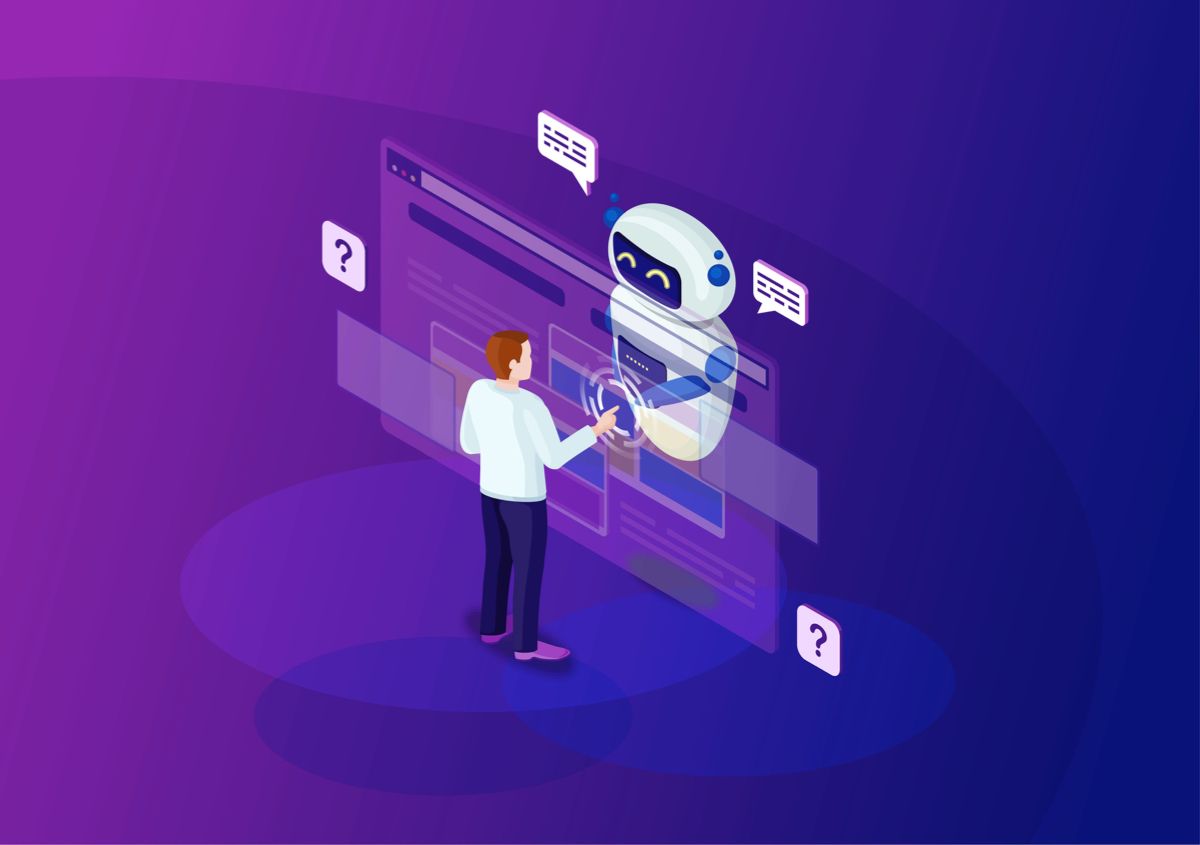
AI chatbots are becoming an essential part of online interactions, from customer support to personal assistants. While some chatbot platforms require a subscription, there are plenty of free options available that allow individuals and businesses to build AI-driven conversational agents without paying anything upfront.
The process of creating a free AI chatbot involves choosing the right tools, training the model, and integrating it into websites, messaging apps, or other digital platforms.
In this post, I will walk through the steps required to build an AI chatbot for free, covering everything from selecting the right platform to deploying it effectively.
✅ Selecting the Right Free AI Chatbot Platform
Several free chatbot platforms offer AI-driven conversations, but not all of them provide the same level of customization and intelligence. Some platforms rely on rule-based systems, while others use machine learning models to process user input more naturally.
Open-Source vs. Cloud-Based Chatbots
When deciding on a free AI chatbot 18+ platform, we can choose between open-source frameworks and cloud-based services.
- Open-source chatbots (such as Rasa and BotPress) allow complete control over the chatbot’s structure, responses, and AI model. They require technical knowledge but provide flexibility.
- Cloud-based chatbot builders (such as Dialogflow, Wit.ai, and Microsoft Bot Framework) handle the AI processing on remote servers, making them easier to set up but often limited in free-tier usage.
In comparison to cloud-based services, open-source frameworks demand more effort but allow us to run chatbots without restrictions on usage.
✅ Setting Up a Free AI Chatbot
Once we choose the platform, the next step is setting up the chatbot. The process may differ based on the tool, but it generally involves these steps:
- Defining the Chatbot’s Purpose – Whether it is for customer service, entertainment, or personal use, defining the chatbot’s role helps shape its conversation flow.
- Creating the Initial Training Data – AI chatbots need a set of questions and responses to start learning. These data points guide the AI in generating meaningful interactions.
- Configuring the Conversation Flow – Many chatbot platforms allow us to create flowcharts or scripts that determine how the chatbot responds based on user input.
- Training the Chatbot – Machine learning models improve their responses over time. Training involves feeding the chatbot data and refining its ability to understand different queries.
- Testing Before Deployment – Before making the chatbot public, testing ensures it can handle different user inputs effectively.
✅ Enhancing AI Chatbot Responses with Natural Language Processing
Natural language processing (NLP) plays a crucial role in improving chatbot interactions. NLP helps the AI interpret messages, identify user intent, and generate human-like responses. Many free chatbot platforms integrate NLP features to improve communication.
For instance, AI-powered chatbots that use NLP can recognize variations in user queries. Instead of responding to rigid, pre-defined phrases, these bots adapt to different ways people phrase their questions.
In particular, NLP-based chatbots can support multilingual conversations, making them more versatile for global users. Free platforms like Dialogflow and Wit.ai offer NLP capabilities even in their basic versions.
✅ Customizing Chatbot Personalities and User Experience
The way a chatbot interacts with users can impact engagement levels. While some bots function as straightforward customer service tools, others adopt more conversational and engaging personalities.
Specifically, businesses that want an AI chatbot to represent their brand should consider the tone, response style, and level of interactivity. Some chatbots use humor, while others maintain a professional tone.
A chatbot’s personality also depends on how it is trained. If we want the bot to engage in casual conversations, we can include informal responses in the training dataset. Likewise, adding structured responses ensures the bot remains focused on specific topics.
✅ AI Chatbot Integration Across Different Platforms
Once the chatbot is fully developed, integrating it into different platforms makes it accessible to users. Many free chatbot builders allow direct integration with messaging apps, websites, and social media platforms.
Common Chatbot Integration Options
- Website Chatbots – Chatbots can be embedded into websites using JavaScript snippets or third-party plugins.
- Social Media Bots – AI chatbots can be deployed on Facebook Messenger, Instagram, WhatsApp, and other social platforms to engage with users directly.
- Messaging App Bots – Telegram and Slack provide APIs to integrate AI-powered bots for automated messaging.
- E-commerce Chatbots – Many businesses use chatbots on Shopify or WooCommerce sites to assist with customer inquiries and sales.
Despite the technical challenges of integration, most chatbot platforms provide guides and pre-built connectors to simplify deployment.
✅ Free AI Chatbots for NSFW Content and Adult Conversations
Not all chatbots are designed for professional or customer service purposes. Some AI chatbots cater to adult-oriented interactions, providing AI-driven conversations for users interested in NSFW AI chat bot experiences.
These chatbots are developed with more open-ended response systems, allowing them to engage in unrestricted discussions. Unlike conventional customer support chatbots, these bots focus on personalized and intimate interactions.
However, chatbot developers working on adult content should be aware of platform restrictions and ethical concerns. Many AI platforms impose guidelines on how AI chatbots can be used, particularly in sensitive or explicit contexts.
✅ AI Chatbots for SEO and Marketing
Apart from customer support and entertainment, AI chatbots are widely used for SEO and digital marketing. Businesses rely on AI SEO Agency solutions to automate content delivery, engage website visitors, and improve search rankings.
Some chatbots assist with SEO by answering queries on websites, reducing bounce rates, and improving user retention. Others generate keyword-rich content or suggest SEO improvements based on chatbot interactions.
Eventually, AI-driven SEO tools will continue to evolve, making chatbots even more relevant for search optimization strategies.
✅ AI Chatbots and Their Role in Digital Communication
Chatbots have reshaped how people interact online, whether for business, personal use, or entertainment. They serve as virtual assistants, helping users complete tasks, answer questions, and engage in meaningful conversations.
One area where AI chatbots have gained popularity is ai sexting, where AI-driven text-based interactions simulate romantic or flirtatious conversations. These chatbots cater to users looking for companionship through virtual messaging.
Still, developers need to fine-tune these chatbots to ensure realistic and engaging responses. AI chatbots in this category must balance personalization with ethical considerations to avoid unintended biases or harmful interactions.
✅ Future of Free AI Chatbots
Even though AI chatbots have come a long way, there is still plenty of room for improvement. Future advancements will focus on improving response accuracy, expanding language capabilities, and reducing AI bias.
Similarly, chatbot developers are working on making AI responses more contextual, ensuring that bots remember past interactions for better engagement. Memory-based AI chatbots will likely become more common, allowing for more personalized conversations over time.
Meanwhile, free chatbot platforms will continue to provide accessible tools for users who want to experiment with AI without paying for expensive services. With open-source frameworks and cloud-based AI tools, anyone can build an AI chatbot for various use cases.
Read Also:- How AI Can Help You Become a Better Partner
✅ Conclusion
Building a free AI chatbot is more accessible than ever, thanks to various open-source tools and cloud-based platforms. From simple rule-based bots to advanced NLP-driven chatbots, the possibilities are endless.
Whether for customer service, marketing, or entertainment, AI chatbots have proven their value in digital communication. As AI technology improves, chatbots will become even more responsive, intuitive, and adaptable.
For those interested in creating their own AI chatbot, starting with a free platform is a great way to learn the fundamentals and experiment with different chatbot functionalities