
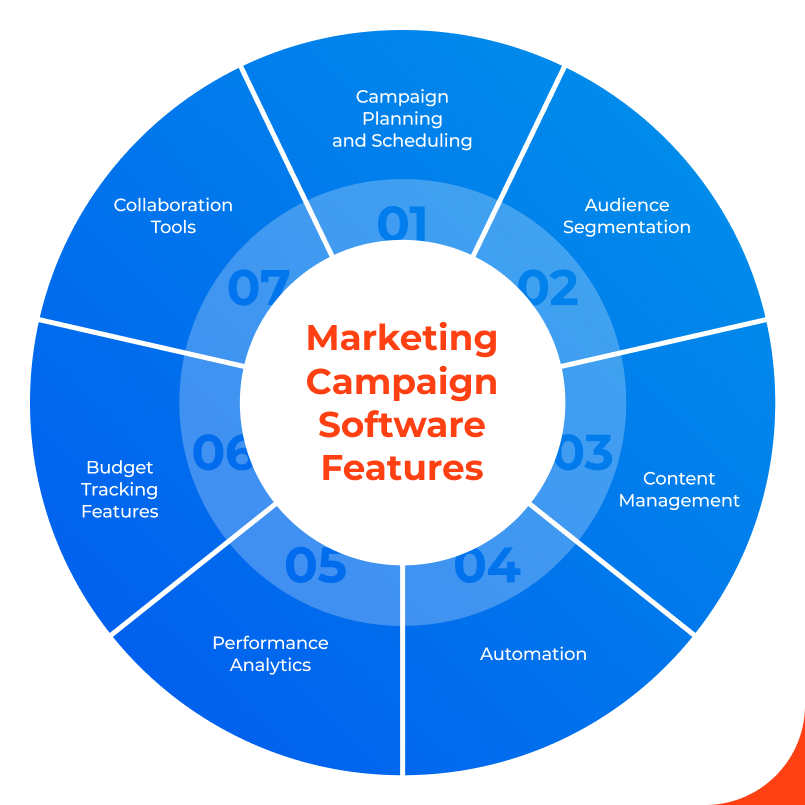
Modern marketing campaigns involve dozens of moving parts across creative development, audience targeting, channel scheduling, and budget optimization. When teams manage these workflows using disjointed spreadsheets and isolated chat threads, execution slows down, brand messaging fractures, and campaign deadlines slip. AI-driven marketing software resolves this operational friction by automating campaign brief generation, forecasting channel performance, synchronizing cross-channel schedules, and connecting live campaign data directly to revenue outcomes. For organizations seeking an integrated Smart Marketing Campaign Planning Software India and global marketing operations platform, selecting the right software accelerates time-to-market while maximizing return on ad spend. This comprehensive guide reviews the best AI-powered campaign planning platforms, detailing their automation capabilities, multi-channel support, and operational benefits for marketing teams.
Quick Answer: The top AI-powered campaign planning tools for marketing teams include HubSpot Marketing Hub, ClickUp, Meon, Monday.com, Asana, and Jasper AI. These platforms automate campaign roadmaps, cross-channel scheduling, content asset generation, and closed-loop revenue attribution to streamline end-to-end marketing execution.
What Is AI-Powered Campaign Planning?
AI-powered campaign planning is the use of machine learning, natural language processing, and predictive analytics to automate marketing strategy, asset scheduling, resource allocation, and performance forecasting. It replaces manual spreadsheets with intelligent workflows that orchestrate cross-channel marketing campaigns from initial concept to post-launch optimization.
Traditional campaign planning relies on static documents, manual timeline tracking, and fragmented communication across creative, media buying, and analytics teams. This approach often leads to version control errors, delayed approvals, and uncoordinated launches across channels. AI-assisted campaign planning platforms centralize these functions within an adaptive workspace that predicts bottlenecks, automates milestone scheduling, and personalizes messaging based on historical performance data.
Modern AI campaign planning software incorporates five core operational capabilities:
- Predictive Budget and Performance Forecasting: Machine learning algorithms analyze historical campaign metrics to project conversion rates, cost-per-acquisition (CPA), and optimal budget distribution across channels.
- Automated Campaign Brief and Workflow Generation: Natural language engines generate structured creative briefs, task dependencies, and milestone schedules directly from high-level campaign objectives.
- Dynamic Multi-Channel Scheduling: Centralized marketing calendars automatically adjust distribution timelines across social media, email, digital ads, and mobile messaging based on audience activity patterns.
- Audience Segmentation and Personalization: AI models analyze customer behavior to build high-intent audience clusters and suggest tailored messaging variants for distinct customer personas.
- Real-Time Campaign Health and ROI Attribution: Unified analytics dashboards track live engagement, flag underperforming assets, and attribute downstream pipeline revenue to specific marketing touchpoints.
Why Marketing Teams Are Transitioning to AI Campaign Planning Platforms
Marketing teams are transitioning to AI campaign planning platforms to eliminate cross-departmental silos, accelerate launch timelines, optimize marketing spend, and maintain consistent messaging across channels. Automation reduces manual administrative work, allowing marketers to focus on creative strategy, rapid experimentation, and data-driven optimization.
Managing multi-channel marketing campaigns has grown increasingly complex due to fragmented customer journeys and rapid content cycles. Marketing leaders require centralized systems that connect strategic planning with operational execution.
Key operational benefits driving the adoption of AI campaign planning platforms include:
- Eliminating Cross-Departmental Silos: Creative designers, copywriters, performance marketers, and sales development teams collaborate within a shared workspace, ensuring complete visibility into asset deadlines and campaign milestones.
- Accelerating Time-to-Market: Automated brief generation, templated workflows, and AI-assisted asset creation compress campaign preparation cycles from weeks into days.
- Optimizing Multi-Channel Resource Allocation: Real-time data intelligence identifies which marketing channels yield the highest return, allowing managers to reallocate budgets dynamically toward high-performing campaigns.
- Automating Milestone Scheduling and Approvals: Conditional workflow rules assign review tasks, trigger stakeholder approvals, and update task dependencies automatically when campaign assets are submitted.
- Ensuring Cross-Channel Content Consistency: Centralized brand voice governance and AI content guardrails ensure visual assets, ad copy, and email messaging align with brand guidelines across every customer touchpoint.
Best AI-Powered Campaign Planning Tools for Marketing Teams
The platforms evaluated below represent the top AI-driven campaign planning and marketing management solutions available today. Each platform delivers distinct operational advantages depending on team structure, channel complexity, content volume, and integration requirements.
1. HubSpot Marketing Hub
HubSpot Marketing Hub is an enterprise-grade inbound marketing platform that combines visual campaign orchestration with embedded AI assistance (HubSpot Breeze) and customer database synchronization.
HubSpot provides a centralized campaign management workspace where marketers can define campaign goals, associate multi-channel assets (blog posts, landing pages, digital ads, emails, and social posts), and track unified performance metrics. Its AI tools assist in drafting campaign briefs, generating copy variants, and optimizing email delivery schedules based on contact engagement history.
- Pros: Native alignment between marketing assets and CRM contact records; closed-loop revenue attribution; comprehensive multi-channel calendar.
- Cons: Pricing scales steeply as contact lists grow; advanced attribution and multi-touch reporting require higher-tier subscriptions.
- Best Suited For: Inbound-focused B2B marketing teams and mid-to-large enterprises seeking tight alignment between content marketing and sales pipeline creation.
- Pricing Overview: Starter tiers provide entry-level marketing tools; advanced multi-channel campaign planning and AI orchestration require Professional or Enterprise plans.
2. ClickUp (ClickUp Brain for Marketing)
ClickUp is an agile work management platform equipped with ClickUp Brain, a neural network that automates project roadmaps, campaign briefs, and marketing task coordination.
ClickUp allows marketing departments to plan campaigns across customizable visual views, including dynamic Gantt charts, Kanban boards, and shared editorial calendars. ClickUp Brain generates structured subtasks, summarizes campaign documentation, drafts creative briefs, and updates task statuses based on team activity. Its automation engine manages task handoffs between copywriters, designers, and media buyers effortlessly.
- Pros: Highly customizable workspace views; cost-effective pricing structure; robust sprint planning and creative task dependency tracking.
- Cons: Feature density requires structured onboarding; lacks native multi-channel ad execution and direct CRM messaging capabilities.
- Best Suited For: Cross-functional marketing teams, creative departments, and agencies requiring flexible project management and agile campaign workflows.
- Pricing Overview: Free basic plan available; paid tiers (Unlimited, Business) unlock advanced automations, AI capabilities, and resource management tools.
3. Meon
Meon is a unified AI-powered marketing campaign planning, automation, and customer engagement platform built to bridge the gap between campaign strategy and live multi-channel execution. Engineered for fast-moving marketing and revenue teams, Meon integrates campaign roadmapping, automated customer journeys, multi-channel messaging, and pipeline attribution into a single dashboard.
Meon eliminates the disconnect between planning tasks in project tools and executing campaigns across separate marketing delivery systems. The platform allows marketing teams to map out campaigns visually, generate audience segments using predictive AI, and deploy coordinated sequences across high-engagement channels from one central interface.
Key AI features for marketing campaign planning:
- AI-Driven Multi-Channel Campaign Orchestration: Plan, schedule, and execute automated customer engagement sequences across WhatsApp, SMS, Email, and digital landing pages within a unified visual planner.
- Predictive Lead Scoring & Audience Segmentation: Machine learning algorithms evaluate historical customer interactions to identify high-intent audience clusters and suggest personalized messaging paths.
- Automated Workflow & Task Triggers: Generates operational milestones, routes creative assets for review, and triggers follow-up actions based on campaign stage progression.
- Send-Time & Channel Optimization: AI engines determine the optimal time and communication channel to deliver marketing messages, maximizing open and engagement rates.
- Real-Time Pipeline Attribution & ROI Tracking: Connects campaign touchpoints directly to CRM deal creation, lead progression, and closed-won revenue, providing full visibility into marketing return on investment.
For marketing teams deploying a Smart Marketing Campaign Planning Software India, Meon stands out by combining strategic campaign planning with native execution across regional communication channels like WhatsApp and SMS alongside email, ensuring campaigns reach target audiences with maximum deliverability.
- Pros: Direct execution across WhatsApp, SMS, and Email without third-party connector tools; seamless integration between marketing campaigns and CRM lead records; accessible pricing for scaling teams.
- Cons: Focused primarily on commercial marketing campaigns and high-velocity customer communication rather than technical software engineering sprints.
- Best Suited For: Fast-growing marketing teams, multi-channel B2B and B2C brands, and agencies running high-velocity customer acquisition campaigns.
- Pricing Overview: Transparent, cost-effective tiered pricing structured to scale predictably alongside user seats and message volume.
4. Monday.com (Monday Marketer)
Monday Marketer is a visual work management solution tailored for marketing teams to oversee campaign lifecycles, creative production, and resource management.
Monday Marketer provides visual boards for managing campaign roadmaps, digital asset reviews, event planning, and media buying schedules. Its AI assistant generates campaign outlines, formulates task structures, and extracts action items from meeting notes. The platform offers built-in digital asset management workflows with integrated approval buttons, allowing creative directors to review copy and design assets directly within task rows.
- Pros: Highly visual and intuitive interface; excellent digital asset approval workflows; clean cross-departmental collaboration boards.
- Cons: Advanced integrations and extensive automation limits require higher subscription tiers; limited native analytics for ad channel conversion tracking.
- Best Suited For: Creative agencies, brand marketing teams, and mid-sized marketing departments prioritizing visual collaboration and asset approvals.
- Pricing Overview: Tiered monthly per-user pricing with a minimum seat requirement, scaling based on automation limits and advanced reporting features.
5. Asana (Asana Intelligence for Marketing)
Asana is an enterprise work management platform featuring Asana Intelligence, designed to orchestrate complex marketing portfolios, resource allocations, and cross-functional product launches.
Asana excels at managing large-scale, multi-tiered marketing initiatives. Its AI capabilities include Smart Status updates that summarize campaign health, Smart Workload management to prevent team burnout, and automated risk detection that identifies stalled dependencies before launch dates. Asana integrates with major creative suites, enabling designers and marketers to sync project milestones directly with their production tools.
- Pros: Enterprise-grade portfolio management; robust workload balancing tools; reliable cross-departmental workflow dependencies.
- Cons: Higher total cost of ownership for enterprise features; does not include native email or direct messaging campaign execution tools.
- Best Suited For: Enterprise marketing departments managing complex product launches, brand campaigns, and multi-team initiatives.
- Pricing Overview: Free basic plan for small teams; Starter and Advanced tiers unlock workflow builders, portfolio views, and AI capabilities.
6. Jasper AI (Jasper Campaigns)
Jasper AI is a generative AI marketing platform built specifically to accelerate campaign content production, brand voice governance, and copy variant generation.
Jasper’s “Jasper Campaigns” feature enables marketers to upload a single campaign brief and automatically generate a complete set of marketing assets—including email newsletters, social media post variants, Google ad copy, blog articles, and press releases. The platform enforces brand voice guidelines, ensuring all AI-generated campaign assets adhere to company tone, terminology, and positioning rules.
- Pros: Rapid generation of cohesive multi-asset campaign content; strict brand voice and style guide enforcement; collaborative content editor.
- Cons: Focuses strictly on content generation rather than project task tracking, resource scheduling, or live ad deployment.
- Best Suited For: Content marketing teams, digital copywriters, and creative agencies requiring high-volume marketing copy production.
- Pricing Overview: Tiered monthly subscription plans based on user seats and feature depth, including custom style guides and brand voice modules.
Comparison Table: Best AI-Powered Campaign Planning Tools
Selecting the right campaign planning software requires balancing workflow automation, content creation capabilities, multi-channel communication support, and software licensing costs. The comparison table below highlights how the top platforms compare across core operational criteria.
| Tool | Core AI Campaign Feature | Multi-Channel Support | Primary Focus | Best For | Starting Price |
|---|---|---|---|---|---|
| HubSpot Marketing Hub | Inbound campaign assistant & attribution | Email, Ads, Social, Web | Full Inbound Suite | Mid-to-Large B2B | Mid-to-High Tier ($$) |
| ClickUp | ClickUp Brain brief & task automation | Project-based | Agile Project Planning | Cross-functional Teams | Budget-Friendly ($) |
| Meon | AI multi-channel orchestration + lead sync | WhatsApp, SMS, Email, Calls | Unified Marketing & CRM | Scaling Brands & Agencies | Cost-Effective ($) |
| Monday Marketer | Visual roadmap builder & approvals | Digital & Creative | Visual Workflow Management | Creative Agencies | Mid-Tier ($$) |
| Asana | Smart workload & campaign risk tracking | Enterprise Projects | Portfolio Management | Enterprise Teams | Mid-to-High Tier ($$) |
| Jasper AI | Instant multi-asset campaign generation | Content & Copywriting | AI Content & Copy | Content & Copy Teams | Mid-Tier ($$) |
Key Features to Look for in an AI Campaign Planning Tool
Essential features in an AI campaign planning tool include natural language brief generation, dynamic visual marketing calendars, automated task dependencies, and multi-channel execution integration. Platforms should also provide predictive audience analytics, closed-loop revenue attribution, and centralized creative asset management with brand voice governance to ensure efficient, high-impact campaign execution.
When evaluating AI-driven campaign management platforms, marketing leaders should prioritize the following capabilities:
- Natural Language Brief Generation: The ability to convert high-level marketing goals into detailed creative briefs, subtasks, and milestone timelines automatically using generative AI.
- Dynamic Cross-Channel Calendar: A shared visual calendar that displays planned, active, and completed campaigns across social media, email, digital advertising, content marketing, and messaging channels.
- Automated Dependencies and Approval Chains: Workflow automation that routes copy and design assets to designated stakeholders for sign-off and updates downstream tasks automatically upon approval.
- Multi-Channel Execution Integration: Direct integration with customer communication channels (such as WhatsApp, SMS, and Email) and digital advertising networks to deploy scheduled campaigns without manual re-entry.
- Predictive Analytics and Budget Optimization: Machine learning models that forecast campaign performance, suggest optimal budget allocations, and predict customer engagement trends.
- Closed-Loop Revenue Attribution: Reporting engines that connect top-of-funnel campaign clicks and interactions directly to CRM pipeline generation and closed revenue.
- Centralized Asset Management & Brand Governance: A unified repository for campaign creative assets that enforces brand guidelines, visual style rules, and messaging standards across all copy variants.
How to Choose the Right AI Campaign Planning Software
To choose the right AI campaign planning software, marketing teams should audit their campaign volume, evaluate multi-channel execution requirements, verify CRM compatibility, and test workflow automations during platform trials. Selecting a system that combines planning and execution eliminates software fragmentation and ensures rapid team adoption.
Follow this practical framework to select the optimal campaign planning software for your organization:
1. Audit Campaign Volume and Channel Complexity
Examine the types of campaigns your marketing team executes regularly. If your strategy relies heavily on content marketing and agile sprints, project-centric tools like ClickUp or Asana are strong fits. If your campaigns require direct customer outreach across messaging, SMS, and email, choose an integrated platform like Meon that combines planning with multi-channel delivery.
2. Determine Functional Focus: Planning vs. Content vs. Execution
Clarify whether your primary operational bottleneck lies in task tracking, content writing, or channel deployment:
- Project Tracking: Asana and Monday Marketer excel at cross-team workflows and asset approvals.
- Content Production: Jasper AI specializes in rapid, on-brand copywriting across asset formats.
- Unified Execution & CRM Sync: Meon and HubSpot connect campaign schedules directly to audience messaging and sales pipelines.
3. Verify Integration Depth with Your Customer Database
Ensure the software connects smoothly with your existing customer relationship management platform. Direct data synchronization ensures marketing campaigns trigger from live customer lifecycle stages and provides accurate attribution reporting on closed deals.
4. Practical Implementation Example
The following scenario illustrates how a fast-growing consumer services company streamlined its marketing campaign execution using an AI-powered campaign planning platform:
- Problem: A regional consumer services brand running quarterly promotional campaigns suffered from delayed launches and poor cross-channel alignment. Creative briefs took ten days to finalize, copy was managed across isolated spreadsheets, and email and WhatsApp deployments were handled through separate tools, resulting in inconsistent messaging and a three-week campaign launch delay.
- Approach: The company implemented an AI-powered campaign planning platform to centralize brief generation, automate approval handoffs, and schedule multi-channel distribution from a single interface.
- Implementation:
- Brief Generation: Used AI templates to generate campaign briefs, asset requirements, and task timelines within two hours of campaign approval.
- Asset Approval Workflow: Configured automated review chains routing ad copy and creative banners to brand managers for one-click approval.
- Unified Multi-Channel Deployment: Scheduled promotional sequences across WhatsApp, SMS, and email simultaneously through the platform’s visual calendar.
- Attribution Tracking: Connected inbound campaign responses directly to the CRM to track lead qualification and booked service appointments in real time.
- Outcome: Campaign preparation cycle time dropped from three weeks to four days, multi-channel engagement increased by 32%, and marketing return on ad spend improved by 22% due to coordinated cross-channel delivery.
Key Takeaways
AI-powered campaign planning tools streamline marketing operations by automating brief generation, aligning cross-channel calendars, and connecting marketing assets directly to business revenue. Choosing an integrated platform ensures marketing teams maintain high creative velocity while optimizing budget allocation across digital channels.
- AI-powered campaign planning replaces disconnected spreadsheets with intelligent workflows that predict bottlenecks and automate milestone scheduling.
- Platforms featuring natural language brief generation compress campaign preparation timelines from weeks into days.
- Unified solutions like Meon combine strategic campaign roadmapping with native execution across WhatsApp, SMS, and Email, eliminating the need for third-party connector tools.
- Visual marketing calendars and automated approval workflows ensure creative assets launch simultaneously and maintain brand consistency across touchpoints.
- Closed-loop revenue attribution allows marketing leaders to justify marketing spend by linking campaign touchpoints directly to pipeline opportunities.
- Selecting the right software requires matching tool capabilities to your primary marketing channels, team size, and workflow complexity.
Conclusion
Managing marketing campaigns through manual spreadsheets, disconnected task boards, and isolated messaging tools limits marketing agility and compromises campaign performance. As customer touchpoints multiply, marketing teams require intelligent, centralized platforms that simplify strategy, streamline asset production, and synchronize multi-channel distribution.
Whether your organization prioritizes the comprehensive inbound suite of HubSpot, the flexible task management of ClickUp, the generative copywriting capabilities of Jasper AI, or the unified multi-channel messaging and pipeline tracking of a Smart Marketing Campaign Planning Software India platform like Meon, selecting the right software is essential for scaling modern marketing operations. By automating campaign roadmaps, enforcing brand consistency, and connecting marketing activity directly to revenue outcomes, marketing leaders can eliminate operational friction and achieve predictable, high-impact campaign growth