
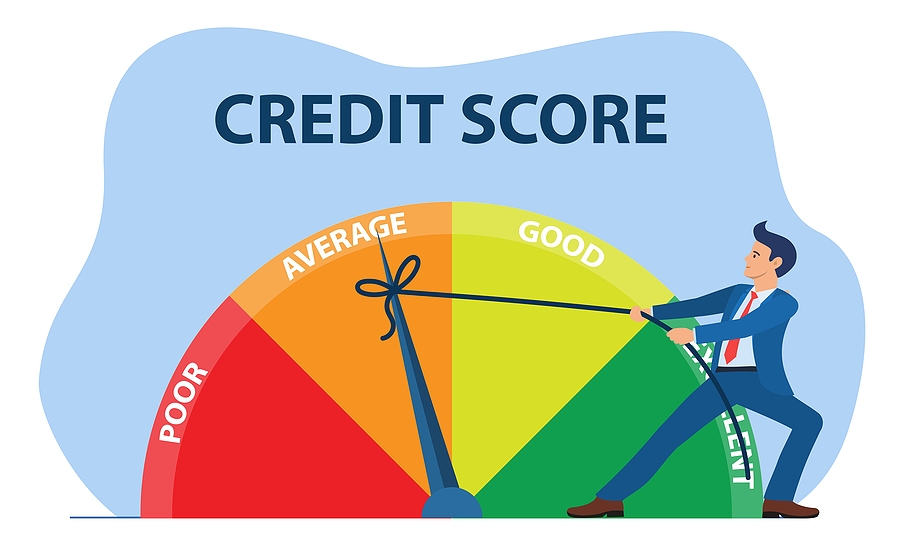
Owning a home might feel like an unreachable goal if you have bad credit, but it’s far from impossible. While a low credit score can limit your options and increase borrowing costs, there are mortgage lenders New Jersey that specialize in working with borrowers in less-than-perfect financial situations. By understanding your options and taking proactive steps, you can find lenders willing to work with you and potentially secure a path to homeownership. Here’s how to navigate the process.
Understanding Credit Scores and Their Impact on Mortgages
Before diving into where to find lenders, it’s important to understand how credit scores influence mortgage approval. Credit scores typically range from 300 to 850, and higher scores reflect better financial reliability. A low credit score (usually below 620) signals greater risk to lenders, which can result in:
- Higher interest rates.
- Larger down payment requirements.
- Limited access to conventional loan programs.
However, bad credit doesn’t mean you’re automatically disqualified. Many lenders focus on factors beyond your score, such as income, employment history, and savings, which can work in your favor.
Types of Mortgage Lenders for Bad Credit Borrowers
Here are the types of lenders that cater to borrowers with poor credit:
FHA-Approved Lenders:
FHA (Federal Housing Administration) loans are specifically designed to help lower-credit borrowers. With a credit score as low as 500, you can still qualify for an FHA loan if you meet other requirements.
Minimum credit score: 580 for a 3.5% down payment or 500 with a 10% down payment.
VA Lenders:
If you’re a veteran or active-duty service member, VA (Department of Veterans Affairs) loans offer a great option. Many VA lenders are flexible with credit requirements.
Minimum credit score: Varies by lender, but usually 580–620.
USDA Lenders:
USDA (U.S. Department of Agriculture) loans are for rural and suburban homebuyers with low-to-moderate incomes. They often accept lower credit scores.
Minimum credit score: Typically 640, but some lenders may make exceptions.
Subprime Lenders:
Subprime lenders specialize in working with individuals with poor credit scores. These loans come with higher interest rates but can provide access to funding when other options are limited.
Credit Unions:
Local credit unions are often more lenient than big banks. As member-owned institutions, they may evaluate you based on a holistic view of your financial picture.
Online Lenders:
Many online-only lenders use advanced technology to assess borrowers and may be more willing to take risks. Their streamlined processes often result in faster approvals.
How to Find Mortgage Lenders That Accept Low Scores
Start with Government-Backed Loan Programs: Government-insured loans like FHA, VA, and USDA mortgages are the most accessible for bad credit borrowers. Start by searching for approved lenders on the FHA, VA, or USDA websites.
- Use Online Marketplaces: Websites like LendingTree or Credible allow you to compare mortgage lenders and their requirements. Many of these platforms include lenders specializing in low-credit borrowers.
- Contact Local Credit Unions: Unlike traditional banks, credit unions may be more understanding of your unique situation and offer personalized guidance.
- Seek Recommendations: Ask friends, family, or your real estate agent for referrals to lenders who have experience working with borrowers in similar financial situations.
- Research Subprime Lenders Carefully: If exploring subprime lenders, do your due diligence. Read reviews, check for complaints with the Better Business Bureau, and ensure the lender is reputable.
- Work with a Mortgage Broker: Mortgage brokers have access to a wide range of lenders and can help match you with one that suits your credit profile.
Tips to Strengthen Your Mortgage Application
Even if your credit score is low, there are steps you can take to boost your chances of approval:
- Increase Your Down Payment: A larger down payment reduces the lender’s risk and demonstrates your commitment. Aim for at least 10% or more if possible.
- Demonstrate Financial Stability: Provide documentation showing consistent income, stable employment, and savings. Strong financials can help offset a lower credit score.
- Reduce Existing Debts: Lowering your debt-to-income (DTI) ratio by paying down credit cards and loans improves your application’s appeal.
- Add a Co-Signer: If possible, ask a family member with strong credit to co-sign your mortgage. This gives lenders added confidence in your ability to repay.
- Explain Your Situation: If your low credit score is due to extenuating circumstances (e.g., medical bills, divorce), provide a written explanation to the lender. Many are willing to consider the context.
Avoiding Predatory Lenders
While searching for lenders that accept low credit scores, be cautious of predatory practices. Warning signs include:
- Excessively high interest rates and fees.
- Pressure to sign quickly without fully understanding terms.
- Promises of guaranteed approval, regardless of credit.
- Always read the loan agreement thoroughly and consult a trusted advisor or attorney before committing.
Conclusion
Bad credit doesn’t have to stand in the way of your dream of homeownership. By exploring government-backed programs, credit unions, and alternative lenders, you can find mortgage options tailored to your situation. Pairing this search with strategic steps to strengthen your application—like increasing your down payment or reducing your debts—can significantly improve your chances. With persistence and careful planning, you’ll be on your way to securing a home loan that works for you. Find all the information you need about home financing and mortgage options at Allmortgagedetail.com your trusted guide to smarter borrowing.