From Chatbots to Cognitive Agents: The Rise of Agentic AI

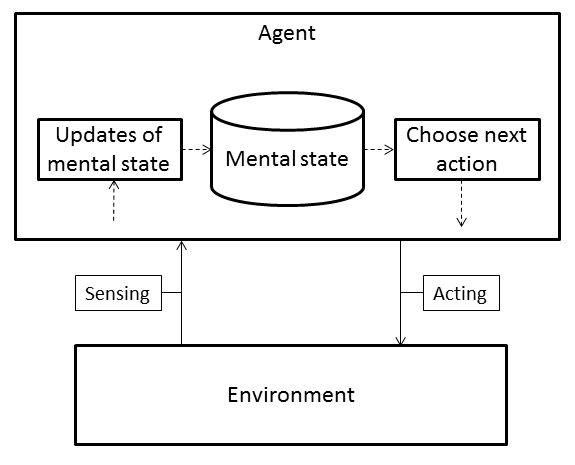
Agentic AI marks the shift from reactive tools to autonomous digital teammates that can reason, plan, and act independently. Unlike traditional AI, it understands goals, connects systems, and learns from results to complete complex tasks. Powered by advances in computing, cloud APIs, and memory frameworks, Agentic AI boosts both personal productivity and business efficiency. However, its autonomy also raises challenges around security and accountability. The future lies in balancing intelligent automation with responsible human oversight.

Open-Source vs Proprietary AI: Which One Saves You More Money?

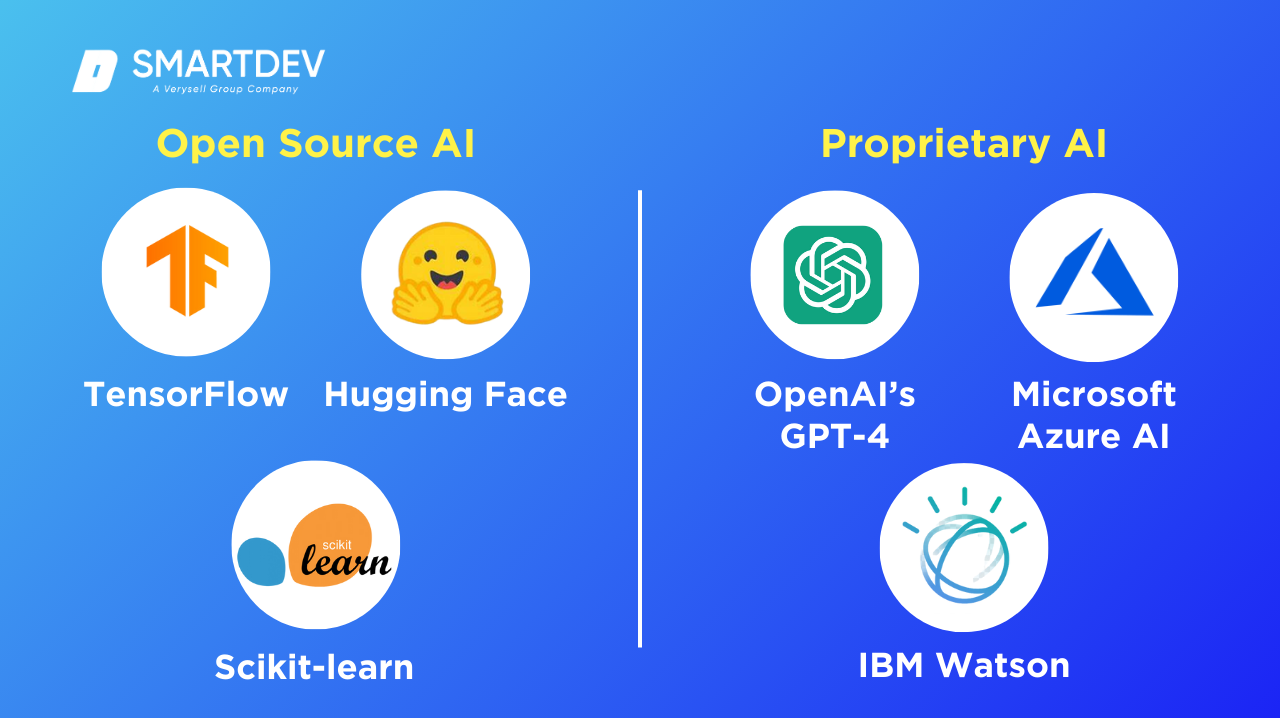
This article explores the financial trade-offs between using open-source and proprietary AI tools when building AI-powered products. While open-source models like LLaMA, Mistral, and Falcon offer flexibility and long-term cost savings—especially for high-volume or privacy-sensitive applications—they require significant infrastructure, expertise, and setup time. On the other hand, proprietary solutions such as GPT-4, Claude, and Gemini provide fast deployment, scalability, and enterprise-grade features at a higher recurring cost. Through cost comparisons, use-case breakdowns, and real-world insights, the article helps businesses decide which option—open-source, proprietary, or hybrid—offers the best return on investment based on their goals, technical readiness, and growth stage.

Young business woman checking AI-Agent-in-product-recommendation

Beyond Algorithms: How AI Agents Are Reshaping Personalized Recommendations 

This article explores how AI agents are revolutionizing personalized product recommendations, moving beyond traditional algorithms to deliver real-time, contextual, and human-like experiences. Drawing on real-world examples and client case studies, it contrasts outdated rule-based systems with adaptive, multi-agent architectures that drive measurable outcomes such as increased engagement, higher order values, and reduced sales cycles. The piece outlines the key components of a modern AI recommendation engine—Orchestration, Data Integration, Analytics, Personalization, and Content Agents—while offering a practical implementation roadmap. It also highlights emerging trends like hyperautomation, decision intelligence, and multi-channel coherence. Finally, it addresses common challenges such as data silos and legacy tech, providing actionable insights for businesses ready to turn product complexity into customer clarity.