

Best AI Therapy Chatbot Development Companies for Mental Health Apps in 2026
The Mental Health Crisis Created a Market. AI Is Filling the Gap. Nearly 970 million people worldwide live with mental health disorders. […]
The Mental Health Crisis Created a Market. AI Is Filling the Gap. Nearly 970 million people worldwide live with mental health disorders. […]

Building a social media platform for AI agents looks similar to traditional social networks on the surface, but the underlying data engineering is fundamentally different. This article examines four core challenges unique to this category: handling content generation volumes that don’t follow human posting patterns, managing agent memory as a storage and retrieval problem rather than just an AI feature, generating real-time feeds from a constantly shifting content pool, and distinguishing authentic agent behavior from coordinated abuse at scale. Drawing on lessons from Moltbook’s early growth and security failures, the piece argues that streaming architecture, layered storage, incremental computation, and behavioral data collection built in from day one are what separate platforms that scale from those that collapse under their own novelty. The conclusion is clear: in this category, the data engineering — not the AI character design — is what ultimately determines whether a platform survives past launch.

AI moderation systems in 2026 go far beyond simple content filters. Effective moderation requires a multi-layered approach that includes pre-deployment reviews, real-time output filtering, and compliance infrastructure to ensure safety, accountability, and regulatory readiness. This guide explores how modern AI moderation systems are built, the compliance obligations businesses face, and the common gaps that leave AI platforms vulnerable to operational, legal, and reputational risks.

AI companion platforms are becoming more competitive as users now expect far more than basic chatbot replies. People want realistic conversations, better […]
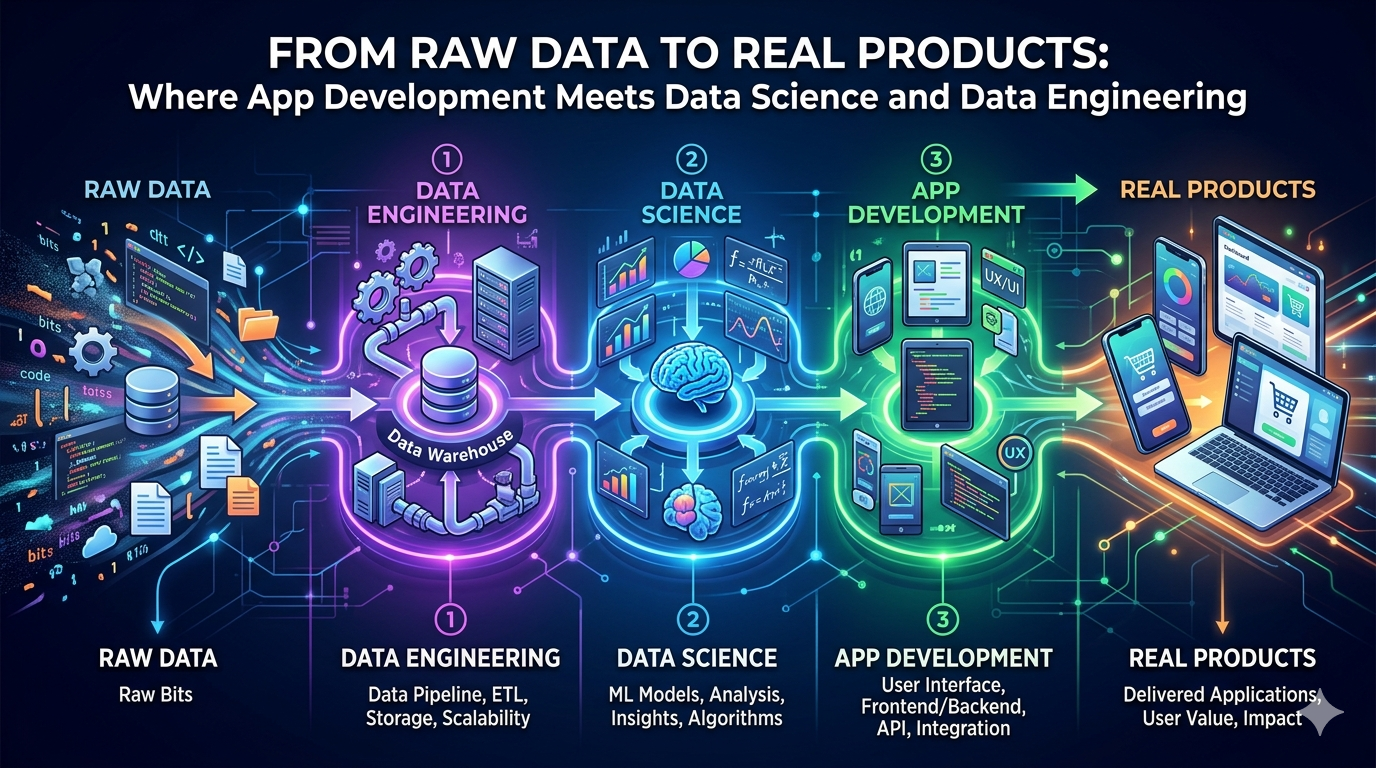
The line between app development and data science is no longer a line — it is a convergence. This article explores how the most competitive apps being built in 2026 are designed as data machines from the ground up, with data engineering and data science embedded into the product from day one rather than added as an afterthought. From event tracking architecture and data pipelines to personalisation engines and predictive churn modelling, the piece breaks down what a data-first development approach actually looks like in practice. For startup founders and CTOs, the core argument is clear — the technical foundation built in the first six months will either accelerate or constrain every data capability the product needs to compete in the years ahead.

Getting started with AI companions can feel confusing at first, especially if we are new to digital tools that seem advanced. However, […]

When I first came across OpenCharacter, I wanted to see whether it actually delivers what it promises. That’s why this article focuses […]
The rapid integration of artificial intelligence and data-driven technologies has significantly transformed modern software systems, introducing new levels of complexity and scalability challenges. While organizations continue to invest in advanced AI models and data pipelines, the importance of maintaining a clean and structured codebase often remains underestimated. This article explores how code quality directly impacts the performance, reliability, and scalability of AI-powered applications. It highlights the growing burden of technical debt in data-centric architectures and explains how structured optimization approaches such as Vibe Coding Cleanup Services help organizations refactor, streamline, and future-proof their systems. Additionally, the discussion emphasizes how clean code enables seamless integration of advanced technologies like Claude AI solutions, ensuring long-term adaptability and operational efficiency.

Modern background verification systems have evolved into dynamic data engineering ecosystems powered by real-time pipelines, API orchestration, and AI. This article examines how fragmented data is ingested, transformed, and processed through scalable ELT pipelines and streaming frameworks, while highlighting the role of APIs and real-time processing in enabling faster, more accurate decisions. It also shows how organizations can use an advanced background check solution to build intelligent, compliant, and continuously adaptive verification systems.
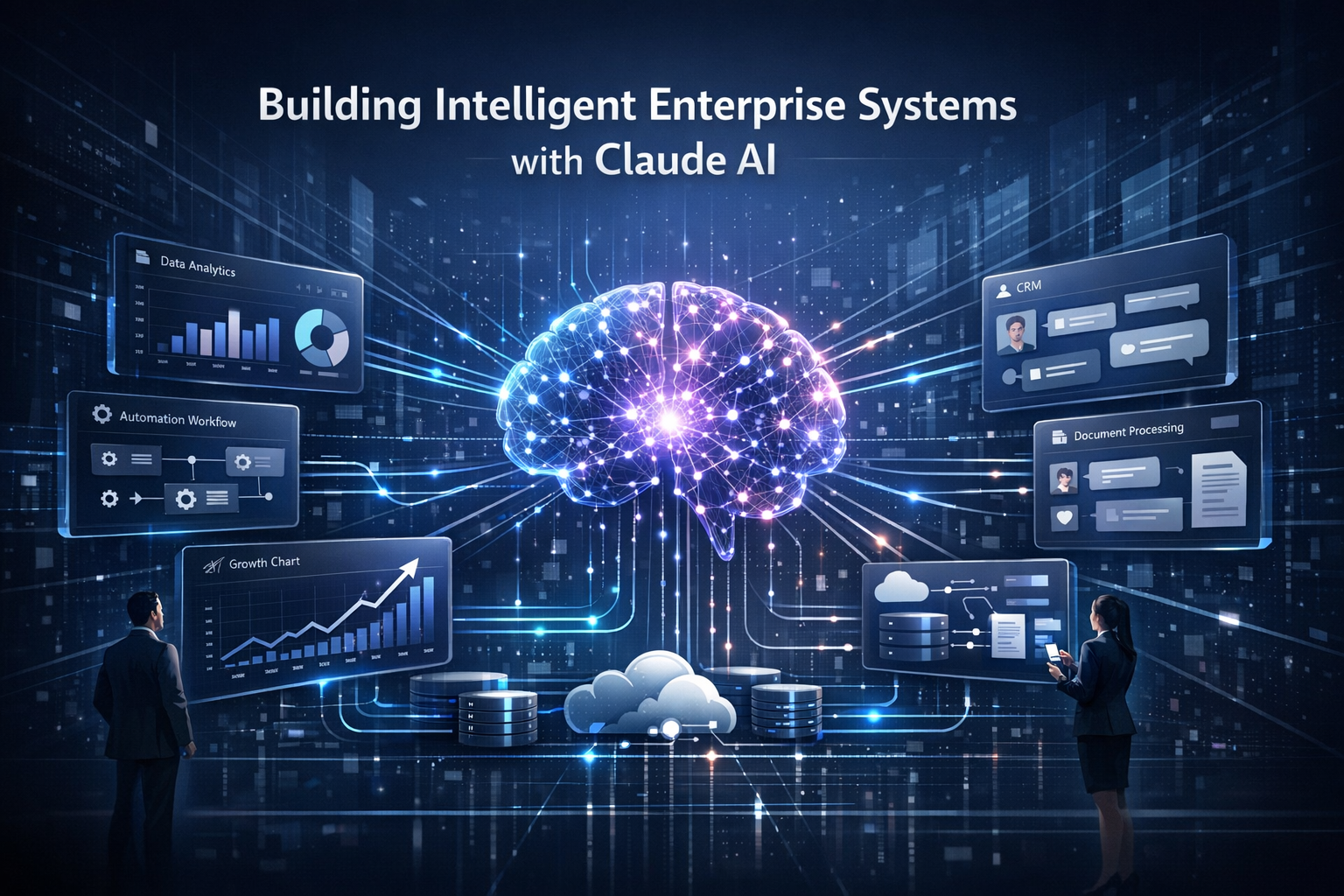
Artificial intelligence has transitioned from an experimental technology into a critical component of modern enterprise infrastructure. Organizations across industries are integrating AI […]

Learn how to choose hosting in AI era with our expert guide. Discover trusted AI hosting solutions, cloud AI services, and ensure seamless performance.