
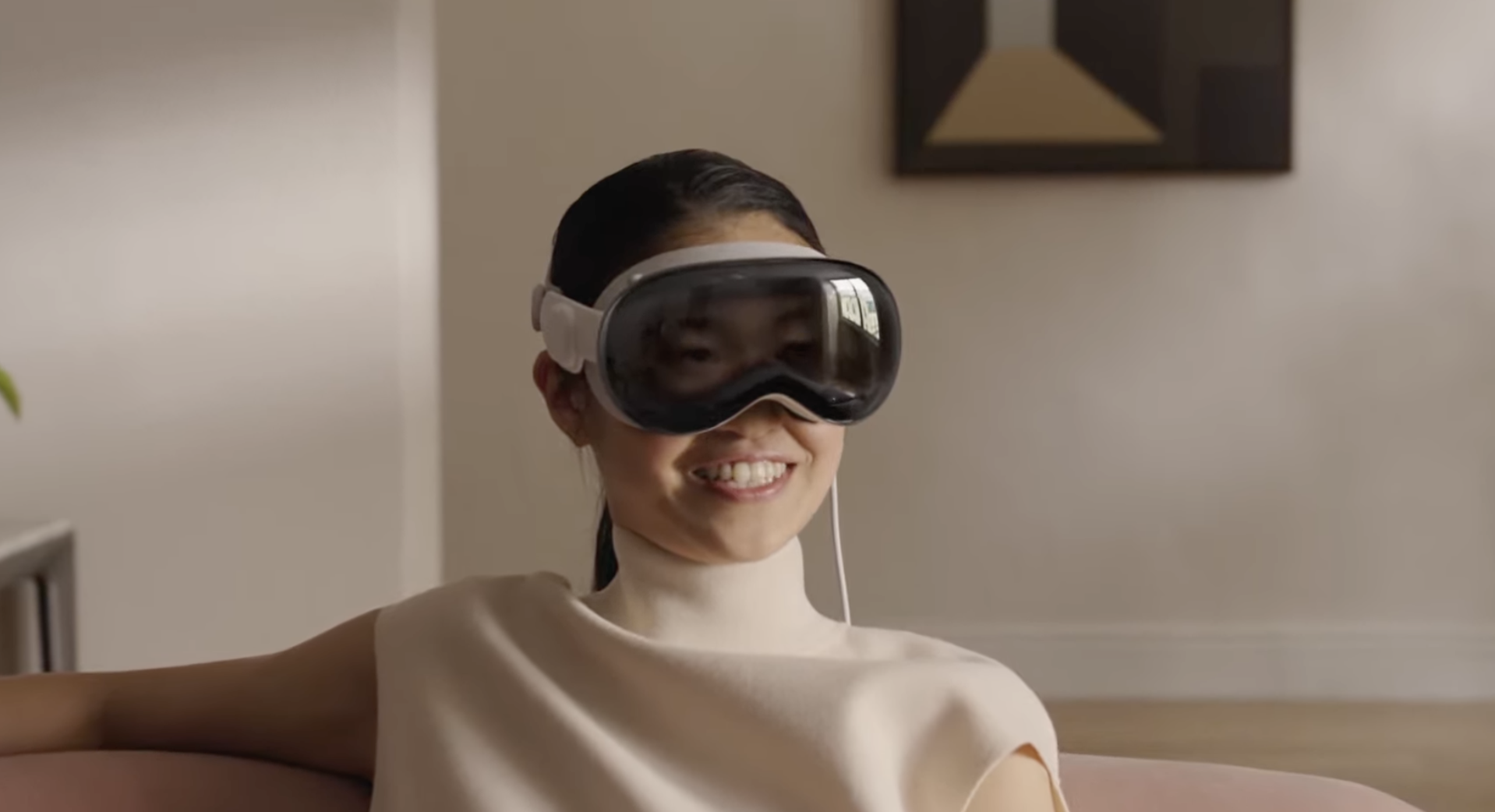
In today’s increasingly digital world, augmented reality (AR) has emerged as a powerful tool that can revolutionize how children develop social skills. By blending the virtual and real worlds, AR provides a new dimension of interaction that can enhance communication, collaboration, empathy, and other essential social abilities. In this blog post, we will explore the potential of AR in fostering social skills development in children, highlighting its benefits and discussing practical applications in various contexts.
-
Understanding Social Skills Development: Introduce the concept of social skills development in children and its importance in their overall growth and well-being. Discuss key skills such as communication, empathy, cooperation, problem-solving, and emotional intelligence. Emphasize how these skills form the foundation for positive relationships and future success.
-
The Power of Augmented Reality: Explain the unique capabilities of augmented reality that make it a valuable tool for social skills development. Discuss how AR can create immersive and interactive experiences, providing children with opportunities to engage in realistic simulations, role-playing scenarios, and collaborative activities. Highlight how the element of “presence” in AR can enhance social interactions and empathy.
-
Enhancing Communication and Collaboration: Explore how AR can facilitate communication and collaboration among children. Discuss AR applications that promote verbal and non-verbal communication skills, such as virtual chatrooms, shared virtual spaces, or AR storytelling. Explain how collaborative AR experiences can encourage teamwork, negotiation, and problem-solving abilities.
-
Fostering Empathy and Perspective-Taking: Discuss how AR can enable children to see the world from different perspectives, fostering empathy and understanding. Highlight AR applications that simulate diverse cultural experiences, historical events, or empathy-building scenarios. Explain how these experiences can broaden children’s horizons, cultivate empathy, and encourage tolerance and acceptance of others.
-
Practicing Social Interactions in a Safe Environment: Explain how AR can create a safe and controlled environment for children to practice social interactions. Discuss AR simulations that allow children to rehearse social situations, such as public speaking, conflict resolution, or meeting new people. Emphasize the value of learning from virtual experiences and building confidence before real-life encounters.
-
Addressing Special Needs and Inclusion: Explore how AR can support children with special needs in developing social skills. Discuss AR applications that provide personalized and adaptive experiences, catering to individual learning styles and abilities. Highlight the potential of AR in promoting inclusion by creating equal opportunities for participation and engagement.
-
Augmented Reality and Social Learning Platforms: Discuss the integration of AR into social learning platforms designed specifically for children. Highlight platforms that combine educational content, interactive activities, and social interactions in an AR environment. Explain how these platforms can provide a holistic approach to social skills development, combining learning, practice, and real-time feedback.
-
Ethical Considerations and Responsible Use: Address the ethical considerations associated with AR and social skills development in children. Discuss privacy concerns, content moderation, and responsible use of AR technologies. Highlight the importance of parental guidance, age-appropriate content, and ensuring a balance between virtual and real-world interactions.
That being said, it is very important to give outdoor education and physical activities the same level of importance. Outdoor activities can have a major positive impact on the development of social skills, such as sharing, negotiating, and problem-solving. It is very important to plan a gathering every once in a while that will allow children to practice these skills in a healthy and safe environment. You can also rent out some interactive games like the bounce house rentals RI to make the outdoor gathering, even more, fun and exciting.
Augmented reality opens up a new dimension of interaction for children, providing innovative opportunities for social skills development. By leveraging the immersive and interactive nature of AR, children can enhance their communication, collaboration, empathy, and perspective-taking abilities. As AR continues to evolve, it is essential to explore its potential applications, while also ensuring responsible use and prioritizing children’s well-being. By embracing AR as a tool for social skills development, we can shape a future where children thrive socially and emotionally in our increasingly digital world.