
Introduction
Partner channels have become central to organizational growth, with 78% of technology companies now relying on channel partners for significant revenue. Yet partner onboarding remains stubbornly manual and time-consuming across most organizations. Traditional processes take 45-90 days, consume substantial internal resources, and often result in inconsistent partner preparation. This operational friction delays partner productivity, frustrates partners expecting modern experiences, and limits channel expansion.
A new generation of intelligent partner onboarding solutions—often called partner onboarding suites—is transforming how organizations integrate partners into their ecosystems. These comprehensive platforms combine AI-driven qualification, personalized learning, automated compliance, and predictive success modeling. Unlike point solutions addressing isolated onboarding elements, partner onboarding suites provide unified, intelligent systems orchestrating the entire partner integration process.
Organizations implementing advanced partner onboarding suites report remarkable improvements: 60-75% reduction in onboarding timelines, 35-50% improvement in partner first-year productivity, and 40-60% reduction in operational overhead. More significantly, these platforms fundamentally change partner quality and success rates through intelligent partner selection, personalized enablement, and proactive support.
Understanding how modern partner onboarding suites work and what capabilities are redefining channel programs has become essential knowledge for channel leaders focused on building scalable, profitable partner ecosystems.
What Is a Partner Onboarding Suite?
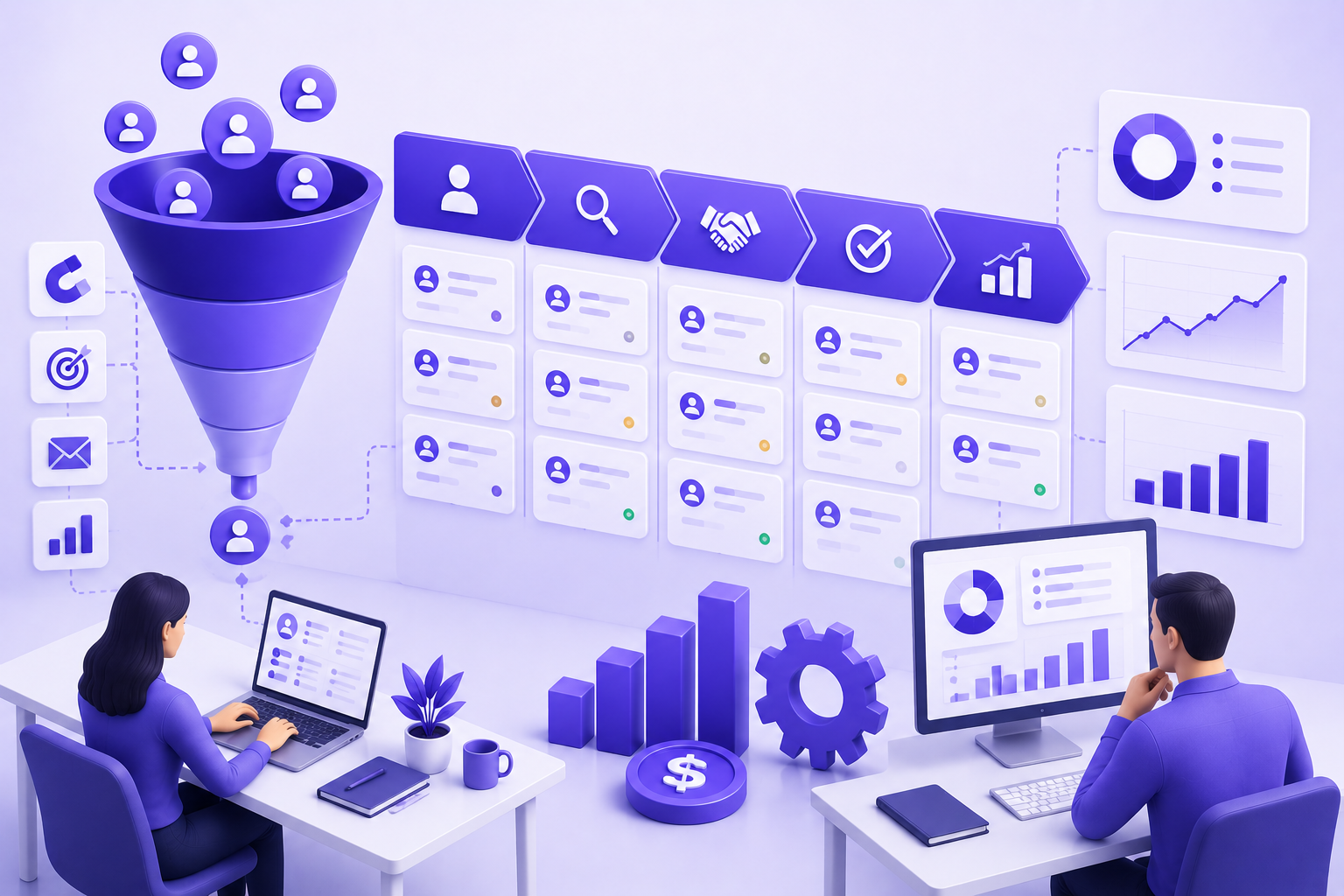
A partner onboarding suite is an integrated software platform combining AI-driven capabilities for partner qualification, training, certification, operational setup, and success prediction. These comprehensive solutions automate and intelligently manage the entire partner integration process—from application through productivity achievement—using machine learning, natural language processing, and workflow automation. Unlike point solutions, onboarding suites provide unified platforms handling all onboarding requirements within coordinated systems.
Defining the Comprehensive Platform Approach
A partner onboarding suite differs fundamentally from traditional onboarding tools by providing integrated, intelligent systems rather than disconnected components. Traditional approaches involve scattered tools: one platform for partner applications, another for training, separate compliance management, disconnected reporting. Each component operates independently, requiring manual coordination and creating data silos.
Partner onboarding suites consolidate these functions into unified platforms with shared data models and intelligent orchestration. Information flows automatically between components—partner qualification data informs training recommendations; training completion triggers certification; success metrics feed back into system refinement. This integration eliminates manual handoffs while enabling data-driven decision-making across the entire partner lifecycle.
The intelligence dimension distinguishes modern suites from basic workflow tools. Rather than simply automating manual processes, AI-powered platforms actively learn from partner data to improve outcomes. Machine learning models identify which partner characteristics predict success, recommend optimal training approaches, predict likely challenges, and suggest preventive interventions. This continuous improvement capability means each partner cohort benefits from lessons learned from previous partners.
Core Components of a Partner Onboarding Suite
Effective partner onboarding suites integrate multiple functional components operating as coordinated systems. The partner qualification component handles application processing, document verification, and partner viability assessment. Rather than manual review, AI systems analyze applications against defined criteria, assess risk, and identify fast-track candidates versus those requiring enhanced scrutiny. Natural language processing extracts information from documents automatically, comparing against requirements and flagging inconsistencies.
The training and enablement component provides personalized learning pathways. Rather than one-size-fits-all curricula, AI analyzes partner background and role requirements to recommend optimal training sequences, modalities, and content. The system tracks progress, identifies struggling partners, and recommends supplemental resources. Adaptive learning adjusts difficulty and pacing based on comprehension signals.
The certification and compliance component manages skills verification and regulatory requirements. Automated assessments evaluate competency across required domains. Compliance training is scheduled intelligently based on partner readiness. Certification status is tracked with renewal management, and audit trails document compliance for regulators.
The operational readiness component handles system access provisioning, account setup, and operational integration. Once partners meet prerequisites, access is automatically provisioned across required systems. Integration with partner management systems ensures smooth transition from onboarding to ongoing management.
The analytics and success prediction component monitors partner progress and predicts outcomes. Real-time dashboards show onboarding completion, engagement levels, and readiness signals. Predictive models estimate partner success likelihood, identify at-risk partners, and recommend support interventions.
How AI-Powered Partner Onboarding Suites Work
Partner onboarding suites operate through intelligent workflows: AI-powered qualification analyzing partner applications against defined criteria, personalized learning path generation based on partner analysis, automated compliance and certification management, real-time progress monitoring with predictive interventions, and continuous system improvement based on partner outcomes. The entire process is orchestrated automatically with minimal manual intervention.
The Intelligent Qualification Process
When partners apply to join a channel program, the suite’s qualification component springs into action. AI systems analyze application information, submitted documents, and partner background against multiple criteria simultaneously. Rather than sequential manual review, machine learning models evaluate fit across financial viability, market opportunity, competitive positioning, regulatory compliance, and capability alignment.
The system assigns risk scores based on patterns learned from historical partner data. High-performing organizations have typically seen certain characteristics in successful partners—particular experience profiles, geographic focus, customer base characteristics, or organizational maturity indicators. The AI identifies these patterns and scores new applicants accordingly. Low-risk, fast-track partners receive expedited processing. Higher-risk applicants flag for enhanced review.
Document processing accelerates qualification by automating information extraction. When partners upload certifications, licenses, financial statements, or insurance documents, optical character recognition and natural language processing extract relevant information automatically. The system verifies credentials against external databases where available, checks dates for currency, and flags inconsistencies. A financial statement might automatically extract key metrics—revenue, growth rate, profitability—comparing them against program requirements.
This intelligent qualification typically reduces decision timelines from 2-3 weeks to 2-3 days while improving decision quality through consistent, data-driven assessment rather than subjective human judgment.
Personalized Partner Learning Paths
Once qualified, partners enter the learning phase. Traditional approaches assign all partners to identical curricula regardless of background or role. Advanced suites use AI to generate personalized learning pathways.
The system analyzes partner team composition, experience levels, role requirements, and learning preferences. A partner with deep technical expertise might skip foundational technical training but require sales methodology content. A partner with strong sales background might focus on product knowledge and implementation details. The system creates customized learning sequences reflecting these differences.
Machine learning extends beyond static customization to adaptive learning. As partners progress through training, the system monitors comprehension through assessments, quizzes, and interaction patterns. If a partner struggles with a particular topic, the system recommends supplemental resources or alternative explanations. If a partner masters content quickly, the system accelerates progression to advanced topics. This adaptive approach optimizes learning efficiency and outcomes.
Content recommendation engines suggest which training modules offer highest value for specific partner profiles. The system analyzes which training elements correlate with partner success outcomes—which certifications matter most, which sales methodology techniques drive results, which product knowledge areas impact customer satisfaction. Partners receive recommendations emphasizing high-impact content while reducing irrelevant material.
Automated Compliance and Certification
Regulatory requirements and certifications are critical for partner enablement yet challenging to manage manually at scale. Partner onboarding suites automate this complexity.
Compliance requirements are configured by geography, industry, and partner type. When a partner joins, the system identifies applicable compliance training automatically. Required certifications are scheduled intelligently—when partners show readiness rather than forcing premature certification attempts. The system tracks certification currency, calculates renewal timelines, and schedules refresher training before expiration.
Assessment automation handles skills verification. Rather than manual evaluation, the system administers assessments measuring competency across defined domains. Pass/fail decisions are determined by predefined rubrics ensuring consistency. Assessment results feed into success prediction models, identifying which competency areas most impact partner performance.
Audit trail automation documents everything for compliance purposes. Every training completion, assessment result, and certification is timestamped and stored with complete audit trails. When regulators ask whether specific partners completed required training, the system provides comprehensive documentation immediately.
Real-Time Monitoring and Predictive Intervention
Throughout onboarding, sophisticated monitoring systems track partner progress. Dashboards show completion rates for each onboarding element, training engagement levels, assessment performance, and readiness signals. Managers have real-time visibility into which partners are progressing smoothly and which may need support.
Predictive models identify at-risk partners before problems become critical. Machine learning analyzes engagement patterns, training completion trajectories, and assessment performance against models of successful partner onboarding. Partners showing patterns associated with onboarding failure trigger alerts. A partner completing 40% of required training by week two might be on track; the same progress at week four signals potential struggle. The system recommends interventions—additional support, schedule adjustments, alternative learning approaches—before partners disengage.
Why Partner Onboarding Suites Matter
Partner onboarding suites matter because they address the fundamental challenge of scaling partner channels: enabling organizations to dramatically grow partner networks while improving partner quality and success rates. They eliminate onboarding as a bottleneck constraining channel growth, reduce operational overhead associated with partner enablement, and improve partner outcomes through intelligent, data-driven approaches replacing manual, ad-hoc processes.
Enabling Channel Scalability
The core value proposition of partner onboarding suites is enabling channel scalability. Organizations face a fundamental constraint with manual onboarding: as partner networks grow, onboarding overhead grows proportionally. A company managing 50 partners with a dedicated onboarding coordinator might reach 150 partners before requiring a second person. Onboarding suites break this linear constraint.
By automating 70-80% of onboarding tasks, suites enable exponential scaling. Organizations can grow from 50 to 500 partners without proportional staff increases. The automation handles routine administration—document collection, form processing, training scheduling, compliance tracking—while humans focus on strategic support and relationship-building. This enables channel expansion without budget explosion.
Improving Partner Quality and Success
Beyond efficiency, suites fundamentally improve partner quality and success through intelligent selection and enablement. Predictive partner qualification ensures organizations onboard partners with genuine success potential. Machine learning identifies which characteristics predict successful partners, enabling more objective, consistent selection decisions.
Personalized enablement ensures each partner receives training and support optimized for their specific needs and learning style. Rather than forcing all partners through identical curricula, customized pathways improve learning efficiency and outcomes. Partners complete onboarding with greater competency and confidence.
Real-time monitoring with predictive intervention enables proactive support. Rather than discovering partner struggles after they’ve disengaged, the system identifies issues early and triggers support. This dramatically improves partner success rates and reduces partner churn.
Building Scalable Compliance Infrastructure
Compliance management at scale is virtually impossible manually. Partner onboarding suites automate this through intelligent requirement management and verification. Systems maintain audit trails proving compliance for regulators, automatically track certification requirements and renewals, and adapt requirements as regulations change.
This automated compliance infrastructure is particularly valuable for regulated industries. Rather than manual verification requiring hours of staff time per audit, documentation is generated automatically. This reduces audit risk while improving operational efficiency.
Real-World Implementation Impact
Global Software Vendor
A leading enterprise software company with 300+ resellers globally faced partner onboarding bottlenecks. Manual processes took 60-90 days per partner, consuming 25% of a five-person channel operations team. The company implemented a partner onboarding suite with AI qualification, personalized training, and compliance automation.
Results within six months: onboarding time reduced from 75 days to 20 days (73% reduction); channel team time reduced to 8% of total workload; able to increase reseller count from 300 to 480 without adding staff; partner satisfaction with onboarding improved from 3.2/5 to 4.6/5; partner first-year revenue productivity improved 40%.
The company estimated $2M+ annual value from staff time savings and productivity acceleration.
Technology Integration Partner Network
An integration-focused technology company managing 150 partners struggled with inconsistent partner quality and varying success rates. Partners had different capability levels and varying time-to-productivity. The company deployed a partner onboarding suite with predictive success modeling and personalized enablement.
Within one year: partner success rate improved from 65% to 85%; time-to-productivity decreased from 8 months to 5 months; partner-to-partner variance in performance decreased 35%; able to identify and support at-risk partners proactively.
The suite’s ability to identify successful partner characteristics through machine learning enabled the company to improve partner selection, directly improving cohort quality.
Key Takeaways
✅ Partner onboarding suites combine AI-driven qualification, personalized training, automated compliance, and success prediction into unified platforms orchestrating entire partner integration processes.
✅ Organizations implementing partner onboarding suites achieve 60-75% reduction in onboarding timelines, 35-50% improvement in partner productivity, and 40-60% reduction in operational overhead through intelligent automation.
✅ AI capabilities enable objective partner qualification, customized learning pathways, automated compliance management, and proactive identification of at-risk partners improving partner selection and success.
✅ Suites enable channel scalability by automating routine onboarding tasks, allowing organizations to dramatically expand partner networks without proportional staff increases.
✅ Real-world implementations demonstrate consistent improvements in partner quality, success rates, operational efficiency, and partner satisfaction across diverse industries and channel models.
✅ Future evolution points toward greater autonomy, deeper ecosystem integration, and real-time partner performance optimization requiring continuous channel strategy adaptation.
Conclusion
Partner onboarding suites represent the next evolution in channel partner management. By combining comprehensive automation with intelligent decision-making, these platforms solve fundamental constraints limiting channel growth. Organizations can now expand partner networks dramatically while improving partner quality and success—outcomes previously requiring choosing between scale and quality.
The technology has matured to the point where implementation is increasingly straightforward. Cloud-based delivery, pre-built templates, and vendor-managed infrastructure reduce implementation barriers. The challenge is no longer technical feasibility but organizational commitment to modernizing partner enablement.
As partner channels become increasingly central to organizational strategy, the ability to efficiently onboard, train, and support partner networks at scale becomes critical competitive advantage. Organizations investing in advanced partner onboarding suites now position themselves to outpace competitors still relying on manual, inefficient onboarding processes. The future belongs to organizations that can scale partner success, not just partner count.