

Like every coin has a flip side to it, new artificial intelligence (AI) technology has pros and cons affecting different industries. Recently, software development companies have been facing the brunt of digital threats. It has now become imperative to get acquainted with the recent cybersecurity practices reflected in AI-powered malware detection, relying on artificial intelligence to combat harmful software before it disrupts the software application and its associated elements. The innovative AI technology maintains transparency in threat detection while encouraging the development team to fearlessly work on software creation by embedding security protocols during development.
AI-driven solutions seek to trust in machine learning algorithms backed by advanced data analytics, altogether evaluating the extensive code, and user behavior datasets, and detect anomalies, that may be missed with traditional methods. The upgrade in AI-based malware detection practices in cybersecurity serves as a strong defense against protecting sensitive data and retaining software system integrity.
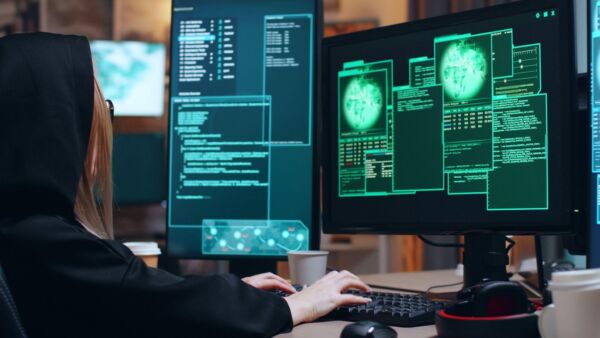
How AI is Transforming Malware Detection
AI is bringing a revolution in malware detection. It’s making it faster, more accurate, and just overall a lot more efficient when it comes to spotting harmful software:
-
Real-Time Analysis: Thanks to machine learning models, AI can analyze incoming data in real-time. This means potential threats can be identified and dealt with right away, which helps cut down on how long systems are vulnerable.
-
Behavioral Analysis: AI can keep an eye on how applications and users behave, so it can catch weird activities that might hint at malware.
-
Automated Threat Response: AI can automatically respond to detected threats, like isolating infected systems or blocking malicious traffic, which really boosts the overall security of organizations.
-
Reduced False Positives: By using clever algorithms, AI helps cut down on false alarms in malware detection, letting security teams concentrate on real threats instead of getting affected by countless notifications.
-
Integration with Existing Security Frameworks: AI fits right into existing cybersecurity systems, enhancing what’s already functional without needing a complete system overhaul. Leveraging AI agent development services can further strengthen these capabilities, ensuring smarter and more adaptive threat detection.
What is the Process for Malware Analysis with AI
So, when it comes to analyzing malware with AI, it’s not just a one-size-fits-all deal. It’s a pretty detailed process that uses some advanced algorithms and machine learning to spot, break down, and deal with malicious software:
-
Data Collection: First, you need to gather some malware samples. This could be anything from miscellaneous files, or data being utilized in daily operations. You can extract data from a bunch of places, like honeypots, user reports, or threat intelligence feeds.
-
Static Analysis: Next, check out the malware without actually running it. Use some tools to look at things like file size, structure, and any hidden strings. This helps you spot any known signatures and characteristics of the malware.
-
Energetic Analysis: Here, run the malware in a safe space, like a sandbox. During this phase, keep an eye on how the malware behaves such as changes it makes to the files or what it tries to do online. AI can help out by automating the detection of any weird behavior.
-
Behavioral Analysis: AI algorithms can dive into the data you collected during the energetic analysis to pick out patterns and typical behaviors of the malware. You can even train machine learning models on what known malware does to boost detection rates and cut down on false alarms.
-
Feature Extraction: Here’s where AI comes into play to pull out important features from the malware samples. This could be API calls, changes to files, or network traffic patterns. These features are super important for building models that help figure out and predict different types of malware.
-
Reporting and Mitigation: Finally, wrap things up by compiling reports that outline what the malware can do, its potential impact, and how to tackle it. AI can step in to help automate this reporting and give some actionable insights for cybersecurity teams.

How Significant is Cybersecurity in Software Development?
Cybersecurity as a service has become mandatory for developing quality software applications. Adhering to cybersecurity practices is critical across different phases of software design, development, and maintenance. Working in sync with the security measures creates a safe platform for the software applications to flourish and function without glitches. The cybersecurity elevated with the power of AI can spot and fix potential weaknesses before they disrupt the core functions of the application. Keeping the development phase intact with security measures can deal with vulnerabilities just in time. This proactive approach to cybersecurity in software development helps keep sensitive data and user privacy safe.
Setting up a practical cybersecurity strategy involves security assessments, code reviews, and penetration testing to stand strong against emerging threats and shield the software products. Knowing a software application is bound by cybersecurity standards increases user trust and credibility for long-term success.
Here are some industry examples showcasing AI for Real-Time Cyber Threat Intelligence:
Financial Services: Customer data is gold for banks and financial institutions. With the support of AI-driven platforms, it is now possible to manage and analyze extensive data in real-time. That’s how odd patterns in fraudulent activities are identified early with prompt alerts.
Healthcare Sector: Patient privacy and medical secrets are an integral part of the daily functioning of healthcare providers. AI innovative technologies strategize protective patterns to protect against data breaches and also adhere to standard health regulations while ensuring safety of sensitive data in the hospitals.
E-commerce Platforms: With AI, e-commerce platforms can spot and tackle cyber threats much faster. At this speed, incidents can be highlighted in the forefront, transparency is maintained amongst the tech teams, and solutions to mitigate the potential harm are devised to boost customer trust. By keeping an eye on network traffic, user activity, and new cyber threats, AI tools give businesses the insights they need to act fast if a breach occurs.
Telecommunications: Telecom companies are showing trust in AI mechanisms to monitor their networks for signs and signals of cyber threats. These systems are agile in analyzing call data and network traffic, bringing transparency to unmask potential breaches or service interruptions.
Government Agencies: Government agencies are always under the purview of threats and unpredictable digital attacks. Hence, using AI optimally can provide real time insights on cyber threats, and the cybersecurity team can accordingly plan solutions to safeguard the vast infrastructure to retain national security.
Overall, when it comes to the development of software applications, it is wise to switch to AI-powered solutions to combat unpredictable cyber threats. The potential threats can be identified and mitigated with machine learning algorithms and advanced data analytics. This solution proves to be highly effective in reducing data breaches and the chances of system compromise. It is critical to maintain the integrity of software applications, and the presence of AI strengthens malware detection systems to protect sensitive information in the evolving threat landscape.