
Introduction
Scheduling appointments remains one of the most time-consuming administrative tasks across industries. Whether managing patient consultations in healthcare, client meetings in professional services, or service bookings in retail, organizations waste thousands of hours annually on back-and-forth coordination. Traditional methods—phone calls, email chains, and manual calendar management create friction points that frustrate both businesses and customers. This is where AI-powered appointment scheduling CRM solutions transform operational efficiency and customer experience simultaneously.
An AI-powered appointment scheduling CRM integrates artificial intelligence with Customer Relationship Management platforms, automating not just scheduling but the entire lifecycle of customer interactions around appointments. These systems learn from historical data, predict customer preferences, prevent no-shows, and provide insights that drive business growth. Unlike static scheduling tools, modern appointment scheduling CRM solutions function as intelligent business partners, continuously optimizing how organizations manage customer relationships and time.
What Is an AI-Powered Appointment Scheduling CRM?
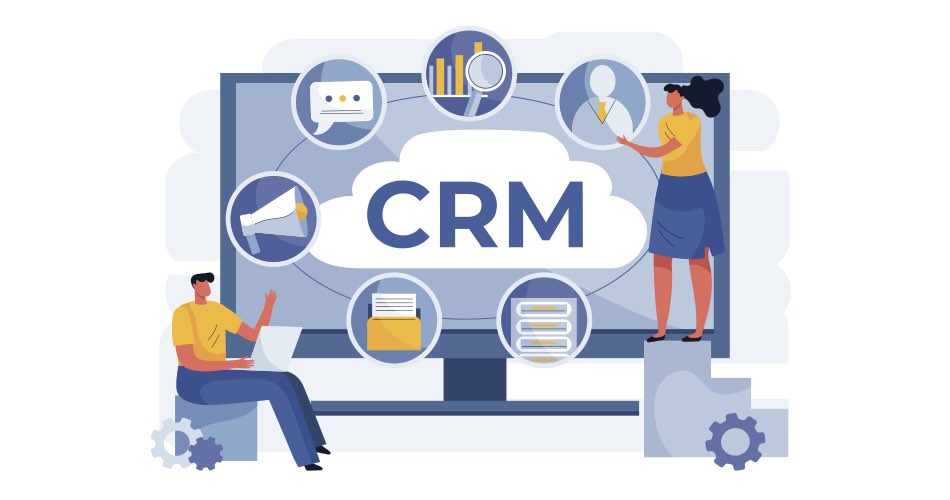
An AI-powered appointment scheduling CRM is an intelligent system that automates and optimizes the appointment booking process while maintaining comprehensive customer data and interaction history within a unified platform. At its core, it combines three critical functions: customer relationship management (storing and analyzing customer data), scheduling automation (intelligent appointment booking), and artificial intelligence (predictive analytics and optimization).
An appointment scheduling CRM leverages artificial intelligence to automate booking processes, predict customer behavior, prevent no-shows, and provide actionable insights. It eliminates manual scheduling coordination while maintaining detailed customer records, integration capabilities, and data-driven decision-making across your entire customer lifecycle. Unlike traditional tools, it learns and adapts continuously.
Core Components of a Modern Appointment Scheduling CRM
- Customer Data Hub: The foundation stores comprehensive customer information—contact details, appointment history, preferences, communication channels, and behavioral patterns. This unified database ensures every team member has context during interactions, enabling personalized service delivery.
- Intelligent Scheduling Engine: The AI engine analyzes availability, travel time, staff expertise, and customer preferences simultaneously. Machine learning algorithms learn from past appointments to suggest optimal time slots with increasing accuracy, reducing booking friction significantly.
- Automated Communication Layer: Multi-channel notifications—SMS, email, WhatsApp, push notifications—deliver confirmations, reminders, and follow-ups automatically. The system determines optimal communication timing and channels based on customer preferences and response patterns.
- Predictive Analytics Module: AI models forecast no-show probability, optimal appointment duration, customer lifetime value, and churn risk. These insights enable proactive interventions like strategic reminder timing or preventive confirmations.
- Integration Ecosystem: Enterprise-grade appointment scheduling CRM solutions connect seamlessly with calendar systems, payment processors, video conferencing platforms, and existing lead management solutions, creating a connected business infrastructure.
How AI Differentiates Advanced Scheduling Solutions
Traditional scheduling tools operate reactively they record bookings and send confirmations. AI-powered systems operate proactively, intelligently, and predictively. Machine learning identifies patterns humans miss: why certain times have higher no-show rates, which customers are most likely to reschedule, how long specific appointment types actually require, and which service combinations drive highest customer satisfaction.
Natural language processing enables conversational booking through chatbots and voice interfaces. Customers can say “I need an appointment next week in the morning” rather than navigating complex calendars. The system interprets intent, identifies available slots matching those parameters, and confirms instantly.
Why AI-Powered Appointment Scheduling Is Critical for Modern Businesses
The competitive landscape now demands seamless customer experiences. Seventy-eight percent of consumers expect same-day or next-day appointment availability, yet most organizations still rely on manual scheduling processes that require customers to wait hours or days for confirmation. This expectation gap directly impacts revenue, reputation, and customer retention.
AI appointment scheduling CRM addresses fundamental business challenges: customer frustration with manual booking, administrative overhead consuming staff time, preventable no-shows reducing productivity, and lost insights about customer preferences. Organizations implementing these solutions report 30-40% reduction in administrative time, 25-35% decrease in no-show rates, and measurable improvements in customer satisfaction and revenue per customer.
The Business Impact of No-Shows and Schedule Inefficiency
No-shows represent direct revenue loss. A 30-minute consultation slot that goes unfilled generates zero revenue while the staff member’s time is wasted. Industry data reveals that 20-30% of appointments are missed across healthcare, professional services, and personal services. For a small dermatology practice with 40 patient appointments weekly, that’s 8-12 missed appointments—representing $4,000-$6,000 weekly revenue loss.
Inefficient scheduling also creates hidden costs: staff overtime arranging appointments, customer frustration leading to negative reviews, and organizational decisions made without complete information. Lead management solutions integrated with appointment scheduling reveal another gap—leads scheduled for consultation but never appearing represent not just lost sales, but unanalyzed patterns about lead quality and sales process effectiveness.
Customer Expectations in the AI Era
Today’s consumers expect service delivery matching their smartphone experience instant, personalized, available 24/7. When businesses require phone calls during business hours or manual email coordination, they signal outdated operations. This perception influences buying decisions, particularly among younger demographics who view frictionless experience as baseline, not premium.
Key Benefits of AI-Powered Appointment Scheduling CRM
Benefit 1: Dramatic Time Efficiency Gains
Implementing an appointment scheduling CRM eliminates the single largest source of administrative overhead: appointment coordination. Staff members spend average of 2-4 hours daily managing scheduling-related communications. This time reallocates to revenue-generating or customer-focused activities.
AI appointment scheduling CRM reduces administrative scheduling time by 70-85% through automation. Systems handle booking requests, confirmations, reminders, and rescheduling without human intervention. Staff freed from scheduling tasks focus on customer care, business development, or strategic work, delivering measurable productivity gains that offset implementation costs within 3-6 months.
The automation extends beyond initial booking. Appointment scheduling CRM systems automatically handle cascading cancellations when one customer cancels, the system notifies waitlisted customers, fills the slot, and coordinates all associated communications instantly. This process that previously consumed 15-30 minutes now completes in seconds.
Benefit 2: Superior Customer Experience and Satisfaction
Every customer interaction reflects your brand. Manual scheduling processes—requiring calls, handling voicemails, waiting for callbacks—create negative first impressions and high friction. AI-powered scheduling inverts this dynamic, making booking effortless and reliable.
Customers experience instant availability confirmation, multiple convenient booking channels, personalized appointment options based on preferences, and proactive reminders reducing confusion. Organizations report 40-50% improvement in booking experience satisfaction scores. The enhanced experience increases appointment attendance, improves customer perception of professionalism, and correlates with higher customer lifetime value and positive referrals.
The personalization layer proves particularly impactful. Appointment scheduling CRM systems learn customer preferences—whether someone prefers early morning or evening slots, video or in-person meetings, specific locations or providers. These preferences automatically populate as default suggestions, reducing decision fatigue and increasing booking completion rates.
Benefit 3: No-Show Elimination Through Predictive Intelligence
No-shows have become normalized in many industries, yet they represent controllable waste. AI models identify customers at risk of missing appointments based on appointment characteristics, historical behavior, and contextual factors. Intervention strategies deploy automatically different reminder frequencies, confirmation requests, or incentives for committed attendance.
AI-powered systems reduce no-show rates by 25-40% through predictive identification and targeted intervention. Machine learning models achieve 75-85% accuracy identifying high-risk appointments. Organizations deploy differentiated strategies: high-confidence attendees receive light reminders, at-risk customers receive multiple touchpoints and confirmation requests, and very-high-risk appointments may offer scheduling flexibility or incentives. The result is more reliable schedules and higher appointment attendance.
Research demonstrates that timing and message content significantly influence no-show rates. Appointment scheduling CRM systems optimize both: sending reminders at times when customers are most likely to see and respond, using language that encourages commitment rather than generic confirmations.
Benefit 4: Actionable Data and Strategic Insights
Traditional scheduling captures booking information but generates no insights. AI-powered appointment scheduling CRM systems analyze comprehensive data streams, revealing patterns that drive business decisions.
Advanced appointment scheduling CRM platforms generate insights about appointment demand patterns, customer preferences, peak utilization periods, revenue impact by time slot and provider, cancellation predictors, and customer lifetime value. These data-driven insights enable resource optimization, dynamic pricing strategies, and targeted marketing. Organizations gain clarity on which services or providers drive highest satisfaction and revenue, informing hiring, training, and promotional decisions.
Specific insights prove actionable: if Tuesday mornings show highest no-show rates for a particular service, the system automatically intervenes with enhanced confirmations. If customers booking with Provider A show highest satisfaction and retention, staffing plans increase accordingly. If appointments scheduled 10+ days in advance have 35% no-show rates versus 8% for next-day bookings, pricing or incentive structures adjust accordingly.
How AI-Powered Appointment Scheduling CRM Works
The Scheduling Intelligence Architecture
The system receives booking requests through multiple channels: web form, mobile app, chatbot, phone call (via voice transcription), or email. A natural language processing layer converts all input formats into structured data, extracting desired appointment type, preferred timing, customer information, and any special requirements.
The intelligent matching algorithm simultaneously considers multiple variables: provider availability and expertise, customer location (if relevant), travel time between appointments, confirmed appointment duration based on type and historical data, staff preferences and specializations, resource requirements, and customer preference history. Machine learning continuously updates duration estimates—if consultation appointments average 28 minutes despite 30-minute defaults, the system learns and adjusts accordingly.
The system proposes available slots ranked by multiple factors: customer preference alignment, provider suitability, lower no-show risk probability, and utilization optimization. Customers select their preferred option, confirming in real time.
Predictive Optimization Layer
Throughout the appointment lifecycle, AI models continuously analyze probability of attendance, optimal reminder strategy, risk of cancellation, and opportunities to upsell related services. As appointment dates approach, the system adjusts strategies if a customer hasn’t confirmed despite confirmation request, escalation protocols trigger. If recent pattern analysis suggests high cancellation risk, preemptive outreach offers reschedule flexibility.
Post-appointment, the system records actual duration, customer feedback, outcomes achieved, and any special notes. This data feeds back into historical models, continuously improving future estimates and predictions.
Real-World Use Cases Across Industries
Healthcare: Reducing Patient Burden and No-Shows
Scenario: A multi-location family medicine practice manages 400+ patient appointments weekly across five locations and 20 providers. Patient no-show rates reached 25%, generating $12,000 weekly lost revenue and frustrated providers facing empty time slots.
Implementation: The practice implemented an appointment scheduling CRM that predicted no-show probability based on patient history, appointment timing, and demographics. At-risk patients received three reminders versus standard one; others received confirmations only. The system automatically filled cancellations from waitlisted patients and offered telehealth options for patients flagged as high-risk cancellations.
Results: No-show rates decreased to 8% within three months. Administrative staff freed from scheduling duties transitioned to patient relationship management, increasing patient satisfaction scores 34% and enabling 40 additional appointments weekly without hiring. The practice now books appointments within two hours of request, versus 24-48 hours previously.
Professional Services: Lead Management and Conversion Optimization
Scenario: A consulting firm’s sales pipeline included 200+ qualified leads monthly, yet 40% never attended scheduled consultation calls. Sales representatives spent 6-8 hours weekly on scheduling coordination, reducing selling time.
Implementation: An enterprise appointment scheduling CRM integrated with the lead management solution automated scheduling for qualified leads. AI analyzed which leads were most likely to attend and succeed, optimizing rep-to-lead matching. The system sent intelligent reminders based on lead engagement patterns and automatically suggested rescheduling for high-no-show-risk leads 24 hours before meetings.
Results: Consultation call attendance increased from 60% to 87%. Sales representatives gained 8-10 weekly selling hours. Lead conversion rates improved 22% as representatives focused on qualified, engaged prospects more likely to close. The firm increased monthly revenue 31% with same team size by optimizing scheduling efficiency and sales process focus.
Retail and Personal Services: Throughput and Satisfaction Amplification
Scenario: A luxury salon chain with 12 locations and 45 stylists struggled with 30% no-show rates during peak season, causing stylist idle time and appointment wait times for other customers. Manual booking created bottlenecks, particularly for walk-in management.
Implementation: The chain deployed an appointment scheduling CRM with integrated waitlist management and mobile app. Real-time availability reflected all locations, reducing geographic confusion. Text confirmations with one-click reschedule options reduced friction for cancellations. The system identified “appointment loyal” customers (high attendance rate) versus “flaky bookers” and applied differentiated confirmation strategies.
Results: No-show rates dropped to 6%. Capacity utilization increased 28%, enabling 15% more appointments in same time with same staff. Customer satisfaction scores improved due to reduced wait times. The system revealed strong demand for specific stylists (enabling premium pricing for high-demand providers) and low-demand time slots (enabling targeted promotions to drive off-peak utilization).
Fitness and Wellness: Membership Engagement and Retention
Scenario: A boutique fitness studio offered classes with 12-person capacity but couldn’t fill slots despite large membership base. Manual waitlisting and cancellation coordination frustrated customers and reduced class revenue.
Implementation: An appointment scheduling CRM with predictive engagement models automated bookings and tracked attendance patterns. The system identified high-risk cancelers (customers with history of last-minute cancellations) and pre-booked loyal attendees into popular classes. Intelligent notifications sent reminders optimally spaced to reduce cancellations without annoying customers.
Results: Average class capacity increased from 68% to 91%. Cancellation rates dropped from 18% to 5%, enabling more aggressive booking policies. Predictive models identified disengaging members (declining class attendance patterns) early, triggering targeted re-engagement offers. Monthly churn decreased 19%, driving significant revenue improvement from higher utilization and retention.
Challenges and Practical Solutions
Challenge 1: Integration Complexity and Data Silos
The Problem: Existing CRM systems, calendar tools, email platforms, and payment processors don’t communicate automatically. Creating unified data flow requires technical expertise and ongoing maintenance.
Solution: Modern appointment scheduling CRM platforms offer pre-built integrations with 100+ common business tools, reducing custom development. API-first architecture enables custom connections when needed. Successful implementation prioritizes data mapping—clearly defining how customer, appointment, and outcome data flows between systems—before launch rather than troubleshooting post-launch.
Challenge 2: Change Management and Team Adoption
The Problem: Staff familiar with manual processes may resist new systems, particularly if initial implementation reduces perceived control. Customers accustomed to phone booking may bypass digital systems initially.
Solution: Successful implementations include change management planning: clear communication about benefits, comprehensive training for all users, and interim hybrid periods (maintaining manual options alongside automation). Demonstrating concrete benefits early—showing administrators 5 hours freed daily—builds team momentum. Phased rollouts starting with willing early adopters generate peer advocacy accelerating adoption.
Challenge 3: Maintaining Personal Connection While Automating
The Problem: Over-automation creates customer frustration when escalation options disappear or AI responses feel impersonal.
Solution: Modern appointment scheduling CRM systems include escalation pathways enabling human intervention when needed. The AI augments human service rather than replacing it—staff handle complex requests while routine bookings and reminders operate automatically. Personalization (using customer names, preferences, history) makes automated interactions feel genuinely tailored rather than generic.
Challenge 4: Data Privacy and Security Compliance
The Problem: Storing customer data and handling payment information creates compliance obligations (GDPR, HIPAA, CCPA) with significant penalties for violations.
Solution: Enterprise-grade appointment scheduling CRM platforms include compliance features: encryption, access controls, audit trails, automated retention policies, and consent management. During vendor selection, verify specific certifications and compliance standards relevant to your industry. Documented data governance procedures ensure internal processes protect customer information appropriately.
Key Takeaways
- AI appointment scheduling CRM systems eliminate 70-85% of administrative scheduling time by automating booking, confirmations, reminders, and rescheduling workflows through intelligent automation.
- No-show rates decrease 25-40% through predictive identification and targeted interventions, directly improving revenue and resource utilization while reducing organizational scheduling stress.
- Modern solutions provide actionable business insights about demand patterns, provider performance, customer preferences, and revenue optimization opportunities that transform strategic decision-making.
- Seamless multi-channel booking (web, mobile, chat, voice) meets customer expectations for instant, convenient scheduling, improving booking completion rates 35-45% and customer satisfaction scores substantially.
- Successful implementation requires change management, clear integration planning, and security protocol establishment, with benefits typically exceeding costs within 3-6 months through efficiency and revenue gains.
- Real-world deployments across healthcare, professional services, retail, and fitness demonstrate consistent ROI through reduced administrative overhead, increased throughput, and improved customer lifetime value and retention.
Best Practices for Implementation Success
- Phase 1: Strategic Planning Define clear objectives—which problems does your organization prioritize (efficiency, no-show reduction, customer experience, insights)? Map existing systems and data flows. Identify change management needs and communication plans. Select a lead management solution and appointment scheduling CRM that integrate well with existing infrastructure.
- Phase 2: Vendor Selection and Configuration Evaluate solutions against specific requirements rather than generic feature lists. Prioritize vendors offering strong integrations with your current systems. Ensure compliance certifications match your industry. Customize workflows, reminder cadences, and escalation procedures to match organizational preferences before launch.
- Phase 3: Pilot and Refinement Deploy with a single team, location, or customer segment first. Gather feedback, refine processes, and document learnings before full rollout. Train administrators and customer-facing staff comprehensively, creating clear escalation procedures and troubleshooting guides.
- Phase 4: Measurement and Optimization Track baseline metrics before launch (scheduling time, no-show rates, booking completion rates, customer satisfaction). Monitor improvements continuously, identifying underperforming configurations and optimization opportunities. Review quarterly to ensure sustained benefits and identify expansion possibilities.
Future Trends in Appointment Scheduling and CRM Innovation
- Advanced AI Personalization: Next-generation systems will predict not just attendance probability but optimal appointment structure—length, format, provider expertise level, recommended preparation—based on individual customer profile and service type. Personalization depth will increase dramatically.
- Voice and Conversational AI: Voice-native interfaces will enable customers to schedule by phone with AI handling complex conversations naturally, transcribing intent, and confirming details conversationally rather than through structured forms or menus.
- Predictive Demand and Dynamic Capacity: AI models will forecast demand patterns weeks or months ahead, enabling intelligent capacity planning, dynamic pricing, and proactive staff scheduling based on predicted customer volumes.
- Fully Integrated Experience: Appointment scheduling CRM will become core business infrastructure, fully integrated with lead management, customer service, payment processing, and business analytics. The distinction between “CRM” and “appointment scheduling” will dissolve as appointment management becomes a standard CRM capability.
- Behavioral Prediction and Prevention: Beyond no-show prediction, systems will identify factors predicting customer dissatisfaction, service failures, or churn, enabling preventive intervention before problems occur.
FAQ Section
Q: How much time does an AI appointment scheduling CRM typically save an organization?
A: Organizations report 70-85% reduction in scheduling-related administrative time. For a practice with three staff members dedicating 25-30 hours weekly to scheduling, annual savings reach 3,500+ hours. The freed capacity reallocates to customer-facing activities, sales development, or core business growth initiatives, generating measurable ROI.
Q: What’s the typical implementation timeline for an appointment scheduling CRM system?
A: Basic implementations complete in 2-4 weeks; comprehensive deployments with multiple locations and integrations require 6-12 weeks. Initial configurations take 2-3 weeks, followed by staff training (1-2 weeks) and phased rollout (2-6 weeks depending on complexity). Most organizations see benefits within first month of operation.
Q: How do AI appointment scheduling CRM systems reduce no-shows specifically?
A: Predictive models analyze historical appointment and customer data to identify high-risk cancellations. Interventions include optimally-timed reminders (3-5 days before, not day-of), confirmation requests (increasing commitment), rescheduling suggestions for high-risk bookings, and incentive mechanisms. The combination of prediction plus targeted intervention reduces no-shows 25-40%.
Q: Can appointment scheduling CRM integrate with existing customer systems like Salesforce or HubSpot?
A: Yes. Enterprise appointment scheduling CRM platforms include pre-built integrations with leading CRM, calendar, and communication platforms. Data syncs bidirectionally—appointments update customer records; customer data populates into scheduling. Custom API integrations enable connection to specialized systems. Integration strategy should be finalized before implementation.
Q: How do these systems handle privacy compliance like GDPR and HIPAA?
A: Compliant appointment scheduling CRM platforms include encryption, access controls, audit trails, automated data retention policies, and consent management. Enterprise solutions offer specific certifications (HIPAA compliance for healthcare, GDPR compliance for EU operations). Verify vendor compliance credentials match your industry requirements during selection.
Q: What’s the typical ROI timeline for appointment scheduling CRM implementation?
A: Most organizations achieve positive ROI within 3-6 months through administrative savings, no-show reduction, and increased throughput. Larger organizations with significant administrative overhead see benefits in months 1-2. Smaller organizations may require 4-6 months as benefits accrue. Additional revenue from improved customer experience and retention often exceeds cost savings.
Conclusion
AI-powered appointment scheduling CRM represents a fundamental shift from reactive administrative burden to proactive business optimization. Organizations implementing these systems eliminate the scheduling friction that frustrates customers and consumes staff time, while gaining data-driven insights that transform decision-making across the business.
The business case is compelling: 70-85% administrative time reduction, 25-40% no-show rate decrease, superior customer experience meeting modern expectations, and strategic insights enabling intelligent growth. Real-world implementations across healthcare, professional services, retail, and wellness demonstrate consistent, substantial benefits.
Success requires clear strategic alignment, careful vendor selection, comprehensive change management, and ongoing measurement and optimization. Organizations prioritizing customer experience, operational efficiency, and data-driven decision-making find appointment scheduling CRM implementation delivering outsized returns on investment while positioning them for sustained competitive advantage in increasingly customer-centric markets.
The appointment scheduling landscape will continue evolving toward deeper personalization, more natural interfaces, and fuller integration with complete business operations. Organizations implementing these solutions today establish operational foundations supporting innovation and growth for years ahead.