
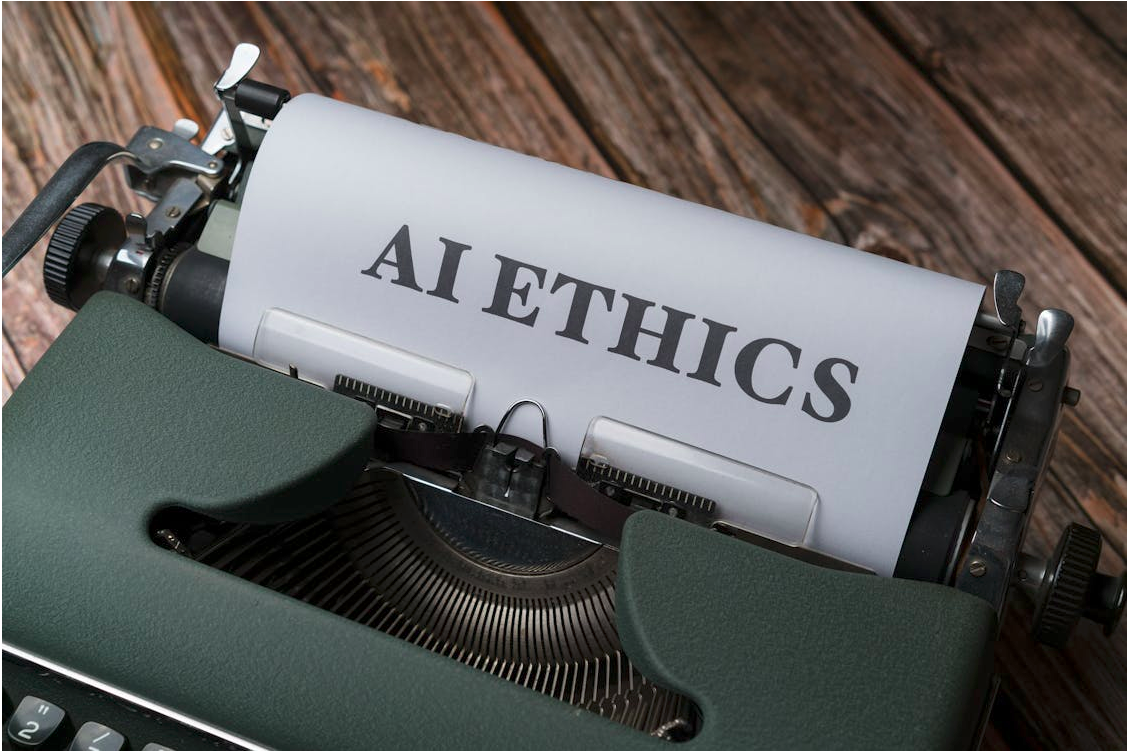
Artificial Intelligence (AI) is revolutionising various sectors, and healthcare is no exception. From improving diagnostic accuracy to enhancing patient care, AI holds significant promise. However, it also brings new challenges and risks, particularly in the realm of medical negligence.
This blog post explores the dual nature of AI in healthcare—its potential to reduce medical negligence and the new risks it introduces.

Image source: Pexels
The Promise of AI in Reducing Medical Negligence
Enhanced Diagnostic Accuracy
One of the most lauded benefits of AI in healthcare is its ability to enhance diagnostic accuracy. Traditional diagnostic methods are often subject to human error, leading to misdiagnoses and delayed treatments.
AI algorithms can analyse vast amounts of data more quickly and accurately than humans, thereby reducing the likelihood of errors. This can significantly lower the incidence of medical negligence, providing patients with timely and accurate diagnoses.
Streamlined Administrative Processes
Administrative errors, such as incorrect patient records or medication mistakes, are common sources of medical negligence. AI can automate these administrative tasks, ensuring that records are accurate and up-to-date. By reducing the burden on healthcare professionals, AI allows them to focus more on patient care, thereby minimising the risk of negligence.
Personalised Treatment Plans
AI can also contribute to personalised medicine, tailoring treatment plans to individual patients based on their unique medical histories and genetic profiles. Personalised treatment plans mean that patients receive the most effective therapies, thereby reducing the risk of adverse effects and medical negligence.
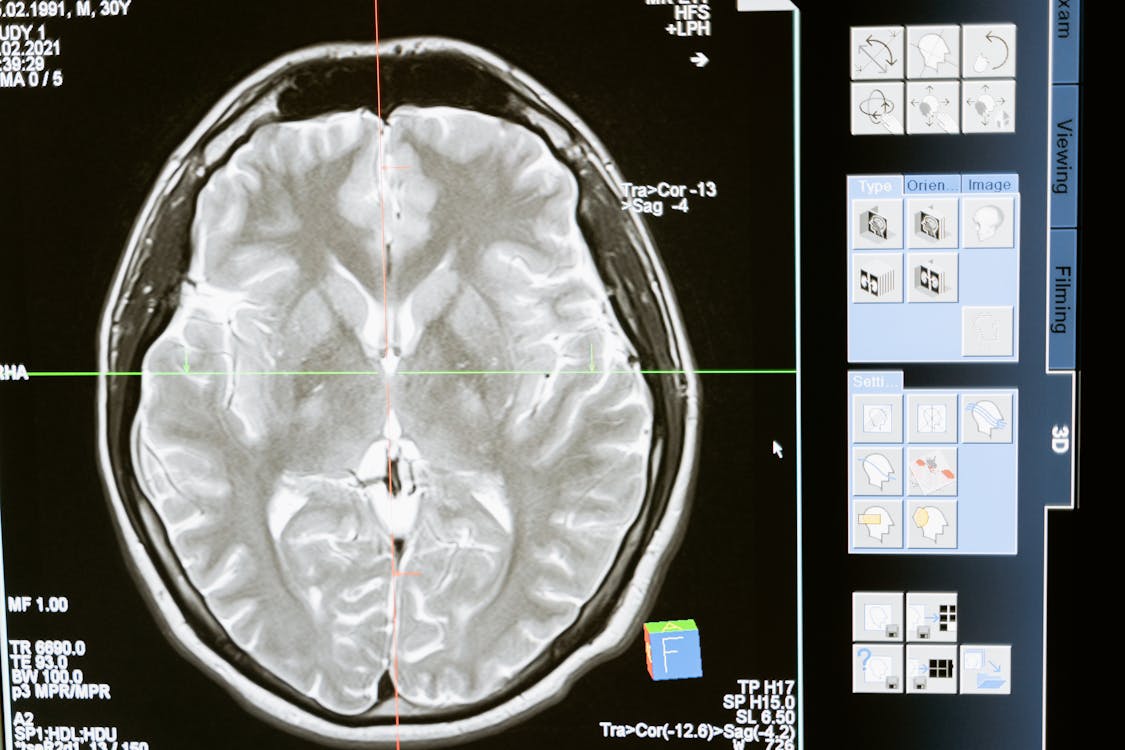
Image source: Pexels
The New Risks Introduced by AI
Reliance on Technology
While AI has the potential to reduce errors, over-reliance on technology can introduce new risks. Healthcare professionals may become overly dependent on AI, neglecting their own skills and judgement. This can lead to situations where errors are not caught, increasing the potential for medical negligence.
Data Privacy Concerns
The use of AI in healthcare often involves the collection and analysis of large amounts of personal data. This raises significant privacy concerns. Inadequate data protection measures can lead to data breaches, compromising patient confidentiality and trust.
Algorithmic Bias
AI algorithms are only as good as the data they are trained on. If the data is biased or incomplete, the AI’s recommendations can be flawed. This can result in disparities in treatment and care, potentially leading to instances of medical negligence. For more information on how AI can impact malpractice concerns, you can read about a detailed study on this issue.
Legal and Ethical Challenges
The introduction of AI into healthcare also brings a myriad of legal and ethical challenges. Who is responsible if an AI system makes a mistake? Is it the developer, the healthcare provider, or the institution employing the technology? These questions remain largely unanswered and present a grey area in current legal frameworks. In the UK, this uncertainty sits alongside existing protections like medical indemnity cover, which already covers clinical negligence and professional indemnity claims against healthcare practitioners and organisations.
Additionally, ethical concerns regarding the transparency and accountability of AI systems are paramount. Patients have a right to understand how decisions about their health are being made, and ensuring this transparency is a significant challenge.
Technical Failures
No technology is infallible, and AI systems are no exception. Technical failures, whether due to software bugs, hardware malfunctions, or cyber-attacks, can have disastrous consequences in a healthcare setting. Ensuring robust cybersecurity measures and regular maintenance checks are essential to mitigate these risks. However, even with these precautions, the possibility of a technical failure causing harm cannot be entirely eliminated. A thorough understanding of the [risks associated with AI](https://www.ncbi.nlm.nih.gov/pmc/articles/PMC10711067/) is crucial for all healthcare providers.
Regulation and Standardisation
The rapid development of AI technology often outpaces the creation of appropriate regulatory frameworks. While some guidelines and standards have been established, there is a pressing need for comprehensive regulation to ensure the safety and efficacy of AI in healthcare.
Without proper regulation, the deployment of AI systems can lead to inconsistent practices and varying levels of care quality. For instance, different AI systems may provide different recommendations for the same medical condition, leading to confusion and potential negligence.
AI’s Place in Healthcare…
As discussed, the integration of AI in healthcare holds immense potential for reducing instances of medical negligence. From enhancing diagnostic accuracy to streamlining administrative processes and personalising treatment plans, AI can significantly improve patient care.
However, it is crucial to remain vigilant about the new risks that AI introduces. Over-reliance on technology, data privacy concerns, algorithmic bias, legal and ethical challenges, technical failures, and the need for stringent regulation are all factors that must be carefully managed. Navigating these complexities requires a balanced approach that weighs the benefits of AI against its potential pitfalls.
Healthcare providers must continually update their knowledge and skills to effectively incorporate AI into their practices without compromising patient safety. Patients, too, should be informed and proactive in understanding how AI is being used in their care.
Ultimately, the goal is to create a healthcare system that harnesses the power of AI while upholding the highest standards of medical professionalism and patient care. By doing so, we can look forward to a future where AI contributes positively to healthcare, reducing medical negligence and improving outcomes for all.