
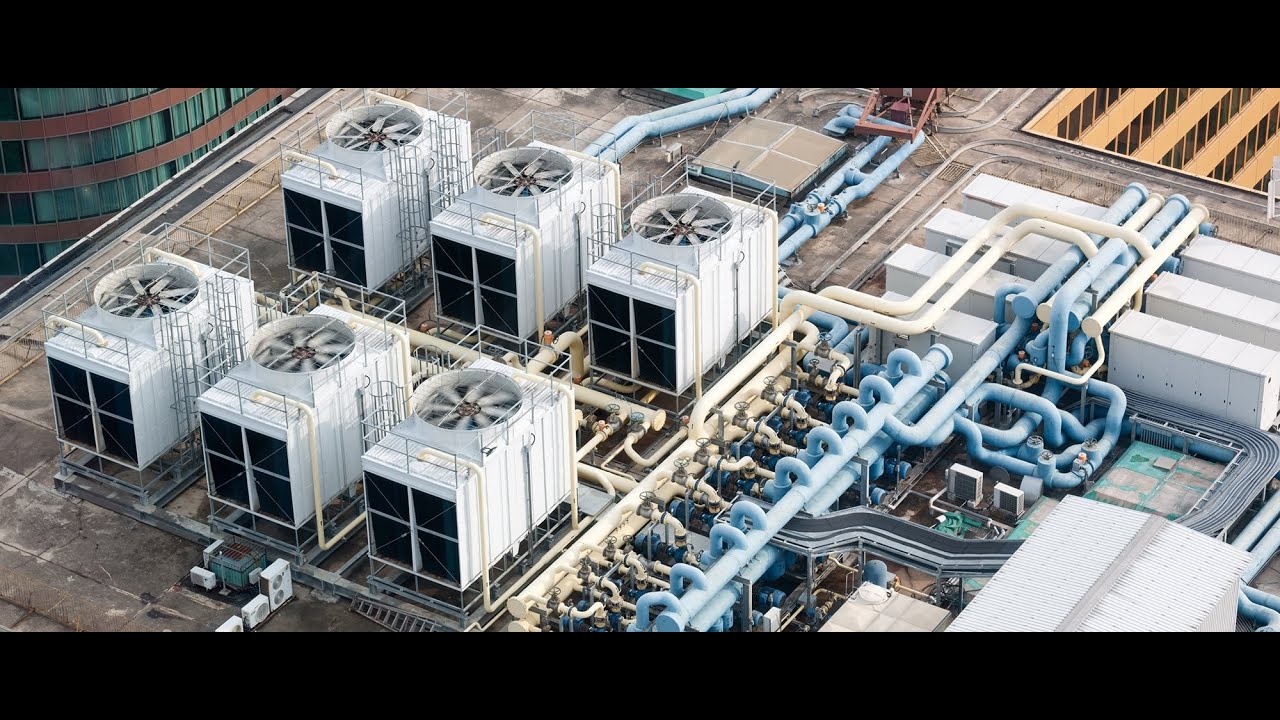
The HVAC industry is changing rapidly, and artificial intelligence is becoming one of the biggest drivers behind this transformation. In 2026, HVAC companies are under pressure to improve operational efficiency, reduce costs, deliver faster service, and manage growing customer expectations while dealing with skilled labor shortages and rising energy demands.
This is why AI for HVAC businesses is gaining massive attention across the industry.
From predictive maintenance and intelligent scheduling to customer service automation and energy optimization, AI is helping HVAC businesses modernize operations and scale more efficiently than traditional service models.
HVAC companies that invest in AI today are building smarter, faster, and more profitable operations for the future.
Why AI for HVAC Businesses Is Growing Rapidly
Several industry challenges are accelerating AI adoption across HVAC businesses:
-
Skilled technician shortages
-
Rising operational expenses
-
Increasing fuel costs
-
Growing demand for smart buildings
-
Higher customer expectations
-
Expansion of connected HVAC systems
-
Pressure to improve energy efficiency
-
Increased competition in local HVAC markets
Traditional HVAC workflows often depend heavily on:
-
Manual scheduling
-
Reactive maintenance
-
Disconnected systems
-
Administrative coordination
-
Paper-based reporting
These processes slow down operations and limit scalability.
AI for HVAC businesses helps automate and optimize these workflows, enabling companies to improve productivity without dramatically increasing staffing costs.
What Is AI for HVAC Businesses?
AI for HVAC businesses refers to the use of:
-
Artificial intelligence
-
Machine learning
-
Predictive analytics
-
Intelligent automation
-
Conversational AI
-
IoT-connected systems
to improve HVAC operations, customer service, maintenance, scheduling, and energy management.
Unlike traditional HVAC software that mainly stores information, AI systems can:
-
Analyze operational data
-
Automate scheduling
-
Optimize technician routing
-
Improve customer communication
-
Reduce energy waste
-
Generate real-time operational insights
AI allows HVAC businesses to move from reactive service operations to predictive and intelligent service management.
How AI for HVAC Businesses Is Transforming Operations
Predictive Maintenance and Smart Diagnostics
One of the biggest applications of AI for HVAC businesses is predictive maintenance.
Traditionally, HVAC companies respond after systems fail. This creates:
-
Emergency repair calls
-
Unexpected downtime
-
High repair costs
-
Customer dissatisfaction
AI-powered HVAC systems continuously monitor:
-
Temperature trends
-
Pressure levels
-
Runtime performance
-
Energy usage
-
Airflow behavior
-
Equipment efficiency
The AI identifies early warning signs before major breakdowns occur.
Benefits of Predictive Maintenance
-
Reduced equipment downtime
-
Lower maintenance costs
-
Longer HVAC system lifespan
-
Improved customer satisfaction
-
Fewer emergency service visits
Predictive maintenance helps HVAC service companies become more proactive and efficient.
Intelligent Scheduling and Dispatching
Scheduling inefficiencies are one of the largest operational challenges for HVAC businesses.
Dispatch teams must manage:
-
Technician availability
-
Route planning
-
Traffic conditions
-
Emergency requests
-
Skill matching
-
Service prioritization
AI-powered HVAC scheduling systems automatically optimize technician assignments based on:
-
Location
-
Technician expertise
-
Job urgency
-
Historical service times
-
Equipment requirements
This improves response times while reducing fuel costs and operational delays.
Example
If a technician finishes a job early or a new emergency request comes in, AI can instantly reroute nearby technicians to improve service efficiency.
This level of automation helps HVAC businesses complete more service calls with fewer operational bottlenecks.
AI-Powered Customer Support for HVAC Businesses
Modern customers expect fast and convenient communication.
AI-powered HVAC chatbots and virtual assistants help businesses:
-
Schedule appointments
-
Answer customer inquiries
-
Send maintenance reminders
-
Provide real-time service updates
-
Handle emergency requests
-
Support 24/7 communication
Conversational AI improves customer experience while reducing administrative workload on office teams.
This is becoming a major competitive advantage for HVAC businesses in 2026.
Energy Optimization and Smart Building Support
Energy efficiency has become a major focus across residential, commercial, and industrial HVAC operations.
AI systems analyze:
-
Building occupancy patterns
-
Weather conditions
-
HVAC runtime data
-
Energy consumption
-
Environmental performance
The AI automatically adjusts HVAC operations to reduce energy waste while maintaining comfort levels.
Benefits Include
-
Lower utility costs
-
Reduced energy waste
-
Improved sustainability
-
Better system efficiency
-
Enhanced smart building performance
AI for HVAC businesses is becoming essential for companies supporting smart buildings and energy-conscious customers.
Remote Monitoring and AI Diagnostics
AI combined with IoT technology enables remote HVAC monitoring and diagnostics.
HVAC businesses can remotely detect:
-
Refrigerant leaks
-
Airflow problems
-
Pressure abnormalities
-
Equipment inefficiencies
-
Maintenance requirements
Technicians can arrive prepared with the right tools and replacement parts before reaching the job site.
This reduces:
-
Repeat service visits
-
Diagnostic delays
-
Downtime
-
Customer frustration
Remote AI diagnostics improve both operational efficiency and customer satisfaction.
Workflow Automation for HVAC Businesses
Many HVAC businesses still rely on manual workflows for:
-
Invoicing
-
Reporting
-
Maintenance tracking
-
Compliance documentation
-
Customer follow-ups
AI-powered workflow automation reduces repetitive administrative tasks and improves operational visibility.
This helps HVAC companies:
-
Reduce overhead
-
Improve coordination
-
Increase technician productivity
-
Scale operations more efficiently
Benefits of AI for HVAC Businesses
Improved Technician Productivity
AI helps technicians spend less time on administrative coordination and more time delivering service.
Faster Service Response Times
Intelligent scheduling and automation improve operational responsiveness.
Reduced Operational Costs
AI helps optimize:
-
Fuel usage
-
Technician routing
-
Inventory management
-
Scheduling efficiency
Better Customer Experience
Customers receive:
-
Faster communication
-
Predictive maintenance alerts
-
Real-time updates
-
Personalized service experiences
Increased Revenue Opportunities
AI helps identify:
-
Upsell opportunities
-
Preventive maintenance needs
-
Equipment replacement recommendations
Smarter Business Decisions
AI analytics provide operational insights that support better long-term planning and growth strategies.
Why HVAC Businesses Are Investing in AI in 2026
Several market trends are accelerating investment in AI for HVAC businesses.
Skilled Labor Shortages
Many HVAC companies struggle to hire enough experienced technicians.
AI helps businesses improve workforce productivity without proportionally increasing headcount.
Growing Smart Building Adoption
Connected buildings require more intelligent HVAC management systems.
Rising Customer Expectations
Customers increasingly expect:
-
Digital-first service experiences
-
Faster scheduling
-
Proactive maintenance communication
-
Smart home integration
Increasing Energy Regulations
Businesses and property owners want AI-powered HVAC systems that improve sustainability and reduce energy consumption.
Expansion of IoT HVAC Systems
Connected HVAC devices generate large amounts of operational data that AI can analyze for optimization.
Challenges of Implementing AI for HVAC Businesses
Despite the advantages, successful AI implementation still requires planning.
Integration with Existing HVAC Software
Many HVAC businesses operate across disconnected platforms that require integration.
Data Quality and Sensor Reliability
AI systems depend on accurate operational and sensor data.
Employee Training
HVAC teams need training to effectively use AI-powered systems and workflows.
Cybersecurity and Data Protection
Connected HVAC systems must remain secure against digital threats.
Initial Technology Investment
Advanced AI and IoT systems may require upfront investment before long-term ROI is achieved.
The Future of AI for HVAC Businesses
The future HVAC industry will become increasingly:
-
Predictive
-
Automated
-
Data-driven
-
Energy-aware
-
Intelligent
Future AI capabilities may include:
-
Self-optimizing HVAC systems
-
AI-powered technician copilots
-
Autonomous diagnostics
-
Digital twin simulations
-
Voice-enabled HVAC assistants
-
Real-time operational intelligence platforms
AI will become deeply integrated into:
-
Smart homes
-
Commercial buildings
-
Industrial facilities
-
Sustainable infrastructure ecosystems
HVAC businesses that adopt AI early will gain significant competitive advantages in efficiency, customer service, and operational scalability.
Conclusion
AI for HVAC businesses is transforming how HVAC companies operate in 2026.
From predictive maintenance and intelligent scheduling to customer support automation and energy optimization, AI helps HVAC businesses:
-
Improve operational efficiency
-
Reduce costs
-
Increase technician productivity
-
Deliver faster service
-
Prevent equipment failures
-
Improve customer satisfaction
As the HVAC industry becomes more connected and data-driven, Custom AI Agent Development will continue playing a critical role in shaping the future of HVAC operations.
The HVAC businesses that successfully combine skilled technicians with intelligent automation will be best positioned for long-term growth and competitive success.