
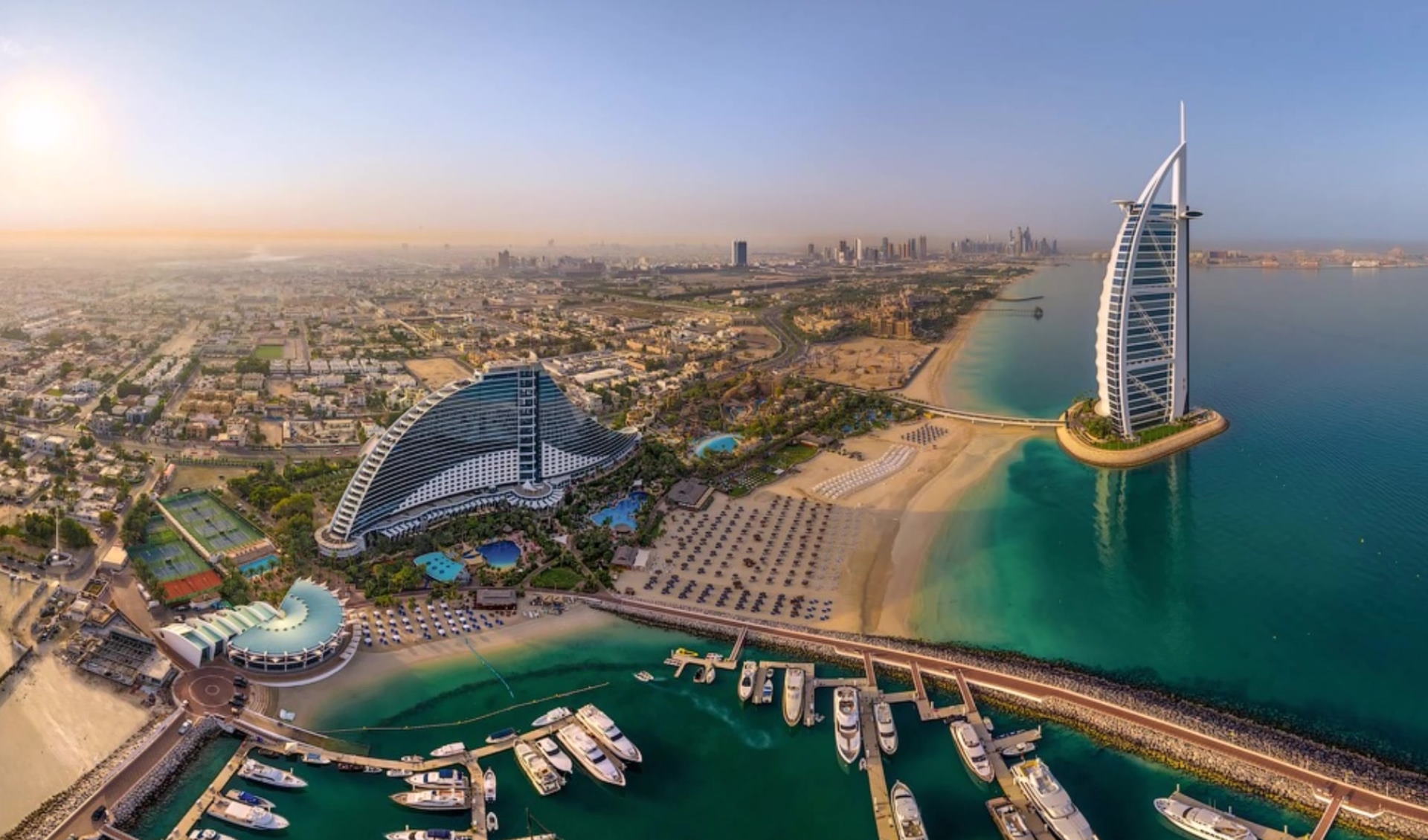
Over the past decade, Dubai has moved towards becoming a global hub for innovation and emerging technologies. One component of this is artificial intelligence (AI), which is expected to impact transportation, healthcare, government services and urban design. A combination of a strong policy framework, potential investments and an international commitment to collaboration, Dubai has established a roadmap to lead efforts for the advancement of artificial intelligence in the Middle East.
Key Statistics
Number of AI Companies:
Dubai’s AI ecosystem now surpasses 800 companies and is now one of the most sizeable centres for AI in the region. Approximately 72% of companies identified are start ups or small-medium enterprises indicative of how attractive Dubai has become for entrepreneurs. Moreover, approximately 66% of the total AI companies established Dubai as their global bases for companies, lending strong credibility to their reputation as a launchpad for global market scale.
Economic Contribution:
It is estimated that artificial intelligence will ultimately contribute substantial value to the economy beyond US$96 Billion or 13.6% of GDP by 2031. The AI sector in the UAE was valued at US$3.5 Billion in 2022 and is projected to expand significantly to about US$46 billion by 2030 with a compound annual growth rate of more than 35%.
AI Talent Surge:
There are nearly 40% more AI specialists in the UAE since 2022, driven by programs for education, academic partnerships and Dubai’s positive migration policies for talent. In a study across 1500 employees in government agencies, 94% stated positively about communicating the role of AI in their respective endeavors, while on the other hand, 55% expressed feelings of anxiety that AI might take away their jobs.
Artificial Intelligence (AI) Integration by Government
Dubai’s government is positioning itself as a leader in AI technology deployment. A new survey uncovered over 100 high-impact AI use cases that are currently piloted or currently being deployed in conjunction with public service functions, including licensing, procurement, traffic management, health care, and regulatory compliance.
Transportation
The RTA has created an AI Strategy 2030 with 81 initiatives and projects focused on mobility innovation, such as smart traffic management, predictive maintenance, and preparing for autonomous vehicles.
Strategic Initiatives Driving AI
Dubai’s evolution in AI is no mishap; these advances are a result of tactical planning and astute policy leadership.
- Dubai Centre for AI (DCAI): Functions as an umbrella body to work with all government departments, attract international companies, and to orchestrate research and policy projects.
- Dubai Universal Blueprint for AI: Released in 2024, this framework aims to couple the application of AI with Dubai’s long-term economic vision The D33 agenda, which aims to double the economy in the next 10 years.
- Dubai AI Academy: Established to train thousands of professionals, whether they are government employees, or C-suite executives from the private sector, in AI applications and governance. The Academy has global partnerships with leading institutions to develop executive programs.
- Events and Ecosystem Building: Events like Dubai AI Week that occur annually bring together private-sector companies, investors, and experts from around the world to see Dubai as a city for collaboration and innovation in the AI ecosystem.
Applications Across Sectors
AI in Dubai is no longer limited to pilot programs; rather, it is being deployed at scale in various sectors:
Mobility and Transport: Smart traffic lights, congestion management based on AI, and predictive analytics related to road safety. Autonomous vehicle trials are also occurring in parallel.
Healthcare: AI is permitting predictive diagnostics, patient monitoring, and resource optimization – actions that are occurring particularly in hospitals and clinics that are undertaking digital health initiatives.
Government Services: Automated chatbots, licensing systems, compliance monitoring, and generative AI tools are facilitating public service delivery by reducing paper work and timing of delivery.
Urban Planning: Digital twins and predictive modelling are assisting the Dubai design smarter and more sustainable urbanization.
Retail and Finance: From fraud detection in banks to personalized shopping assistants in e-commerce, consumer experience is changing rapidly. Much of this transformation is being shaped by the expertise of every leading AI development company in Dubai working on sector-specific innovations.
Strengths That Power Dubai’s AI Growth
Government Vision: With specific goals in mind, Dubai is among a handful of cities in the world to publically outline measurable AI goals for 2030.
Infrastructure: The emirate benefits from high-level digital infrastructure, data hubs, and 5G networks which helps to scale AI.
Public–Private Partnerships: Dubai supports alliances between governmental organizations and private sector executive leaders to stimulate innovation and uptake.
Talent Development: Through global visa pathways and upskilling the local community, Dubai is investing in growing and attracting AI talent.
Challenges Ahead
Even with its swiftly advancing development, Dubai is confronted with a few challenges that need to be navigated very carefully:
- Talent Gaps: Although the numbers of specialists continues to grow, the demand for highly skilled professions in artificial intelligence exceeds the available talent pool. Many companies hire from abroad.
- Job Displacement: In researching worker attitudes, many employees express a significant amount of optimism, but the same workers expressed concern that automated systems may displace human job functions.
- Ethics and Regulatory Compliance: The speed at which AI is deployed raises ethical dilemmas related to AI use cases, transparency, and data privacy.
- Scalability of Projects: While several pilot projects have had initial success, a clear method has not emerged for how to successfully scale those projects both in, and across, verticals.
Future Outlook
Looking to the future, the role of AI in Dubai will be expected to grow at a rapid pace: it is forecasted that by 2030, AI will contribute nearly 14% of GDP, cementing the UAE’s position as a global leader in the AI economy.
Transport and healthcare are anticipated to attract the largest level of investment, with autonomous mobility and predictive medicine being the front-runners.
Generative AI will be a foundational element across public services, while other AI will support everything from policy development to over the counter service delivery.
On the infrastructure side, more AI-specific resources, like super-computing centers and innovation hubs, will remain a focus for developing both research and industry potential.
The government is likely to develop fresh regulation in data governance and in ethics, to ensure that the balance of innovation is accounted for with matching accountability for AI and intellectual property.
Conclusion
Dubai is proactively and ambitiously embracing artificial intelligence. The city is home to more than 800 AI companies, is growing its AI talent pool rapidly, and driving AI adoption in more than 100 government use cases. The city is truly positioned as both a regional and global leader in AI development.
It has established a solid foundation of supportive infrastructure, future thinking, and innovation ecosystems. With existing challenges related to talent shortages and ethical governance, Dubai is not passive – it is proactive. It will not only address these but create models for others to follow.