
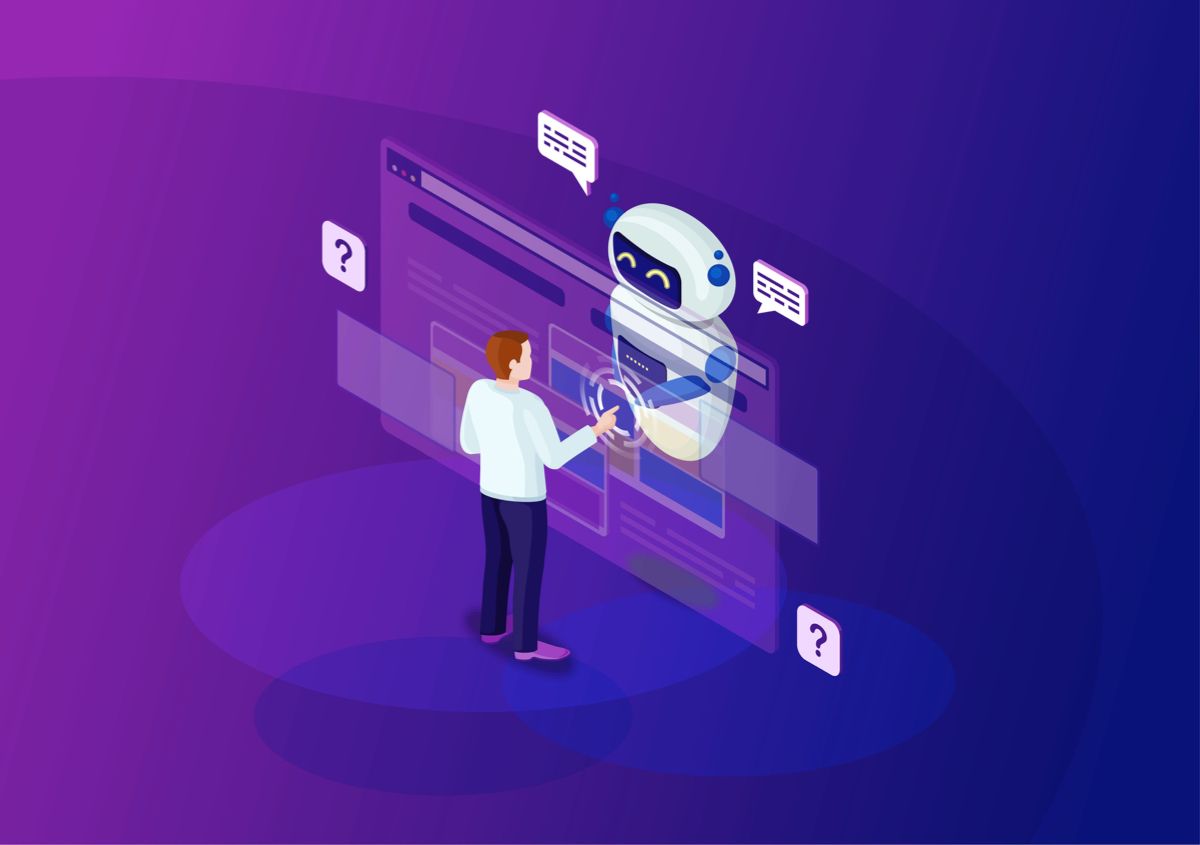
E-commerce has exploded into one of the most competitive and dynamic industries in the world. Customers no longer just compare prices—they evaluate the entire shopping experience: how fast they get responses, how easily they find products, and how personalized the journey feels. To keep up with these expectations, businesses are turning to AI chatbot development as a powerful solution.
Unlike the old, rule-based bots that could only handle pre-programmed commands, modern AI chatbots in e-commerce are intelligent digital assistants. They can guide customers across the entire shopping journey—from discovery and browsing to checkout and post-purchase support. These chatbots are not just cost-saving tools; they have become central to delivering exceptional customer experiences, increasing conversions, and driving long-term loyalty.
In this blog, we’ll explore the benefits and real-world use cases of AI chatbot development in e-commerce, and why it’s becoming a must-have for online retailers in 2025.
The Rise of AI Chatbots in E-commerce
The growth of e-commerce has brought immense opportunities, but also immense challenges. Online stores handle millions of queries daily, ranging from product information to shipping updates. Hiring enough human agents to cover this demand is costly and often inefficient.
AI chatbots fill this gap by offering scalable, round-the-clock, and personalized support. According to recent industry reports, more than 70% of online retailers now use AI chatbots in some capacity, and the number is expected to grow even higher in the coming years. Customers, too, are adapting—many now prefer interacting with a chatbot if it means faster and more accurate service.
Key Benefits of AI Chatbots in E-commerce
1. 24/7 Customer Support Without Extra Costs
Unlike human agents, AI chatbots never sleep. They provide instant support at any time of the day, ensuring customers always have help available—even during holidays or peak sales seasons. This availability not only improves customer satisfaction but also builds trust in the brand.
2. Personalized Shopping Experiences
AI chatbots analyze customer preferences, purchase history, and browsing behavior to deliver personalized recommendations. For example, a chatbot can suggest complementary items (“You bought a laptop, would you like a matching sleeve or mouse?”) or remind customers about abandoned carts. This level of personalization boosts engagement and significantly increases average order value (AOV).
3. Faster Query Resolution
One of the biggest frustrations for online shoppers is waiting for answers. AI chatbots resolve common questions instantly, whether it’s about product availability, return policies, or delivery timelines. This reduces cart abandonment rates, as customers can make quick, informed purchase decisions.
4. Seamless Checkout and Payment Assistance
AI chatbots can simplify the checkout process, guiding customers through payment options, applying discount codes, and even offering financing solutions. By reducing friction at checkout, businesses see fewer drop-offs and higher conversion rates.
5. Multilingual Support for Global Reach
E-commerce is global, but language barriers often hold businesses back. AI chatbots can communicate in multiple languages—helping brands expand internationally without hiring separate regional teams. This creates inclusive customer experiences and opens doors to new markets.
6. Cost Efficiency and Scalability
Instead of scaling human teams during peak sales seasons like Black Friday or Diwali, businesses can deploy AI chatbots to handle large volumes of inquiries. This reduces operational costs while ensuring customers don’t face long wait times.
7. Data-Driven Insights for Better Decisions
Every customer interaction with a chatbot provides valuable data—what customers are asking for, where they face friction, and what influences purchase decisions. Businesses can analyze these insights to improve product offerings, refine marketing strategies, and optimize the overall shopping experience.
Real-World Use Cases of AI Chatbots in E-commerce
1. Virtual Shopping Assistants
AI chatbots act as personal shopping assistants, helping customers find exactly what they’re looking for. They can ask clarifying questions (“Are you looking for casual shoes or formal shoes?”), provide product comparisons, and even suggest trending items. This mimics the experience of an in-store salesperson—but in a digital environment.
2. Cart Recovery and Abandoned Cart Reminders
Cart abandonment is one of the biggest challenges in e-commerce, with rates as high as 70%. Chatbots can send timely reminders through website pop-ups, emails, or messaging apps like WhatsApp and Messenger. They can also offer discounts or answer last-minute queries—turning abandoned carts into completed purchases.
3. Order Tracking and Delivery Updates
Instead of customers contacting support for tracking information, AI chatbots can provide real-time order updates. From “Your order has shipped” to “Your delivery is arriving tomorrow,” this proactive communication builds trust and transparency in the customer relationship.
4. Handling Returns and Refunds
Returns are often frustrating for both customers and retailers. AI chatbots simplify this process by automating return requests, generating shipping labels, and guiding customers through refund policies. This makes returns hassle-free, which is crucial for customer retention.
5. Upselling and Cross-Selling
Chatbots are excellent at suggesting add-ons and upgrades. For example, if a customer is buying a smartphone, the chatbot can recommend accessories like screen protectors or headphones. These intelligent suggestions drive higher revenue per transaction.
6. Social Media and Messaging Integration
With so many customers shopping via Instagram, WhatsApp, and Facebook Messenger, businesses are integrating AI chatbots directly into these platforms. Customers can browse products, ask questions, and even complete purchases without leaving the app. This meets customers where they are and creates a seamless omnichannel journey.
7. Customer Feedback and Surveys
AI chatbots can collect real-time feedback after a purchase or interaction. By asking short, conversational questions, they encourage higher participation than traditional surveys. Businesses can then use this data to improve services and products continuously.
8. Product Discovery Through Conversational Search
Instead of scrolling through thousands of products, customers can simply ask the chatbot: “Show me red dresses under $50” or “Find running shoes in size 9.” This conversational search makes shopping faster, more enjoyable, and more aligned with customer intent.
9. Seasonal Campaigns and Promotions
During big events like Christmas sales or festival discounts, AI chatbots can actively promote special deals and bundles. They can notify customers of flash sales, limited-time offers, and loyalty rewards—driving urgency and conversions.
The Future of AI Chatbots in E-commerce
The future of e-commerce chatbots lies in hyper-personalization and advanced integrations. Emerging technologies like voice commerce, augmented reality (AR), and predictive AI will make chatbots even more powerful.
-
Voice-powered shopping: Customers will increasingly use Alexa, Siri, and Google Assistant to shop, and chatbots will integrate seamlessly with these platforms.
-
AI + AR integration: Chatbots will recommend products that customers can “try on” virtually, like sunglasses or clothing.
-
Predictive personalization: AI will anticipate what a customer might need next, even before they ask—creating proactive shopping experiences.
E-commerce brands that invest in these capabilities will not only keep up with changing consumer expectations but also stay ahead of competitors.
Conclusion
AI chatbot development is no longer a luxury for e-commerce businesses—it’s a strategic necessity. From reducing cart abandonment and streamlining returns to personalizing shopping journeys and supporting customers worldwide, chatbots are driving meaningful improvements in both customer experience and business performance.
For customers, chatbots bring speed, convenience, and personalization. For businesses, they offer scalability, cost efficiency, and deeper customer insights. The result is a win-win: customers feel valued, and businesses enjoy higher loyalty, revenue, and growth.