
How Digital Conversations Shifted Toward Personality-Based Interaction
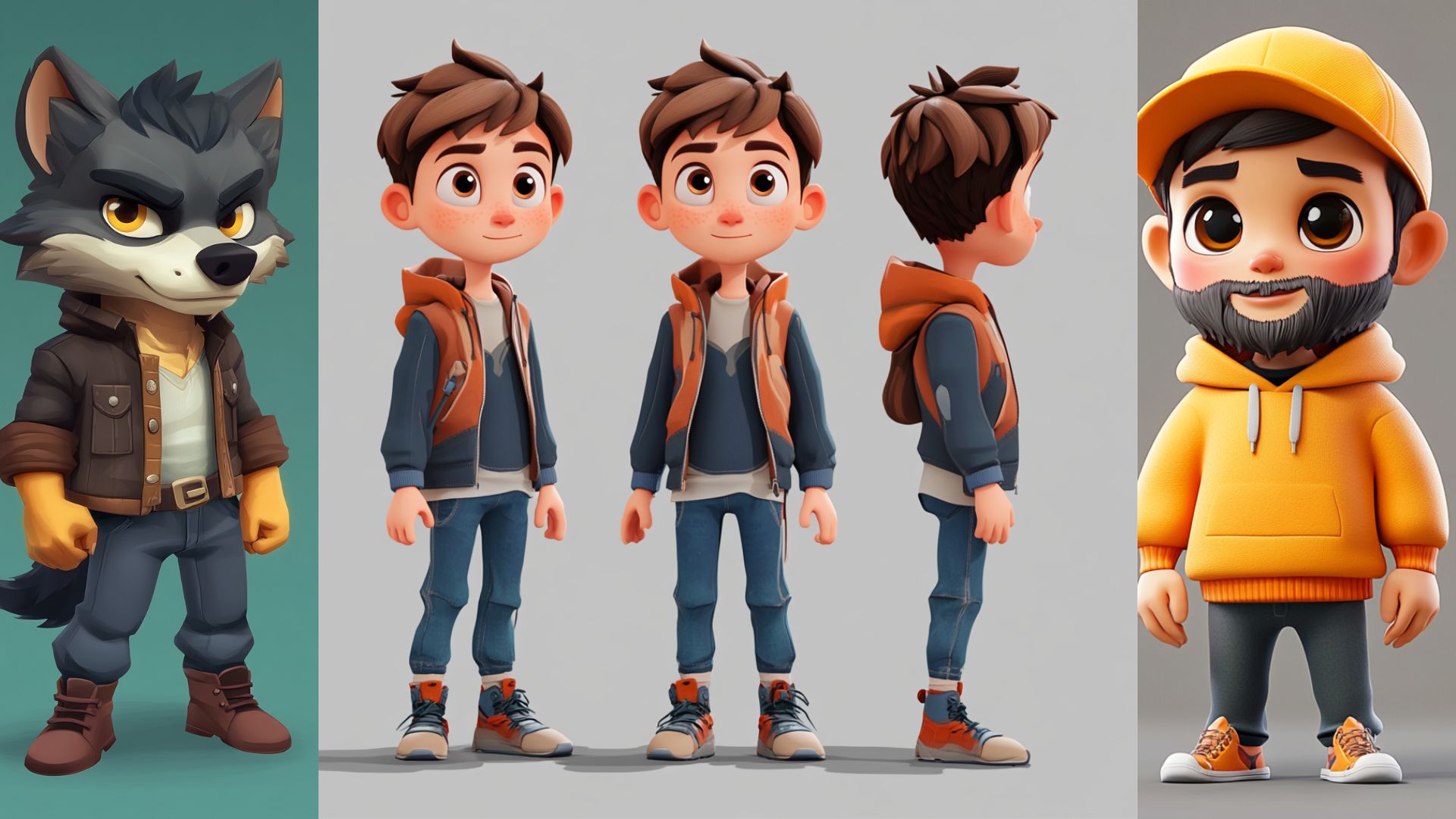
AI Characters did not appear suddenly in their current form. Initially, digital chats focused on quick replies and basic assistance. I remember when conversations felt transactional and short. However, people wanted more than instant answers. We wanted continuity, tone, and familiarity. As a result, AI Characters slowly became central to digital interaction.
In comparison to early bots, today’s systems focus on personality. They respond in ways that feel consistent across sessions. This shift happened because online communication itself changed. Social platforms normalized constant interaction, so conversational tools followed the same path. Clearly, personality-based interaction became more appealing than one-off replies.
Although early systems lacked memory depth, progress continued steadily. Developers began shaping AI Characters around behavior patterns instead of fixed scripts. Eventually, chat interactions felt less mechanical and more conversational, setting the foundation for deeper engagement.
Why Chat-Based AI Characters Feel More Natural Over Time
Chat feels natural because it mirrors human habits. We already spend hours typing messages daily. AI Characters fit seamlessly into this routine. They respond instantly, follow context, and maintain tone. In comparison to form-based interfaces, chat feels fluid.
AI Characters rely on structured behavior rules. These rules define how they speak, react, and pause. Social Media discussions often highlight how tone consistency affects comfort. Likewise, pacing matters. Replies that are too fast or too long can feel unnatural.
Despite technical limits, chat-based systems work well because they adapt to human rhythm. Over time, users adjust their expectations. As a result, interactions feel smoother and more familiar.
How Personality Frameworks Shape Every Interaction
Every AI Character starts with a personality framework. This framework defines tone, boundaries, and reaction style. Initially, creators write these rules carefully to avoid confusion. Subsequently, real usage reveals gaps that need adjustment.
Personality frameworks often include:
- Preferred communication style
- Emotional range limits
- Topic sensitivity
These elements help maintain consistency. In comparison to random responses, structured behavior feels reliable. Social Media feedback often highlights how predictable personalities feel more trustworthy.
Although frameworks are invisible to users, they influence every reply. Eventually, well-defined personalities become the reason users return.
Why Consistency Matters More Than Complexity
Complex systems can confuse users if behavior shifts unexpectedly. We learned that consistency matters more than advanced features. AI Characters that behave predictably build trust faster.
In comparison to systems packed with options, simple personalities feel approachable. Users forgive limitations but not sudden changes. Admittedly, maintaining consistency requires discipline from developers.
Social Media discussions often point out when updates break character tone. Consequently, updates now focus on preserving identity. Thus, consistency remains a core priority.
How Memory Handling Affects Conversation Quality
Memory separates basic chat tools from meaningful interaction. AI Characters that remember recent context feel attentive. Initially, memory was shallow and reset often. However, developers refined what should persist.
Memory design focuses on relevance. Storing everything creates confusion. Instead, systems prioritize:
- Ongoing topics
- User preferences
- Session continuity
As a result, conversations feel connected without being overwhelming. In the same way, selective memory improves long-term interaction quality.
Why Open Systems Encourage Better Interaction Design
Open systems allow transparency. Platforms like OpenCharacter.org show how characters behave and change. We appreciate systems where updates are visible and discussed openly.
In comparison to closed tools, open platforms benefit from community input. Social Media conversations often influence feature direction. Likewise, users feel more confident when behavior rules are not hidden.
This openness leads to better interaction design. They test ideas publicly and refine them based on feedback. Consequently, AI Characters improve steadily.
How Interaction Styles Differ Across Use Cases
AI Characters serve many purposes. Some users prefer casual chat, while others seek focused interaction. Designers account for these differences by offering flexible personality setups.
Interaction styles may vary in:
- Formality level
- Response length
- Emotional tone
Despite variety, core consistency remains. In comparison to rigid systems, flexible interaction feels more inclusive. Users choose characters that match their preferences.
Why Creative Writing Benefits From AI Characters
Creative writers often use AI Characters to test dialogue and pacing. I have seen writers refine scenes by chatting with characters in real time. This interactive approach feels more dynamic than static drafting.
One user described Open Character as an AI character website that supports creative experimentation. This feedback encouraged improvements in session continuity.
Social Media posts about creative workflows often inspire feature updates. As a result, creative use cases shape interaction design.
How Roleplay Demands Deeper Interaction Logic
Roleplay places high demands on consistency. AI Characters must stay in character across extended sessions. One contributor shared experiences with AI roleplay chat that required remembering relationships and story arcs.
Although roleplay is a specific use case, it exposes weaknesses quickly. Developers use this feedback to refine memory handling and tone stability.
In the same way, improvements made for roleplay benefit all users. Consequently, interaction quality rises across the platform.
Why Fantasy Scenarios Push Interaction Boundaries
Fantasy interactions often involve layered contexts and rules. A user once shared experiences with AI fantasy chat that revealed limits in context tracking.
Instead of ignoring these challenges, developers discussed them openly. Social Media threads analyzed what worked and what failed. Subsequently, improvements focused on balancing depth and performance.
Fantasy use cases may seem niche. However, they push systems toward higher reliability.
How Tone Control Shapes User Comfort
Tone influences how safe and comfortable users feel. AI Characters that sound too rigid feel distant. Those that sound overly casual may feel inappropriate.
Developers fine-tune tone rules carefully. Social Media feedback often points out awkward phrasing. Consequently, updates refine tone gradually.
Tone control ensures that interaction remains pleasant. Even small adjustments affect perception significantly.
Why Boundaries Are Essential for Healthy Interaction
Boundaries protect both users and systems. AI Characters must avoid certain topics and behaviors. Initially, boundaries were broad. Subsequently, they became more precise.
Healthy boundaries include:
- Clear topic limits
- Balanced emotional responses
- Predictable pacing
Despite restrictions, interaction remains engaging. In fact, boundaries often increase trust. Users feel secure when behavior stays within known limits.
How Language Choice Affects Interaction Flow
Language shapes interaction flow. Short sentences feel quick and casual. Longer sentences feel reflective. AI Characters adjust language based on personality rules.
Developers test phrasing variations carefully. Social Media users often comment on readability. As a result, language rules evolve steadily.
Language choices reflect attitude. They influence whether interaction feels supportive, neutral, or informative.
Why Community Feedback Shapes Interaction Quality
Community feedback remains essential. We read comments, reviews, and discussion threads regularly. Social Media acts as a public testing ground.
In comparison to private surveys, open discussion reveals patterns faster. Developers address recurring issues systematically.
Not only does this improve interaction quality, but it also builds shared ownership. Users feel heard.
How Interaction Speed Influences Perception
Speed affects perception. AI Characters that reply too fast may feel unnatural. Those that respond too slowly feel unresponsive.
Developers adjust response pacing carefully. Social Media feedback often highlights pacing issues. Consequently, systems balance speed with realism.
Interaction feels smoother when pacing matches expectation.
Why Transparency Builds Long-Term Trust
Transparency builds confidence. OpenCharacter.org shares updates and system notes openly. Users discuss these changes across Social Media.
In comparison to silent updates elsewhere, openness reduces confusion. They know why behavior changes.
Eventually, transparency builds loyalty. Users trust systems that explain themselves.
How Cultural Context Shapes Interaction Design
AI Characters interact with users worldwide. Cultural context matters. Tone acceptable in one region may feel off in another.
Open feedback helps identify issues early. Social Media users often point out cultural mismatches. As a result, adjustments improve inclusivity.
Although perfect alignment is impossible, awareness reduces friction.
Why Simplicity Improves Interaction Longevity
Overly complex systems often struggle long-term. We learned that simple interaction rules perform better. AI Characters benefit from stable behavior over flashy features.
In comparison to feature-heavy designs, simple systems feel reliable. Users return because they know what to expect.
Admittedly, restraint is challenging. However, it improves interaction longevity.
How Daily Interaction Habits Are Evolving
Daily routines now include digital interaction. Some users chat briefly during breaks. Others use AI Characters for creative focus.
Social Media mentions often describe these interactions as routine. Although concerns about overuse exist, responsible design addresses them.
Interaction remains optional and user-driven.
Why Interaction Design Must Stay Flexible
User needs change. Interaction design must adapt. We plan updates cautiously to avoid disrupting behavior.
Social Media announcements often explain update reasoning. Hence, users adjust smoothly.
Flexibility ensures that interaction stays relevant without breaking consistency.
How Future Interaction Will Focus on Stability
Future development will likely prioritize stability. Users prefer dependable AI Characters over dramatic changes.
OpenCharacter.org reflects this approach. Updates focus on refinement rather than overhaul.
Stability allows interaction to grow naturally.
Conclusion: A Practical Path for Chat, Roleplay, and Interaction
AI Characters have become central to digital interaction. I see them as carefully shaped personalities rather than simple tools. We design them with consistency, boundaries, and transparency.
They support chat, creative roleplay, and meaningful interaction without replacing human connection. Their growth depends on shared feedback and thoughtful design. As technology progresses, AI Characters will continue to reflect how we communicate, create, and interact online.