
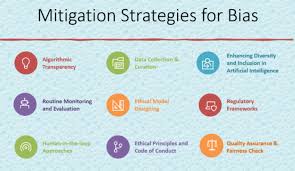
Introduction
Artificial intelligence is shaping decisions that affect real people every day. From hiring and lending to healthcare and marketing, AI systems influence outcomes at scale. With this influence comes responsibility. One of the biggest challenges organizations face today is bias in AI systems. This is why understanding and applying ai bias mitigation techniques is no longer optional. It is essential for building fair, trusted, and sustainable AI.
Bias does not always come from bad intent. Often, it emerges quietly through data, design choices, or lack of oversight. When left unchecked, it can damage trust, expose businesses to legal risk, and harm users. Addressing this challenge requires a thoughtful, human-centered approach grounded in transparency and accountability.
What Is AI Bias and Why It Matters
AI bias occurs when an algorithm produces systematically unfair outcomes for certain groups. These outcomes may favor or disadvantage people based on attributes such as gender, age, ethnicity, location, or socioeconomic background.
Bias matters because AI systems are often perceived as neutral. When biased systems are deployed, unfair decisions can scale rapidly. This creates real-world consequences.
Ai bias mitigation techniques help organizations recognize these risks early. They ensure AI supports equality rather than reinforcing existing disparities.
How Bias Enters AI Systems
Bias can enter AI systems at many stages.
Data is a common source. Historical data may reflect human prejudice or unequal access. When models learn from this data, they inherit its flaws.
Design decisions also play a role. Developers may unintentionally prioritize certain outcomes over others.
Finally, lack of monitoring allows bias to persist. Models change as data evolves. Without oversight, fairness can degrade.
Understanding these entry points is the first step toward applying effective ai bias mitigation techniques.
The Business Impact of AI Bias
Bias is not just an ethical issue. It is a business risk.
Biased AI systems can lead to regulatory penalties, reputational damage, and customer loss. Trust once broken is hard to rebuild.
Organizations that invest in ai bias mitigation techniques protect their brand and long-term value. They demonstrate responsibility and foresight.
Fair AI also drives better performance. Inclusive systems produce more accurate and reliable outcomes.
Bias Mitigation as a Continuous Process
Mitigating bias is not a one-time task.
Ai bias mitigation techniques must be applied throughout the AI lifecycle. This includes data collection, model training, deployment, and monitoring.
Continuous evaluation ensures that systems remain fair as conditions change.
This lifecycle approach helps organizations move from reactive fixes to proactive governance.
Data-Centric AI Bias Mitigation Techniques
Data is the foundation of AI.
High-quality, representative data reduces bias at the source. This includes diverse data sampling and careful labeling.
Data audits help identify imbalances. Missing or underrepresented groups are addressed early.
Ai bias mitigation techniques at the data level are among the most effective. They prevent issues before models are trained.
Model-Level Bias Mitigation Techniques
Even with strong data practices, models can still introduce bias.
Algorithmic adjustments help address this. Fairness constraints and regularization techniques balance outcomes across groups.
Model interpretability is also important. When teams understand how models make decisions, bias becomes easier to detect.
Applying ai bias mitigation techniques during model development improves transparency and control.
Human Oversight and Ethical Review
Technology alone cannot solve bias.
Human judgment remains essential. Diverse review teams bring different perspectives.
Ethical review boards help evaluate impact before deployment.
Ai bias mitigation techniques are most effective when supported by strong human oversight.
This human-centered approach builds confidence and accountability.
Bias Monitoring After Deployment
Bias can emerge over time.
User behavior changes. Data patterns shift. Models adapt.
Ongoing monitoring detects these changes early. Metrics track fairness across demographics.
Ai bias mitigation techniques that include continuous monitoring ensure long-term reliability.
Regulatory and Compliance Considerations
AI regulations are evolving worldwide.
Many frameworks now emphasize fairness and transparency.
Organizations that adopt ai bias mitigation techniques are better prepared for compliance.
Proactive governance reduces legal uncertainty and operational risk.
Industry Applications of Bias Mitigation
Different industries face different bias challenges.
In finance, fairness in lending and credit scoring is critical.
In healthcare, biased models can affect diagnosis and treatment.
In hiring, AI must support equal opportunity.
Across industries, ai bias mitigation techniques adapt to specific contexts.
Building Trust Through Fair AI
Trust is the foundation of AI adoption.
Users want to know that systems are fair and accountable.
Organizations that prioritize ai bias mitigation techniques communicate transparency.
This builds trust with customers, employees, and regulators.
Challenges in Implementing Bias Mitigation
Bias mitigation is complex.
Trade-offs may arise between accuracy and fairness.
Measuring fairness is not always straightforward.
Ai bias mitigation techniques require expertise and commitment.
Despite challenges, the benefits far outweigh the effort.
The Role of AI Governance in Bias Mitigation
Governance provides structure.
Clear policies define fairness goals and accountability.
Ai bias mitigation techniques align with governance frameworks.
Together, they support responsible AI at scale.
The Future of AI Bias Mitigation Techniques
Bias mitigation will continue to evolve.
New tools and standards will emerge.
Organizations that invest early will lead the way.
Ai bias mitigation techniques will become a competitive advantage.
Creating a Fair AI Culture
Technology reflects culture.
Training and awareness are essential.
Teams must understand bias and its impact.
Ai bias mitigation techniques succeed when fairness becomes a shared value.
Conclusion
Fair and trusted AI is achievable.
It requires intention, expertise, and continuous effort.
Ai bias mitigation techniques provide the foundation for responsible innovation.
By addressing bias proactively, organizations protect people, build trust, and create lasting value.
FAQs
What are ai bias mitigation techniques?
They are methods used to identify, reduce, and manage bias in AI systems across the lifecycle.
Why are ai bias mitigation techniques important?
They help ensure fairness, build trust, and reduce legal and reputational risk.
Can AI ever be completely unbiased?
Complete neutrality is difficult, but ai bias mitigation techniques significantly reduce unfair outcomes.
When should bias mitigation be applied?
Bias mitigation should be applied from data collection through deployment and monitoring.
Do ai bias mitigation techniques reduce model accuracy?
Sometimes trade-offs exist, but fair models often perform better in real-world conditions.
Who is responsible for AI bias mitigation?
Responsibility is shared across data scientists, business leaders, and governance teams.
Must Read – ai sales forecasting software