
Introduction
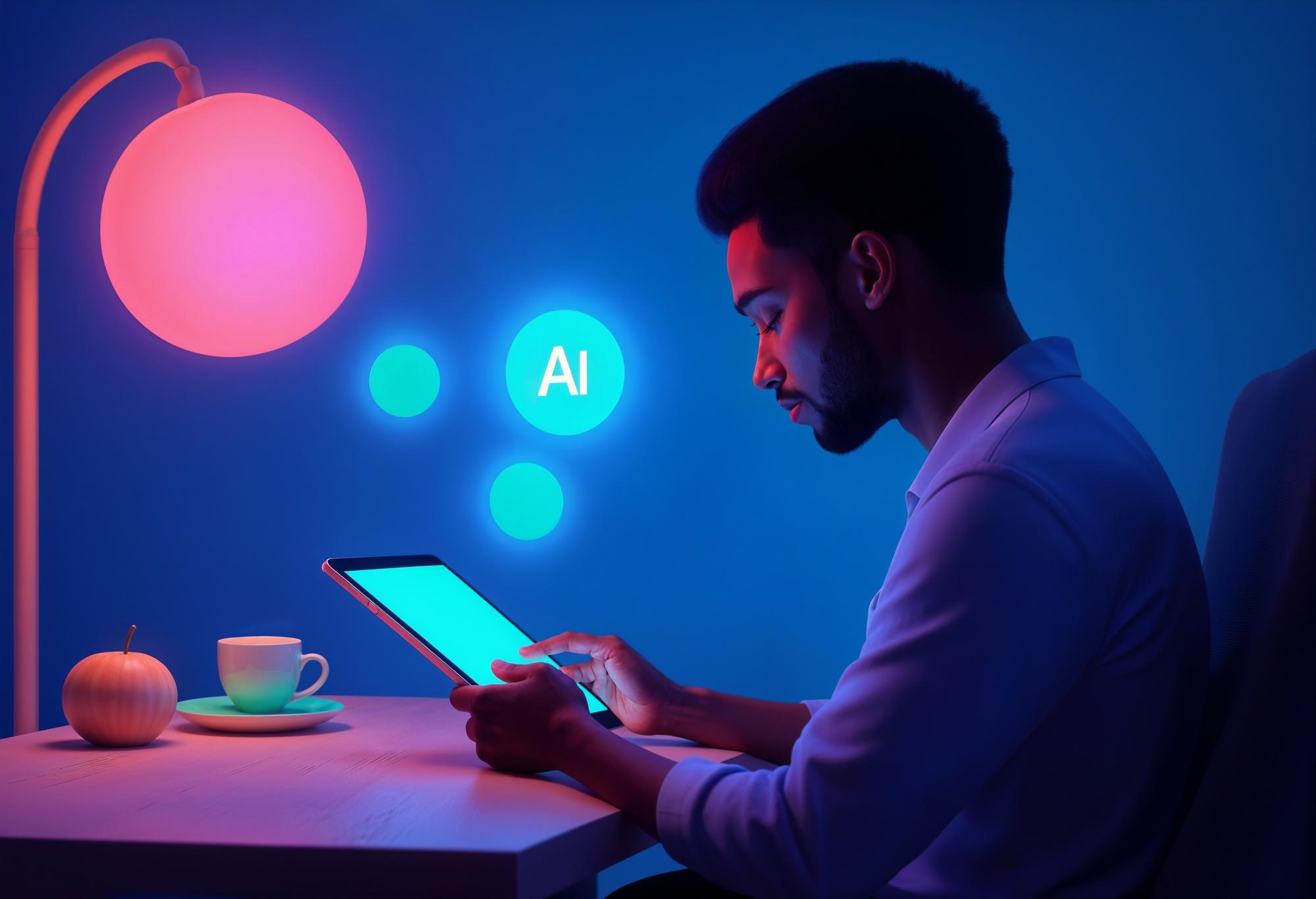
Human-computer interaction is heading past text and voice. Powered by sophisticated multimodal models, Agent AI is changing our interaction with machines by seamlessly combining speech, vision, gestures, and context awareness. This technology is transforming interaction in all sectors from virtual assistants to customer service bots. Businesses looking to leverage this advancement can partner with an AI agent development company to build intelligent, multimodal AI-driven solutions.
Why Agent AI is the Next Frontier
Traditional AI systems rely on single-mode inputs (e.g., text-only chatbots). Agent AI integrates:
Natural Language Processing (NLP) – Understands and generates human-like text
Computer Vision – Interprets images, videos, and real-world environments
Speech Recognition & Synthesis – Enables fluid voice interactions
Sensor Fusion – Combines data from wearables, IoT devices, and AR/VR
Example: An Agent AI in healthcare can analyze a patient’s speech (tone, hesitation), facial expressions (pain detection), and medical records simultaneously for accurate diagnostics.
Key Innovations Driving Agent AI
1. Multimodal Foundation Models
Models like GPT-4V (Vision), Gemini 1.5, and OpenAI’s Voice Engine process text + images + audio in a unified framework, enabling richer interactions.
2. Context-Aware Personalization
Agent AI remembers user preferences across sessions, adapting responses based on:
-
Past interactions
-
Environmental cues (location, device type)
-
Emotional tone (frustration, urgency)
3. Autonomous Task Execution
Unlike simple chatbots, Agent AI can:
Book appointments by scanning calendars and emails
Troubleshoot tech issues via screen-sharing + voice guidance
Negotiate prices by analyzing market trends and customer sentiment
Real-World Applications of Agent AI
By allowing multimodal, context-aware interactions bridging humans and machines, AI Agent Useful Case Study examples show its impact across industries. AI-driven virtual nurses in healthcare analyze patient speech patterns, facial expressions, and wearable biometric data to pick up early signs of depression or chronic pain, therefore raising diagnostic accuracy by 40%. By using voice instructions, AR try-ons, and purchase history to provide very personal recommendations, retailers improve sales by 25%.
Manufacturing plants use vision-enabled Agent AI with smart glasses to guide technicians through complex repairs—overlaying real-time instructions while interpreting hand gestures and equipment diagnostics, reducing errors by 30%. In customer service, multimodal AI agents process tone, facial cues, and past interactions to de-escalate frustrated callers, cutting resolution time in half. Even education is evolving, with AI tutors adapting lessons based on voice frustration levels, eye tracking, and quiz performance.
The most groundbreaking use cases merge IoT and AI—like autonomous drones that see, listen, and respond to verbal commands during search-and-rescue missions. As Agent AI integrates with robotics and brain-computer interfaces, its potential will stretch from smart homes to space exploration, creating a future where machines understand humans as naturally as people understand each other.
Current Challenges in Agent AI Adoption
While Agent AI promises revolutionary benefits, several hurdles must be overcome for widespread adoption:
-
Data Privacy & Security Risks
-
Multimodal AI requires access to sensitive inputs (voice, video, biometrics).
-
Solution: Federated learning and on-device processing minimize cloud data exposure.
-
-
Bias in Multimodal Models
-
Vision/speech models can inherit biases from training data (e.g., racial/gender disparities).
-
Solution: Synthetic data augmentation and fairness-aware algorithms.
-
-
High Computational Costs
-
Processing video, audio, and text simultaneously demands GPU-heavy infrastructure.
-
Solution: Quantization techniques and specialized AI chips (e.g., TPUs).
-
-
Latency in Real-Time Interactions
-
Delays in processing sensor data degrade user experience.
-
Solution: Edge AI deployment (e.g., NVIDIA Jetson for local inference).
-
-
Regulatory Uncertainty
-
Laws lag behind AI advancements (e.g., GDPR for voice cloning).
-
Solution: Proactive compliance frameworks (e.g., ISO 42001 for AI governance).
-
The Future of Agent AI (2025-2030)
-
Embodied AI Agents
-
Robots with multimodal AI will perform physical tasks (e.g., Boston Dynamics + ChatGPT-V).
-
-
Brain-Computer Interfaces (BCIs)
-
Direct neural communication via devices like Neuralink, enabling thought-controlled AI.
-
-
Self-Learning Systems
-
AI agents that evolve without retraining (e.g., OpenAI’s “auto-learning” prototypes).
-
-
Quantum AI Acceleration
-
Quantum machine learning will enable instant multimodal analysis for complex scenarios.
-
-
AI Legislation & Ethics
-
Global standards for multimodal AI accountability (similar to aviation safety protocols).
-
Conclusion: The Dawn of a New Era in Human-Machine Interaction
Agent AI marks a basic change in how people and technology work together, driving us towards a future in which machines know and react with human-like contextual sensitivity. By smoothly combining speech, vision, and environmental sensing, these technologies are currently transforming sectors from manufacturing to healthcare with observable efficiency and accuracy gains. Rising developments in federated learning and edge computing are therefore opening the door for ethical use even if issues regarding privacy, bias, and computational requirements still exist. The next decade will see Agent AI evolve beyond digital interfaces into embodied systems capable of physical interaction and even direct neural communication. Organizations that embrace this technology now and hire AI developers will gain a decisive competitive advantage in customer experience, operational intelligence, and innovation capacity. As we stand at this inflection point, one truth becomes clear: Agent AI isn’t just changing how we interact with machines—it’s redefining what’s possible in human-computer collaboration.