
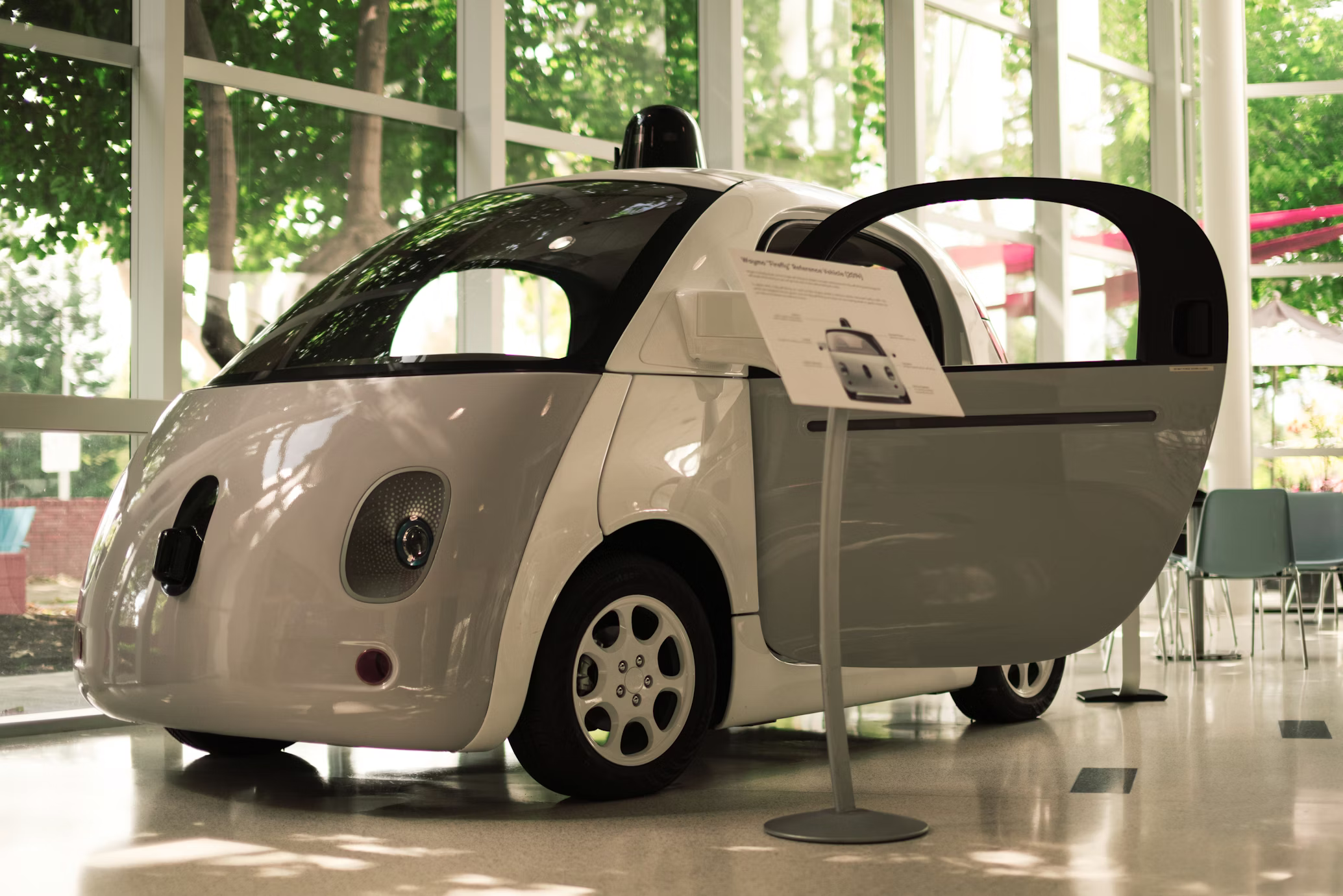
The Consumer Electronics Show (CES) 2025 in Las Vegas revealed plenty of innovations in the automobile industry. Automated driving technologies were showcased such as the self-driving trucks developed by John Deere. Its first self-driving articulated dump truck (ADT) aims to computerize repetitive tasks to enhance efficiency. Autonomous vehicles (AVs) are poised to redefine the automotive landscape this year from robotaxi services to pluggable driver assistance systems. However, the question that behooves everyone is accountability. Who is responsible when artificial intelligence (AI) and machine learning (ML) take over making instantaneous decisions that can affect traffic outcomes and road safety?
Moral and Ethical Dilemma
The ethical and moral issues surrounding liability in autonomous vehicles are a complex one. For example, when buying an electric vehicle (EV), you will be faced with different choices and features. Technological advancements also mean that not only EVs have improved range and charge times but also advanced driver assistance systems (ADAS) offering semi-autonomous driving and collision avoidance. EVs feature zero-emission performance as well as safety and security. However, the same questions arise when AI is part of the equation.
AVs will encounter situations where decisions must be made in the blink of an eye that can have life or death consequences. To illustrate, if an obstacle suddenly emerges, the car will elect whether to avoid hitting a pedestrian or not. If it does, the car may crash resulting in possible injuries or deaths. On the other hand, the car can choose the safety of its occupants over pedestrians and other road users. In addition, AI can make discriminatory decisions if it is taught to use prejudiced data. For instance, the vehicle might give precedence to the safety of riders in certain demographics over others. Therefore, it is critical to identify and diminish potential biases in the AI’s algorithm to ensure a fair and just outcome for all motorists. All these are complex issues where there’s no easy answer or common agreement.
Legal Responsibility
Unfortunately, in the event of an accident, the question remains – who is liable for the consequences? For one, clear legal and ethical frameworks are required to identify liability and ensure accountability. Car manufacturers could be held liable for design flaws or software glitches that lead to mishaps. They can also take responsibility for the ethical algorithms that control the vehicle’s decision-making. Furthermore, existing traffic laws and infrastructure may not adequately address the requirements and complexities of AVs.
Regardless, drivers even in autonomous mode may still be held accountable, if they fail to properly react or supervise the self-driving system or step in during critical situations. If a user also intentionally misuses the autonomous features of the car, they can be held responsible for any resulting accidents. Likewise, programmers can be blamed if the design and program result to discriminatory or unequitable outcomes.
Feasible Options and Contingency Plans
In addition to establishing clear liability frameworks, contingency plans must be developed to cope with unforeseen events or malfunctions in self-driving vehicles. Ideally, AVs must possess highly responsive and reliable emergency braking systems that can be activated immediately in critical situations. Current self-driving vehicles already incorporate high-tech automatic emergency braking systems (AEBS) fitted with advanced sensors like radar, lidar, and camera. These systems can detect potential collisions with cars, pedestrians, and cyclist with a high degree of accuracy. As such, the systems initiate braking maneuvers when obstructions and possible collisions are identified. Ongoing research and development constantly improve these systems. Unfortunately, precise and reliable sensor data is critical for the AEBS to work effectively. Hence, factors like weather conditions, lighting, and obstructions can affect the performance and efficacy of sensors. Implementing redundant systems including multiple sensors and backup braking systems can ensure reliability of the operation in case of component or part failure.
Furthermore, manual override systems may be included so that a human driver can quickly take control of the vehicle in cases of emergencies. To avoid panicking, the interface for manual control must be easy to use in stressful situations. Likewise, a team of remote human operators can monitor vehicle systems and help in dangerous situations. It may even be possible to intervene and take control of the AV remotely. Needless to say, continuous monitoring and improvement of AV technology based on real-world data and changing safety standards guarantee the secure deployment of self-driving vehicles. Similarly, ethical guidelines and public engagement ensure that AVs confirm to shared values and concerns.
AVs have the potential to enhance road efficiency, bring down traffic incidents, and even minimize environmental impact. But more still needs to be done to determine liability by establishing clear legal and ethical frameworks ensuring that the technology is safely and responsibly used.