
Abu Dhabi’s transformation into a world-class smart city represents one of the Middle East’s most ambitious urban technology initiatives, driven by the Abu Dhabi Digital Strategy 2025-2027 and supported by AED 13 billion in systematic infrastructure investment that creates unprecedented opportunities for IoT-enabled mobile applications. The emirate’s comprehensive approach to smart city development encompasses traffic optimization, energy management, environmental monitoring, and citizen service delivery through integrated IoT sensor networks that generate massive data streams requiring sophisticated mobile app solutions for real-time processing and user engagement.
This digital transformation initiative positions Abu Dhabi as a global testbed for smart city innovation, with over 200 AI solutions being implemented across government services and comprehensive IoT infrastructure deployment that enables third-party developers to create value-added mobile applications serving both government entities and private sector organizations. The systematic approach to smart city development creates predictable market opportunities while establishing technical standards and procurement frameworks that guide mobile app development companies seeking to participate in this rapidly expanding urban technology ecosystem.
Abu Dhabi’s Smart City Vision and Infrastructure Foundation
Digital Strategy Framework and Investment Scale
The Abu Dhabi Digital Strategy 2025-2027 establishes comprehensive frameworks for smart city infrastructure development, with systematic investment in IoT sensor networks, real-time data processing capabilities, and mobile-first citizen engagement platforms that create the foundation for innovative urban applications. This strategic framework prioritizes interoperability, data sovereignty, and citizen-centric service delivery while maintaining the scalability and security standards necessary for sustainable smart city development across diverse urban environments and service categories.
The Department of Government Enablement (DGE) coordinates smart city initiatives across all Abu Dhabi government entities, ensuring standardized approaches to data collection, processing, and citizen service delivery that create consistent development opportunities for mobile app companies. This centralized coordination eliminates fragmentation while establishing clear technical specifications, procurement procedures, and partnership frameworks that streamline market entry for qualified technology providers capable of meeting government standards and citizen service requirements. (Source: dge)
The smart city infrastructure encompasses multiple interconnected systems, including intelligent transportation networks, smart energy grids, environmental monitoring arrays, and integrated communication platforms that generate comprehensive datasets requiring sophisticated mobile applications for data visualization, citizen interaction, and operational management. Government entities expect mobile solutions that integrate seamlessly with existing smart city infrastructure while providing intuitive user experiences that accommodate diverse citizen demographics and technical proficiency levels across Abu Dhabi’s multicultural population.
IoT Infrastructure and Connectivity Architecture
Abu Dhabi’s IoT infrastructure deployment utilizes comprehensive sensor networks that monitor traffic patterns, energy consumption, air quality, waste management efficiency, and public space utilization through standardized communication protocols and data formats that enable third-party mobile application integration. The emirate’s smart city architecture supports multiple IoT communication standards, including LoRaWAN for long-range, low-power sensors and NB-IoT for high-density urban deployments that require reliable connectivity across varying environmental conditions and usage scenarios.
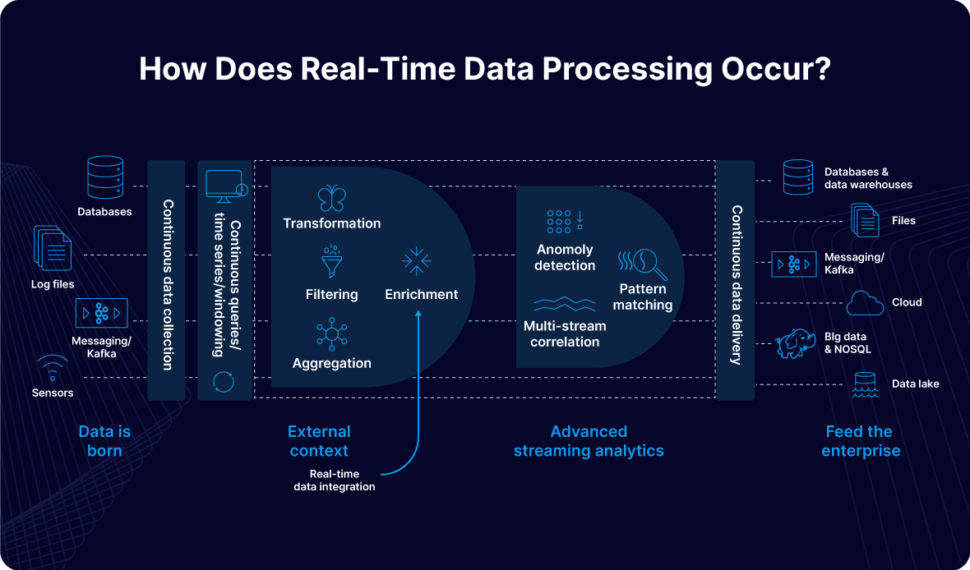
Real-time data processing capabilities enable mobile applications to access live city information through standardized APIs that provide traffic updates, environmental readings, public transportation schedules, and emergency notifications while maintaining data security and citizen privacy standards essential for government service delivery. This API-first approach enables mobile app developers to create innovative solutions that leverage comprehensive city data without requiring direct sensor network access or specialized infrastructure deployment.
The technical architecture includes edge computing capabilities that process sensor data locally before transmitting aggregated insights to central systems, reducing latency while improving mobile app responsiveness and user experience quality. Mobile applications can access both real-time and historical data streams that enable predictive analytics, trend analysis, and proactive service delivery capabilities that enhance citizen experience while supporting government operational efficiency and resource optimization objectives.
Real-Time Traffic and Transportation Solutions
Intelligent Transportation System Integration
Abu Dhabi’s intelligent transportation system generates continuous data streams from traffic sensors, connected vehicles, and public transportation networks that create opportunities for mobile applications focused on commuter optimization, route planning, and multimodal transportation coordination. The transportation infrastructure includes over 3,000 connected traffic signals and monitoring points that provide real-time congestion data, incident reports, and traffic flow predictions essential for navigation applications and transportation planning tools.
Mobile applications can integrate with the Department of Transport’s data feeds to provide live bus locations, arrival predictions, and route optimization recommendations that improve public transportation efficiency while encouraging sustainable mobility choices among Abu Dhabi residents and visitors. This integration requires an understanding of transportation data formats, real-time communication protocols, and user experience design principles that accommodate diverse commuter preferences and travel patterns across the emirate’s expanding urban landscape.
Traffic management applications utilize machine learning algorithms that analyze historical and real-time data to predict congestion patterns, identify optimal routing strategies, and provide proactive notifications about transportation disruptions or alternative route recommendations. Advanced traffic applications can reduce average commute times by 15-25% through intelligent routing and real-time adaptation to changing traffic conditions while supporting government objectives around traffic reduction and environmental sustainability.
Public Transportation Optimization
The Abu Dhabi Department of Transport provides comprehensive APIs that enable mobile applications to access real-time bus locations, schedule updates, and service disruptions while supporting journey planning and multimodal transportation coordination across different transit options, including buses, taxis, and future rail connections. These APIs support both real-time queries and bulk data downloads that enable offline functionality and predictive analysis capabilities essential for comprehensive transportation applications.
Mobile applications serving public transportation users require sophisticated user interface design that accommodates Arabic and English language preferences while providing clear visual information about route options, timing predictions, and service quality indicators. Successful transportation apps typically achieve 40-60% user retention rates when providing accurate real-time information combined with intuitive journey planning and personalized recommendations based on individual travel patterns and preferences.
Integration with payment systems enables seamless fare collection and journey cost optimization while supporting government initiatives around cashless transactions and transportation usage analytics that inform infrastructure planning and service improvement decisions. Transportation applications must comply with government data protection standards while providing transparent information about data collection, usage analytics, and privacy protection measures that build user trust and encourage sustained application adoption.
Energy Management and Sustainability Applications
Smart Grid Integration and Energy Monitoring
Abu Dhabi’s smart grid infrastructure enables mobile applications to access real-time energy consumption data, renewable energy generation statistics, and grid optimization information that empowers citizens to make informed decisions about energy usage while supporting government sustainability objectives. The emirate’s smart grid system includes over 100,000 smart meters that provide detailed consumption data and enable two-way communication between energy providers and consumers through mobile application interfaces.
Energy management applications can integrate with ADEWA (Abu Dhabi Water and Electricity Authority) systems to provide personalized energy usage insights, cost optimization recommendations, and sustainability tracking that encourages conservation behaviors while providing transparency about energy costs and environmental impact. This integration enables features including peak usage alerts, efficiency comparison tools, and automated energy management systems that optimize consumption based on real-time pricing and demand patterns.(Source: smartcitiessaudiexpo)
Solar energy monitoring applications leverage Abu Dhabi’s substantial renewable energy investments, including the Noor Abu Dhabi solar plant and distributed solar installations to provide real-time generation data, environmental impact calculations, and community-wide sustainability metrics that demonstrate progress toward carbon neutrality goals. Energy applications serving residential users can typically reduce consumption by 10-20% through behavioral insights, automated optimization, and gamification features that encourage sustainable energy usage patterns.
Environmental Monitoring and Air Quality Management
Abu Dhabi’s environmental monitoring network includes hundreds of air quality sensors that measure particulate matter, ozone levels, humidity, and temperature across different urban zones while providing real-time data feeds accessible through mobile applications focused on health, outdoor activities, and environmental awareness. This comprehensive monitoring infrastructure enables applications to provide location-specific air quality information, health recommendations, and outdoor activity planning guidance based on current environmental conditions.
Mobile applications serving health-conscious citizens can integrate environmental data with personal health tracking to provide recommendations about outdoor exercise timing, respiratory health management, and activity planning that considers both air quality conditions and individual health requirements or sensitivities. Environmental applications typically achieve higher user engagement during summer months when air quality and temperature variations significantly impact outdoor activity decisions and health management strategies.
Water quality monitoring integration enables applications to provide information about beach conditions, recreational water safety, and environmental compliance status while supporting government transparency initiatives and citizen awareness about environmental protection efforts and regulatory compliance across different geographical areas and seasonal conditions.
IoT Sensor Networks and Mobile App Connectivity
Sensor Data Integration Patterns
Abu Dhabi’s IoT sensor ecosystem utilizes standardized communication protocols, including MQTT for lightweight telemetry transmission and HTTPS for secure command and control functions that enable mobile applications to integrate with diverse sensor types while maintaining security and performance standards. The sensor network architecture supports both real-time streaming and batch data processing that accommodates different mobile application requirements, including instant notifications, historical analysis, and predictive modeling capabilities.
Mobile applications require robust connectivity management to handle intermittent network coverage and varying data quality from distributed sensor networks while providing consistent user experiences across different connectivity scenarios and device capabilities. This connectivity resilience includes local caching strategies, data synchronization protocols, and offline functionality that maintains application utility during network disruptions or high-traffic conditions that may affect real-time data availability.
Edge computing integration enables mobile applications to process sensor data locally before transmitting results to cloud systems, reducing bandwidth requirements while improving response times for time-critical applications, including emergency response, traffic management, and environmental alert systems. Edge processing can reduce mobile app latency by 40-60% while decreasing data transmission costs and improving application performance across varying network conditions and user locations.
Data Security and Privacy Protection
IoT data processing requires comprehensive security frameworks that protect citizen privacy while enabling valuable analytics and service delivery improvements through mobile applications serving government entities and private sector organizations. Security implementations include end-to-end encryption, secure authentication protocols, and data anonymization techniques that comply with UAE personal data protection laws while supporting innovation and service quality improvements.
Mobile applications accessing IoT sensor data must implement role-based access controls, audit logging, and data governance frameworks that ensure appropriate data usage while preventing unauthorized access or misuse of sensitive information about citizen behavior, location patterns, or personal preferences. Government procurement requires demonstrated compliance with cybersecurity standards, including ISO 27001 certification and regular security assessments that validate ongoing protection of citizen data and system integrity.
Data sovereignty requirements ensure that sensitive IoT information remains within UAE borders while enabling analytics and service delivery improvements that support smart city objectives without compromising national security or citizen privacy expectations. Applications processing government IoT data must deploy within the UAE sovereign cloud infrastructure while maintaining integration capabilities with international technology platforms and service providers that support scalable application development and maintenance.
Government Procurement and Partnership Models
ADDA Partnership Framework and Procurement Process
The Abu Dhabi Digital Authority (ADDA) coordinates smart city technology procurement through standardized processes that prioritize technical excellence, cultural adaptation, and long-term sustainability while creating systematic opportunities for mobile app development companies capable of meeting government requirements. ADDA’s procurement framework emphasizes partnerships rather than simple vendor relationships that create shared accountability for project success while enabling knowledge transfer and local capability development that supports sustainable smart city ecosystem growth.
Government smart city contracts typically range from AED 500,000 to AED 5 million for comprehensive mobile application solutions that integrate with multiple IoT systems while serving diverse user populations across government entities and citizen demographics. Contract structures often include performance-based payment schedules, ongoing maintenance requirements, and capability enhancement provisions that create long-term revenue opportunities for qualified technology providers capable of delivering sustained value and continuous improvement.
Partnership qualification requires demonstration of technical expertise in IoT integration, Arabic localization capabilities, government compliance knowledge, and a proven track record in smart city application development or comparable public sector technology projects. Successful government partnerships often begin with pilot projects that demonstrate technical capabilities and cultural understanding before expanding to larger implementations across multiple government entities or city-wide deployment scenarios.
Technical Specifications and Compliance Requirements
Government smart city applications must integrate with UAE Pass authentication systems while maintaining Arabic language interfaces and cultural adaptation standards that serve Abu Dhabi’s diverse population through accessible, intuitive user experiences that accommodate varying technical proficiency levels and language preferences. This integration extends beyond basic authentication to include digital signature capabilities, secure document sharing, and citizen service delivery features that meet government service quality standards.
For companies seeking to develop comprehensive smart city solutions while ensuring compliance with all government requirements, partnering with an experienced IoT mobile app development company in Abu Dhabi provides essential expertise in government API integration, Arabic interface optimization, and smart city infrastructure connectivity that ensures successful project delivery and long-term partnership development.
Data residency and sovereignty requirements mandate local infrastructure deployment for applications processing sensitive government or citizen information while enabling integration with international cloud platforms and technology services that support scalable application architecture and maintenance capabilities. Compliance frameworks include regular security audits, performance monitoring, and capability assessments that ensure ongoing alignment with government standards and citizen service expectations.
API integration standards require compatibility with government data exchange protocols while supporting real-time data access, batch processing capabilities, and system interoperability across different government entities and smart city infrastructure components. Applications must demonstrate scalability to support up to 1 million concurrent users while maintaining response times under 200 milliseconds and availability exceeding 99.9% to meet government service level requirements and citizen satisfaction expectations.
Development Toolkit and Technical Implementation
Smart City API Integration and Development Resources
Abu Dhabi provides comprehensive developer resources, including API documentation, sandbox environments, and testing frameworks that enable mobile app developers to integrate with smart city infrastructure while validating functionality and performance before production deployment. The ADDA developer portal includes sample code, integration tutorials, and technical support resources that accelerate development timelines while ensuring compliance with government standards and technical specifications.
IoT integration requires an understanding of multiple communication protocols, including MQTT for sensor data subscription, WebSocket for real-time updates, and RESTful APIs for configuration and control functions that enable comprehensive mobile application functionality across different smart city systems and service categories. Development frameworks must accommodate offline functionality, data synchronization, and error handling that maintain application utility across varying connectivity conditions and user scenarios.
Mobile application architecture should include modular components that enable integration with different smart city subsystems while maintaining code reusability and scalability for future feature expansion or additional city service integration. Successful smart city applications typically utilize a microservices architecture that separates data processing, user interface, and integration functions while enabling independent scaling and maintenance of different application components based on usage patterns and performance requirements.
Performance Optimization and User Experience Design
Smart city mobile applications require optimization for real-time data processing while maintaining responsive user interfaces that accommodate high-frequency updates from multiple IoT data sources without degrading application performance or user experience quality. Performance optimization includes efficient data caching, background processing, and selective update mechanisms that minimize battery consumption while maximizing information currency and user engagement.
User interface design must accommodate both Arabic and English language preferences while providing intuitive navigation and clear information presentation that serves diverse user demographics, including government employees, citizens, tourists, and business users with varying technical expertise and application usage patterns. Cultural adaptation extends beyond language translation to include appropriate color schemes, interaction patterns, and information hierarchy that resonate with regional user expectations and cultural preferences.
Accessibility features ensure application usability for users with disabilities while maintaining compliance with UAE government accessibility standards and international best practices for inclusive design. Accessibility implementations include screen reader compatibility, voice navigation support, and visual accessibility features that enable comprehensive application access across diverse user capabilities and assistive technology requirements.
Market Opportunities and Implementation Success Strategies
Vertical Market Applications and Specialization
Healthcare smart city applications can integrate patient monitoring sensors, air quality data, and transportation information to provide comprehensive health management tools that support both individual wellness and public health objectives while complying with healthcare data protection requirements and cultural health practices prevalent in the UAE market. These applications create opportunities for partnerships with healthcare providers, insurance companies, and government health departments focused on preventive care and population health management.
Tourism and hospitality applications leverage location sensors, transportation data, and environmental monitoring to provide personalized visitor experiences while supporting Abu Dhabi’s economic diversification objectives and tourism sector development. Smart tourism applications can integrate with hotel systems, attraction management, and transportation services to provide comprehensive visitor support while generating valuable analytics about tourism patterns and visitor preferences that inform destination marketing and infrastructure planning decisions.
Education sector applications utilize environmental monitoring, transportation optimization, and facility management data to support smart campus initiatives and educational service delivery while aligning with the UAE Vision 2030 educational transformation objectives. Educational applications can integrate IoT sensors for classroom management, campus security, and student transportation while providing parents and administrators with real-time information about educational facility conditions and student safety measures.
Long-term Growth and Regional Expansion
Success in Abu Dhabi’s smart city market creates opportunities for regional expansion across other GCC markets, implementing similar digital transformation initiatives, including Saudi Arabia’s NEOM project, Qatar’s National Development Strategy, and Dubai’s Smart City 2025 initiative. Regional expansion leverages proven smart city expertise while adapting to different regulatory requirements, cultural contexts, and infrastructure development priorities across different national markets and urban development approaches.
International market opportunities emerge through demonstrated expertise in culturally sensitive smart city application development that accommodates Islamic values, Arabic language requirements, and government integration standards that distinguish regional markets from Western smart city implementations. Companies achieving success in the UAE smart city markets gain credible experience that supports expansion into other emerging markets with comparable cultural characteristics and government-led digital transformation initiatives.
Partnership development with international technology companies creates opportunities for knowledge transfer, capability enhancement, and market access that support sustained growth and competitive positioning in the rapidly evolving global smart city technology marketplace. Strategic partnerships can provide access to advanced IoT technologies, analytics platforms, and integration capabilities that enhance application functionality while reducing development costs and accelerating time-to-market for innovative smart city solutions.
Conclusion and Strategic Recommendations
Abu Dhabi’s smart city transformation represents a comprehensive opportunity for mobile app developers capable of integrating IoT sensor data, real-time processing capabilities, and citizen-focused user experiences that support government digital transformation objectives while delivering measurable value to diverse user communities. The systematic approach to smart city development creates predictable market opportunities while establishing technical standards and procurement frameworks that guide successful market entry and partnership development strategies.
Technical success requires expertise in IoT communication protocols, real-time data processing, Arabic localization, and government compliance standards that differentiate comprehensive smart city solutions from basic mobile applications lacking integration depth or cultural adaptation capabilities. Companies investing in these specialized capabilities position themselves for sustained competitive advantage while contributing to Abu Dhabi’s vision of becoming a global model for smart city innovation and citizen service excellence.
Market entry should prioritize partnership development with government entities, local technology providers, and international platform companies that provide access to essential capabilities, market knowledge, and scaling resources necessary for comprehensive smart city application development. The convergence of government investment, infrastructure maturity, and citizen technology adoption creates unprecedented opportunities for qualified developers capable of delivering authentic value through innovative, culturally appropriate, and technically excellent smart city mobile applications that serve Abu Dhabi’s ambitious urban transformation objectives.
The smart city market rewards authentic technical innovation combined with cultural understanding and government partnership capabilities that create sustainable competitive advantages in one of the world’s most ambitious and well-funded urban technology development programs. Companies that engage with this opportunity today position themselves for long-term success in the rapidly expanding global smart city technology marketplace while contributing to sustainable urban development and citizen quality of life improvements that benefit communities far beyond Abu Dhabi’s boundaries.