
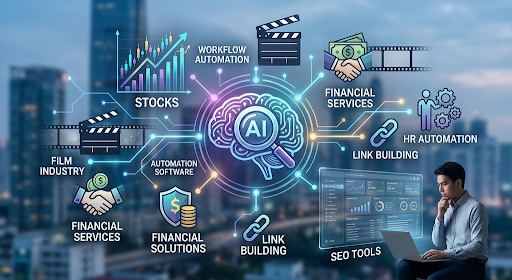
The New Architecture of Search and Strategy
The digital landscape is undergoing a fundamental transformation. For years, the interplay between information retrieval and user intent was governed by static algorithms and manual optimization efforts. However, the emergence of advanced machine learning models has turned the traditional search experience into a dynamic, generative conversation. As these systems evolve, they no longer just index pages; they synthesize vast amounts of knowledge to provide direct, actionable answers. This shift necessitates a move away from legacy methods toward an architecture that treats content as a structured, entity-based asset designed for machine comprehension.
The fusion of these intelligent systems with organizational workflows is not merely a technical upgrade; it is a business imperative. Organizations that succeed in this new environment are those that look beyond surface-level visibility and leverage advanced data practices to build topical authority. This requires a rethink of how we prepare information, how we automate the processing of complex datasets, and how we ensure our digital footprints align with the way modern algorithms perceive value and authority.
Orchestrating Efficiency in Modern Business
As the complexity of data grows, the reliance on manual labor for routine tasks becomes a significant bottleneck. This is where the integration of advanced Automation Software becomes a critical lever for growth. By streamlining repetitive processes, teams can dedicate more bandwidth to high-level strategic planning and creative problem-solving. This shift is particularly evident in how companies handle large-scale data management and operational tasks.
In sectors such as the Film Industry, the ability to manage vast libraries of metadata and production schedules has been revolutionized by these intelligent systems. Previously, coordinating assets across global locations required immense manual overhead. Now, AI-driven systems assist in organizing, tagging, and retrieving assets in seconds, ensuring that creative talent focuses on storytelling rather than logistics.
Predictive Intelligence and Market Dynamics
The predictive power of modern models extends well beyond simple data processing. By analyzing patterns within massive datasets, businesses can gain foresight into market fluctuations. This is vital for those tracking Stocks and other complex assets. Instead of reacting to historical reports, stakeholders can utilize AI to identify subtle indicators that precede significant shifts, allowing for proactive rather than reactive decision-making.
This capability is equally transformative when applied to Financial Solutions designed for enterprise-level operations. These systems can autonomously monitor risk factors, track budgetary expenditures against real-time revenue, and suggest optimization strategies that human analysts might overlook until it is too late. The goal is to create a seamless feedback loop where data-driven insights are immediately actionable, reducing the delay between information discovery and strategic implementation.
The Human-in-the-Loop in Automation
While machines excel at identifying patterns and executing routine tasks, the human element remains essential for governance and ethical oversight. For example, in the realm of hr automation, the goal is to enhance the recruitment and employee management cycle without stripping away the nuance required to evaluate soft skills and cultural fit. AI can efficiently filter thousands of resumes and schedule interviews, but the final determination remains a deeply human judgment.
This collaborative model—often referred to as augmented intelligence—is the standard for sustainable growth. When implementing Workflow Automation, companies must ensure that the technology acts as an assistant to human experts rather than a replacement for them. By documenting processes and maintaining clear “human-in-the-loop” checkpoints, organizations ensure that the efficiencies gained through technology do not compromise the quality or accuracy of the output.
Precision Data in Digital Visibility
The modern landscape of search demands a departure from generic tactics. Today’s practitioners utilize specialized seo tools that leverage machine learning to map intent clusters rather than just individual keywords. By analyzing how entities relate to one another within a niche, these platforms help marketers anticipate the queries that matter most to their audience, allowing for the creation of content that aligns perfectly with the way search engines deliver information to users.
This intelligence-led approach is also reshaping how companies approach the financial services sector. In a highly regulated environment, providing accurate, trustworthy information is paramount. AI-powered platforms can monitor content for compliance, ensure data consistency across multiple digital channels, and verify that the information being served to the user matches the high standards expected by both consumers and regulatory bodies.
Building Sustainable Authority
In the context of the evolving search ecosystem, building long-term visibility requires a sophisticated approach to off-site signals and cross-platform recognition. While on-page optimizations remain important, the weight given to external authority and third-party validation is increasing. The modern approach to Link building has transitioned from chasing sheer volume to cultivating meaningful relationships and securing citations from reputable, authoritative sources within one’s industry.
This strategy relies on providing genuine value that others want to reference. When your brand is recognized as an authoritative entity, AI-driven search interfaces are more likely to synthesize your content as a primary source. This involves maintaining consistent branding across all digital assets, from industry forums to social platforms. It also means ensuring that the information provided is not just accurate but structured in a way that allows machines to identify the relationships between your products, services, and the broader industry topics you address.
Conclusion: The Future of Data-Driven Strategy
The intersection of intelligent algorithms and digital strategy is no longer a peripheral interest; it is the center of the modern business environment. As we move forward, the most successful organizations will be those that treat data not as a static resource to be stored, but as an active component of their competitive strategy. By automating the mundane, leveraging predictive insights to navigate complex markets, and focusing on building deep, cross-platform entity authority, businesses can thrive despite the volatility of the digital age. Success depends on our ability to integrate these powerful technologies while maintaining a firm commitment to human judgment, ethical standards, and the creation of high-value information that serves the ultimate end-user.