
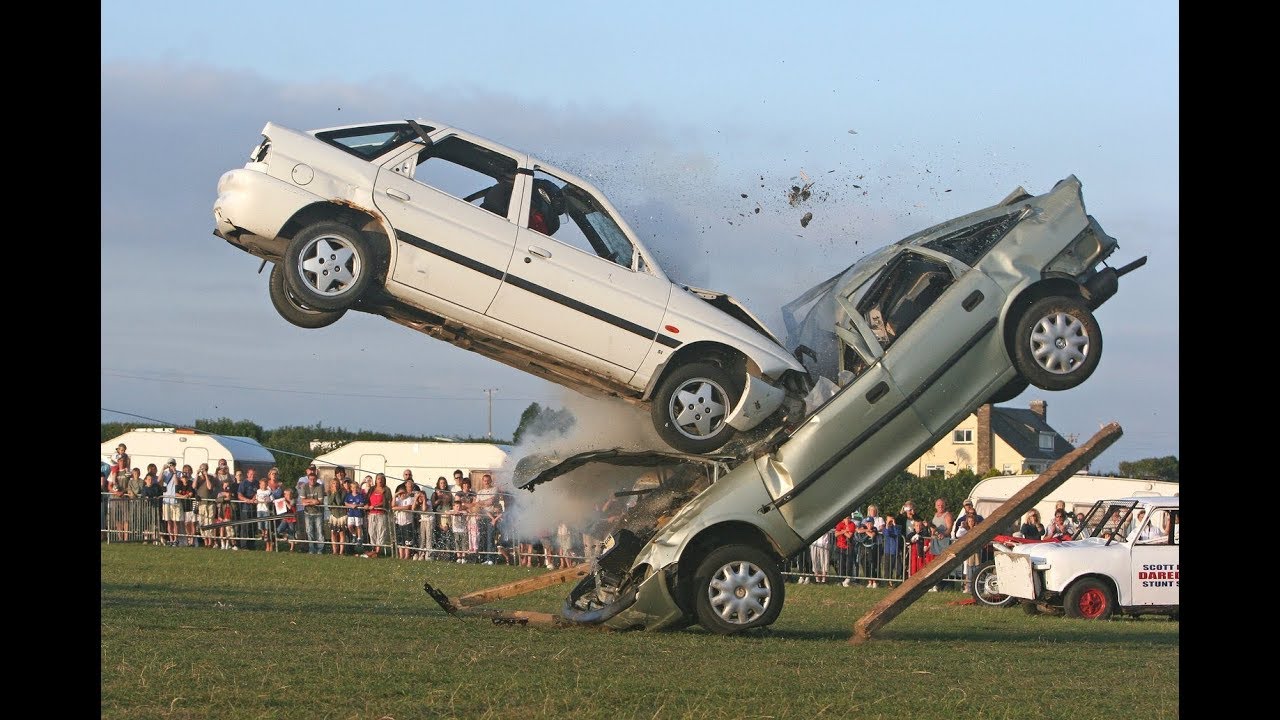
San Diego is known as a popular coastal city experiencing increasing population density, heavy customer traffic, and extensive highways. Today, congestion has become a profound challenge for local drivers entering regional freeways and urban streets daily. According to a transportation analysis, drivers in San Diego lost nearly 88 hours per year to traffic jams.
When the traffic volume is high, it typically increases the chances of legal disputes and collisions. As traffic risks expand, upgraded enforcement and regulatory policies significantly affect how car crash claims are investigated and resolved. It is crucial that you know about these rules.
Traffic laws are not static – they evolve in response to new technologies, road safety issues and changing social behaviour. From stricter drunk driving laws to the legalization of autonomous vehicles, those changes have an immediate and often complex impact on car collision cases Today, integrated fact-finding and artificial intelligence (AI) are better training criminal experts, insurers, and policymakers to understand how the evolution of their case outcomes happens
- Importance of legal acumen in situations under the new traffic guidelines
The altered traffic regulations affect how accountability is determined after a car crash on San Diego and California streets. Insurance companies and courts assess crashes based on whether drivers followed new safety rules. There are cases in which car accidents lawyers assess traffic citations, online evidence, and police reports to prove liability. All such developments indicate that the car crash relies on understanding current traffic legislation and on conventional oversight bodies.
- Impact of Warranty and Negligence
One of the most likely consequences of changing visitor law guidelines is in the calculation of liability. When legal guidelines come across as stricter, what counts as negligence often has less of an edge. For example, if the new law explicitly prohibits texting while in use, any accident involving driving using a smartphone can additionally easily result in liability .
Data analytics plays an important role here. By examining contingency reviews before and after specific regulatory changes, analysts can detect styles in error detection. AI systems can tech many lawsuits how courts interpret new legal guidelines, supporting lawyers predict case outcomes extra accurately.
For example, the machine’s knowledge of models can examine how often breaking a particular rule—such as running on college campuses—leads to full or partial liability.
- Role of AI in Evidence and Case Evaluation
Artificial intelligence is changing how evidence is collected and evaluated in hit-and-run incidents. Modern vehicles generate vast amounts of information through onboard sensors, GPS structures, and event statistics (EDR). Traffic cameras and surveillance cameras also contribute to the data pool.
AI can rewrite this data to reconstruct accidents with incredible accuracy. By examining speed, braking patterns, and environmental conditions, AI structures can determine whether a driver violated site visitor rules at the time of the accident This is especially valuable when new legal guidelines introduce detailed behavioral requirements that maintain safe remotely adapted traffic systems
Additionally, herbal language processing (NLP) algorithms can evaluate jail documents, police reviews, and witness statements to identify inconsistencies or key information. This speeds up the practice of the case and improves the first-class criminal justification.
- Safe environment and better device collaboration
A new set of rules in California targets distractions at the wheel, a major reason for car crashes across the country. Holding a phone while driving is now banned under revised guidelines that also limit how drivers can use smartwatches or take live video calls. Police departments are stepping up patrols and awareness efforts to prevent more people from being hurt by wandering attention. Getting caught breaking these laws might later be used to show careless behavior if someone sues. When deciding who’s responsible in injury cases on the road, judges often look closely at whether any traffic laws were broken.
- Safety guidelines for urban streets and pedestrians
Across California, city leaders are changing traffic rules to reduce crashes at pedestrian crossings. Since better sight lines help drivers spot walkers sooner, vehicles must now stay thirty paces back from crossings. This rule, often called daylighting, clears space so eyes can meet before paths do. When cars block views at corners, blame might shift toward the driver after an impact. Seeing clearly ahead gives everyone time to pause, adjust, or stop when needed. These updates shape how officials review who was responsible during street incidents.
Conclusion
Changes in California traffic law continue to affect how car accident cases are examined and resolved. Factors such as rigid distracted-driving rules, updated insurance limits, and pedestrian safety measures all affect the legal assessment of the issue at hand. All these regulations can enhance road security and ensure that crash survivors receive fair compensation for their financial security.
Changing site visitor laws have a significant impact on car collisions, affecting everything from legal liability decisions to successful frequency shifts and insurance claims Using fact-checking and AI can help stakeholders better understand these impacts, enhance decision-making, and enhance road safety. However, as those technologies emerge as additional inclusions in the crime panorama, careful attention must be paid to ethical concerns and the need for relentless adaptation.
Therefore, knowing the ever-changing legal criteria is necessary when dealing with insurance issues and accident claims. Data-based legal resources, such as portals like provide accurate guidance on liability rules, the compensation process, and accident laws. Once you read through it, you get a fair idea about the situation and check for crucial guidelines that can help you in your legal journey.