
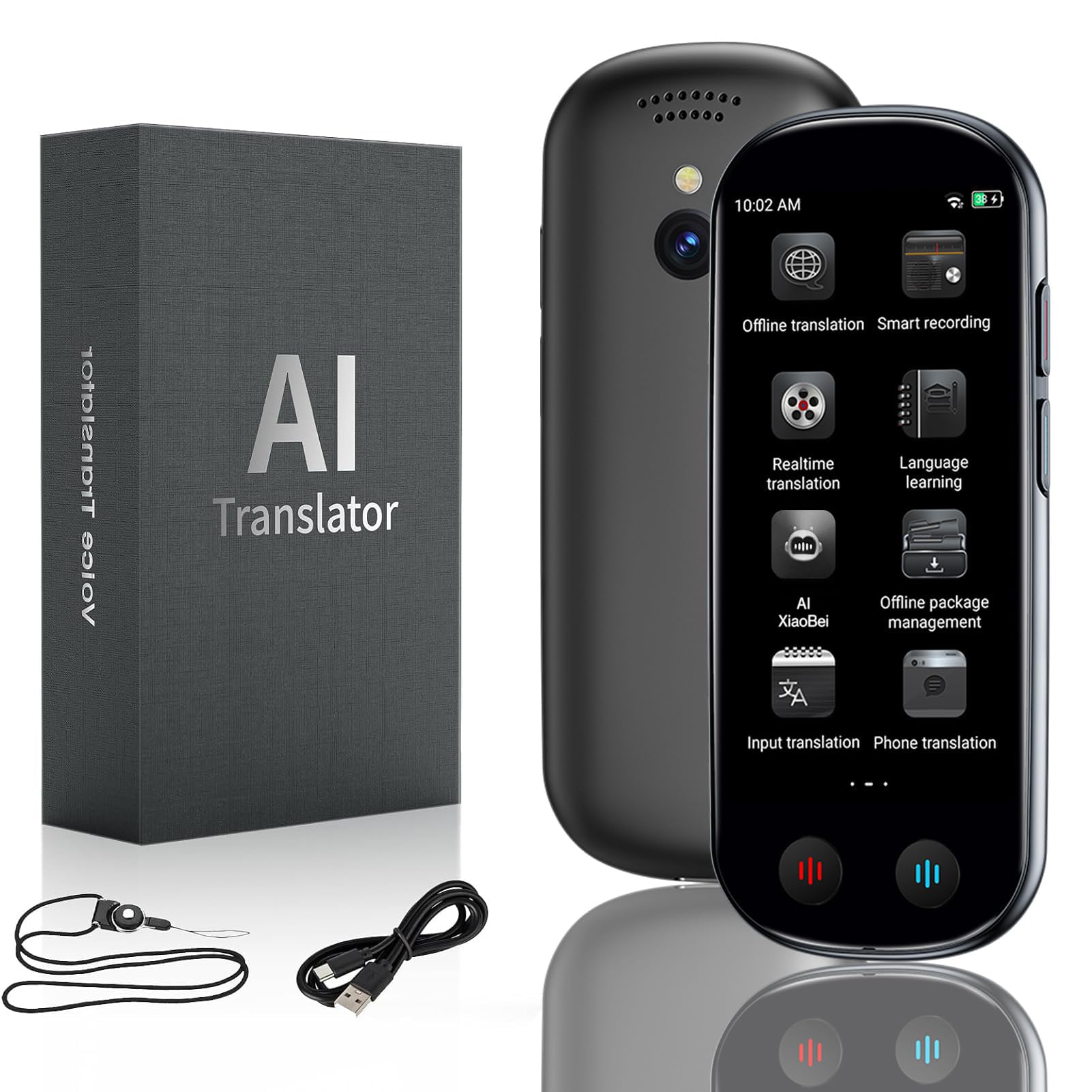
In today’s hyper-connected world, global business moves faster than ever. Companies negotiate across continents, collaborate across time zones, and market to audiences who speak dozens of different languages. As communication expands, so does the pressure to deliver accurate translations—quickly, affordably, and at scale. This is where AI-powered translation is stepping into the spotlight. What started as simple word-for-word conversion has evolved into an intelligent, context-aware system capable of understanding tone, industry-specific terminology, and cultural nuance. In short: AI translators are becoming smarter, and business mistakes caused by poor translation are becoming fewer.
In this blog, we’ll explore how AI translation is transforming international business communication, why modern tools are far more reliable than older systems, and what the future holds as technology continues to advance.
Why Traditional Translation Held Businesses Back
For decades, global companies relied primarily on human translators or outdated machine translation systems. Although human translators remain essential for high-stakes, legal, medical, or literary work, traditional approaches carry challenges:
1. Slow Turnaround
Professional translators often take hours or days to return results, which slows down global business processes—especially in fast-moving industries.
2. High Costs
For large documents, multiple languages, or continuous updates, translation costs can climb quickly.
3. Limited Scalability
Human translation can’t instantly scale with demand—especially for companies growing into dozens of markets.
4. Inconsistent Terminology
Different translators may use different terms unless they have extensive guidelines—a problem for industries like finance, engineering, or product development. Businesses needed something faster, consistent, and more cost-effective. AI-made that possible.
The Rise of Smarter AI Translators
Modern AI translators are powerful because they do more than substitute words—they interpret meaning. They use large language models (LLMs), neural networks, and contextual learning to analyze and produce accurate translations.
1. Context-Aware Translation
AI now recognizes:
- Formal vs. informal tone
- Business communication style
- Legal or technical terminology
- Cultural nuances
- Sentence structure and intent
This means translations don’t just read correctly—they read naturally.
2. Industry-Specific Intelligence
Advanced AI systems allow users to select a “context” such as:
- Investor pitch
- Legal contract
- Customer support
- Marketing copy
- Business plan
This dramatically improves accuracy because the AI selectively uses vocabulary suited to your purpose.
Fewer Mistakes, Better Global Communication
The biggest advantage of next-generation AI translators is the drastic reduction in translation errors. Mistakes in business communication can lead to:
- Signatures on wrong contract terms
- Misunderstood investor expectations
- Confusing product instructions
- Failed international marketing campaigns
- Brand reputation issues
Smarter AI translation helps prevent these by:
✔ Understanding the full sentence
No more awkward, literal translations.
✔ Preserving tone and intent
A “friendly” customer service reply should not sound like a formal legal document.
✔ Using accurate terminology
Financial, engineering, or legal vocabulary is automatically chosen based on context.
✔ Recognizing cultural nuance
Marketing messages must resonate—not offend.
✔ Supporting smooth collaboration
Teams across the world stay aligned with consistent translation output.
Real-World Business Applications
1. Global Marketing Teams
AI translation helps marketers adapt campaigns for international audiences while keeping brand voice consistent.
2. International Sales & Partnerships
Proposal documents, pitch decks, and sales emails can be translated instantly to increase deal velocity.
3. Customer Support Operations
Support centers can assist customers in dozens of languages without hiring multilingual staff.
4. Legal and Compliance Departments
Contracts, NDAs, and policy documents can be pre-translated, saving thousands of dollars in legal costs.
5. Product Localization
User manuals, safety instructions, and UX copy can be efficiently translated for global releases.
Future Trends: What’s Next for AI Translators?
Translation technology is accelerating, and several breakthroughs are on the horizon:
1. Emotionally Intelligent Translation
AI models are learning to detect emotional tone—excited, frustrated, urgent—and mirror it appropriately.
2. Autonomous Localization
Systems will soon be able to automatically localize:
- Images
- Prices
- Dates
- Idioms
- Brand messaging
- Visual layouts
…for each country.
3. Real-Time Voice Translation for Meetings
Instant, natural-sounding voice translation during live meetings will make multilingual teamwork seamless.
4. Enterprise Terminology Memory
Companies can train AI with internal vocabulary—product names, acronyms, technical language—to maintain consistency across departments.
5. AI Collaboration With Human Experts
The future isn’t AI replacing professional translators—it’s AI doing the heavy lifting, and humans refining high-value documents.
Why Smarter AI Translation Matters More Than Ever
Businesses are expanding faster than manual translation processes can keep up. The need for accurate, fast multilingual communication is no longer optional—it’s a competitive necessity.
Smarter AI translation means:
- Fewer misunderstandings
- More successful negotiations
- Stronger relationships
- Faster time-to-market
- Higher customer satisfaction
- Global brand consistency
In the future, companies that embrace advanced translation tools will operate more efficiently and communicate more clearly across borders.
Start using smarter, faster, and more accurate AI translation today.
Break language barriers, expand your global reach, and ensure every message represents your brand perfectly.
👉 Try the PathFinder Global Translator now and transform the way your business communicates worldwide.