
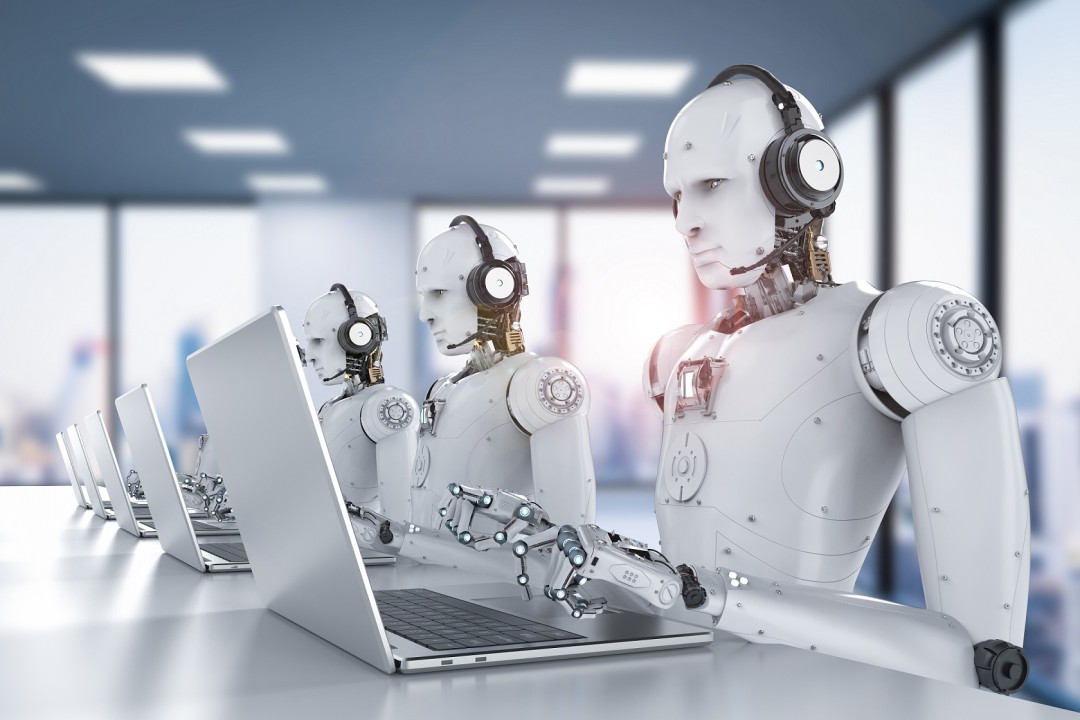
AI is revolutionizing industries by automating tasks, improving efficiency, and reshaping job roles. While AI-driven automation has led to concerns about job displacement, it is also creating new opportunities, making upskilling essential for professionals to remain competitive in the workforce.
The Rise of AI and Robotics
Artificial intelligence (AI), which encompasses technologies like machine learning, natural language processing, robotics, and computer vision, has transformed industries by enabling machines to learn, reason, and self-correct. Robots powered by AI are now handling tasks that once required human intervention, from customer service chatbots to robotic assembly lines in factories. This shift is not just changing workplaces but also redefining societal norms and economic structures.
AI’s Impact on Employment: A Double-Edged Sword
While AI is increasing productivity and creating new job opportunities, it is also automating roles that were traditionally filled by human workers. This transition has led to a shift in job requirements, making skills like strategic thinking and problem-solving more valuable than ever before.
The Shift in Job Roles
As AI takes over labor-intensive and repetitive tasks, human employees are focusing more on strategic, analytical, and creative problem-solving roles. Instead of replacing jobs entirely, AI is augmenting human capabilities, allowing professionals to focus on higher-value work.
How AI is Reshaping Business Operations
The integration of AI technologies like ChatGPT and AutoGPT into business operations has made automation more accessible than ever. These tools handle tasks such as data entry, scheduling, and customer interactions, boosting overall efficiency and freeing up human workers for more complex responsibilities.
Optimizing Business Processes
AI-driven virtual assistants help businesses streamline operations, efficiently manage customer inquiries, and allocate resources more effectively. This automation not only enhances productivity but also increases profitability.
Sustainability and Efficiency
AI helps optimize supply chains and reduce waste by analyzing data and making precise decisions about inventory and energy consumption. Businesses using AI for resource management can cut costs while promoting sustainability.
Enhanced Decision-Making
AI-powered tools provide valuable insights that aid businesses in setting prices, predicting market trends, and assessing risks. With real-time data analysis, AI helps companies make informed decisions that drive growth and innovation.
Industry-Specific AI Applications
AI is not limited to one sector; its impact spans across industries, each leveraging the technology in unique ways.
- Finance: AI enhances fraud detection, automates trading, and improves risk assessment. Robo-advisors personalize investment strategies, while AI chatbots assist customers with financial inquiries.
- Healthcare: AI aids in diagnosing diseases, personalizing treatment plans, and supporting robotic-assisted surgeries, reducing errors and improving patient outcomes.
- Automotive: AI powers self-driving technology, optimizes vehicle maintenance schedules, and improves traffic management systems.
- Cybersecurity: AI enhances threat detection, monitors anomalies, and strengthens defenses against cyberattacks, ensuring better data security.
- E-Commerce: AI-driven recommendation engines personalize shopping experiences, optimize supply chain logistics, and improve customer service.
- Hospitality & Tourism: AI streamlines booking processes, personalizes guest experiences, and optimizes pricing strategies based on demand.
- Job Recruitment: AI-powered platforms match candidates to job opportunities by analyzing resumes and assessing skill sets, making hiring processes more efficient.
Will AI Replace Jobs Completely?
AI is undoubtedly automating certain roles, particularly repetitive and manual tasks. However, it is also creating new opportunities that require human creativity, emotional intelligence, and strategic decision-making. The key to job security in an AI-driven world is continuous learning and adapting to new technologies.
Conclusion
AI is shaping the future of work by automating tasks, boosting efficiency, and changing job structures. While some positions may become obsolete, new roles will emerge, requiring professionals to embrace AI and develop new skills. By adapting to these advancements, businesses and individuals can thrive in an AI-powered world.