
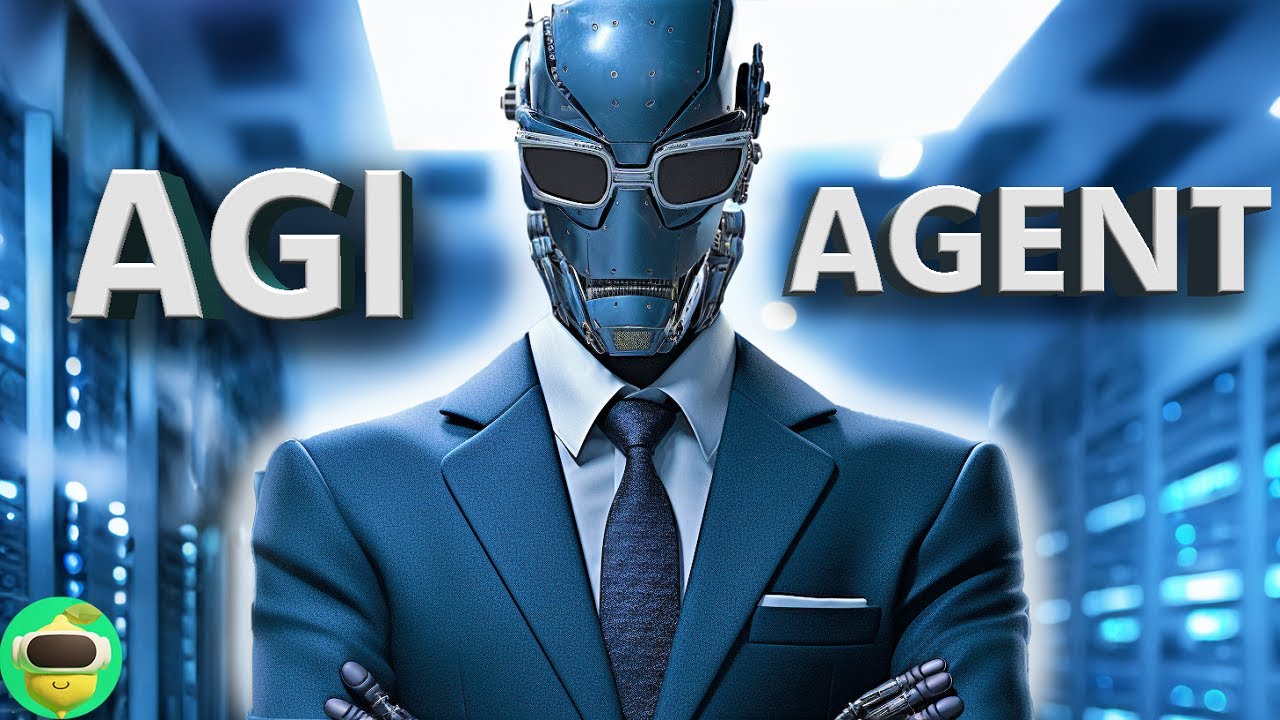
The integration of Artificial Intelligence (AI) with blockchain technology is creating transformative possibilities across various industries, providing novel ways to address the limitations inherent in both technologies. While blockchain is renowned for its decentralization, security, and immutability, AI has proven to be an exceptional tool for enhancing decision-making, automating processes, and generating intelligent solutions. The emergence of AI agents autonomous entities designed to perform tasks and learn from their environments is significantly influencing how blockchain systems evolve. In this blog, we will explore how AI agent development is shaping the blockchain landscape, offering new opportunities for growth, scalability, and security.
Understanding AI Agents and Blockchain
Before diving into how AI agents are impacting blockchain, it’s important to understand the basics of both technologies.
AI Agents: AI Agent Development are intelligent software programs designed to autonomously perform specific tasks by perceiving their environment and acting on that information to achieve goals. These agents can learn, adapt, and make decisions based on input data. AI agents can use machine learning (ML), deep learning (DL), and natural language processing (NLP) to enhance their capabilities. Examples of AI agents include chatbots, recommendation systems, and autonomous vehicles.
Blockchain: Blockchain is a decentralized and distributed ledger technology that ensures the transparency, immutability, and security of data transactions across a network of computers (nodes). It operates on consensus mechanisms such as Proof of Work (PoW) or Proof of Stake (PoS) to validate and secure transactions, eliminating the need for a central authority. Blockchain has found applications in cryptocurrencies, supply chain management, healthcare, and more.
The Synergy Between AI and Blockchain
The combination of AI agents with blockchain technology is creating a powerful synergy that leverages the strengths of both fields. AI’s ability to process and analyze vast amounts of data, combined with blockchain’s immutable and decentralized nature, is resulting in smarter, more efficient systems that can operate autonomously and securely. Let’s take a closer look at how AI agent development is changing the blockchain landscape.
1. Enhancing Security and Fraud Prevention
Security has always been a significant concern for blockchain networks, despite their inherent cryptographic features. However, AI agents are now enabling smarter and more proactive security measures. Traditional security systems often rely on reactive techniques, such as patching vulnerabilities after they are discovered. In contrast, AI agents can be used to predict, detect, and prevent security breaches in real-time.
Fraud detection: AI agents can be trained to recognize patterns of normal behavior in blockchain transactions. By analyzing these patterns, AI can quickly identify anomalies or suspicious activities that could signal fraud, such as double-spending or Sybil attacks. These agents can automatically flag suspicious transactions, enabling faster responses to potential threats.
Automated threat mitigation: Once a potential security issue is detected, AI agents can autonomously take steps to mitigate the risk. For instance, they could isolate compromised nodes, block malicious transactions, or alert human administrators to intervene. This ability to act autonomously makes AI agents a valuable tool in enhancing blockchain security.
2. Optimizing Blockchain Consensus Mechanisms
One of the fundamental challenges of blockchain technology is the consensus mechanism used to validate transactions. Consensus mechanisms like Proof of Work (PoW) and Proof of Stake (PoS) can be resource-intensive, slow, and prone to scalability issues. AI agents offer the potential to optimize these consensus mechanisms by making them more efficient and adaptive.
Dynamic consensus optimization: AI agents can help determine the most efficient consensus mechanism for a given situation. By analyzing network conditions, transaction volume, and available resources, AI agents can adjust the validation process in real-time to ensure faster and more energy-efficient transactions. This can lead to lower energy consumption, faster transaction processing times, and improved scalability.
Enhanced scalability: AI agents can also facilitate the scaling of blockchain networks by dynamically adjusting the number of validators or miners involved in the consensus process. For example, during periods of high transaction volume, AI agents can allocate additional resources to handle the increased load, ensuring the blockchain remains efficient and scalable without compromising security.
3. Improving Smart Contract Execution
Smart contracts are self-executing agreements that are automatically triggered when predefined conditions are met. They have been widely adopted in blockchain platforms like Ethereum to facilitate automated transactions without the need for intermediaries. However, smart contracts can be vulnerable to bugs, security flaws, and inefficiencies.
AI agents can play a crucial role in improving the security and performance of smart contracts:
Smart contract auditing: AI agents can assist developers in auditing smart contract code for potential vulnerabilities. By applying machine learning techniques, AI agents can identify security weaknesses and suggest improvements, ensuring that smart contracts are safe from exploits before they are deployed on the blockchain.
Automating smart contract execution: AI agents can enhance the execution of smart contracts by introducing intelligent decision-making capabilities. For instance, AI can be used to evaluate real-time data and adjust the conditions under which a contract is executed. This can make smart contracts more dynamic and adaptive to changing circumstances, improving their overall functionality.
4. Enhancing Decentralized Finance (DeFi) Platforms
Decentralized finance (DeFi) platforms, which allow users to trade, borrow, and lend assets without intermediaries, are one of the most prominent applications of blockchain technology. However, DeFi platforms face challenges related to fraud, liquidity, and governance.
AI agents can help improve DeFi platforms in several ways:
Fraud detection and prevention: As mentioned earlier, AI agents can detect fraudulent activities, such as rug pulls, flash loan attacks, and liquidity manipulation. By monitoring DeFi transactions in real-time, AI agents can flag suspicious activities and automatically trigger safety mechanisms to protect users.
Liquidity management: AI agents can optimize liquidity pools in decentralized exchanges (DEXs) by analyzing market conditions and adjusting liquidity allocations to ensure optimal returns for liquidity providers. By using predictive analytics, AI can forecast market trends and adjust liquidity accordingly, improving the efficiency of DeFi platforms.
Automated governance: AI agents can also be used in decentralized governance systems, where token holders vote on protocol upgrades or decisions. AI can analyze historical voting patterns, predict outcomes, and provide recommendations to token holders on how to vote. This can streamline governance processes and ensure more informed decision-making.
5. Creating Autonomous Blockchain Networks
AI agents have the potential to create fully autonomous blockchain networks, where the system can function independently without the need for human intervention. This could drastically reduce the need for centralized control and human oversight, making blockchain networks more self-sustaining and efficient.
Self-governing blockchains: By using AI agents to monitor and maintain blockchain operations, networks could become more self-governing. AI agents could manage network parameters, optimize consensus mechanisms, resolve disputes, and make decisions regarding upgrades or changes to the protocol.
Autonomous token management: AI agents could be responsible for managing token issuance, distribution, and burn mechanisms within blockchain ecosystems. By analyzing network activity and user behavior, AI could optimize tokenomics in real-time, ensuring that the system remains balanced and incentives are aligned with network growth.
6. Enhancing Blockchain Interoperability
Interoperability—the ability for different blockchain networks to communicate and share data seamlessly—is another critical area where AI agents are making an impact. AI can enable smart, cross-chain interactions by learning the rules and protocols of different blockchain ecosystems.
Cross-chain transactions: AI agents can facilitate the movement of assets between different blockchains, allowing users to transfer tokens, data, and smart contract functions across platforms. By automatically understanding the requirements of each blockchain, AI can ensure that transactions are completed securely and efficiently.
Data sharing and collaboration: AI agents can help break down silos between different blockchain networks by facilitating secure and intelligent data sharing. By analyzing data from multiple sources and ensuring compatibility between networks, AI agents can create more collaborative blockchain ecosystems.
Conclusion
AI agent development is playing a pivotal role in reshaping the blockchain landscape by enhancing security, optimizing consensus mechanisms, improving smart contract execution, and facilitating the growth of decentralized finance and autonomous blockchain networks. The integration of AI with blockchain opens up a new world of possibilities, allowing blockchain systems to become more efficient, scalable, and intelligent.
As AI continues to advance, its role in blockchain technology will only increase, driving innovation and creating new solutions for a wide range of industries. The future of blockchain, with AI agents at its core, promises to be more secure, autonomous, and interconnected than ever before. The continued collaboration between these two groundbreaking technologies will likely define the next generation of decentralized systems.