
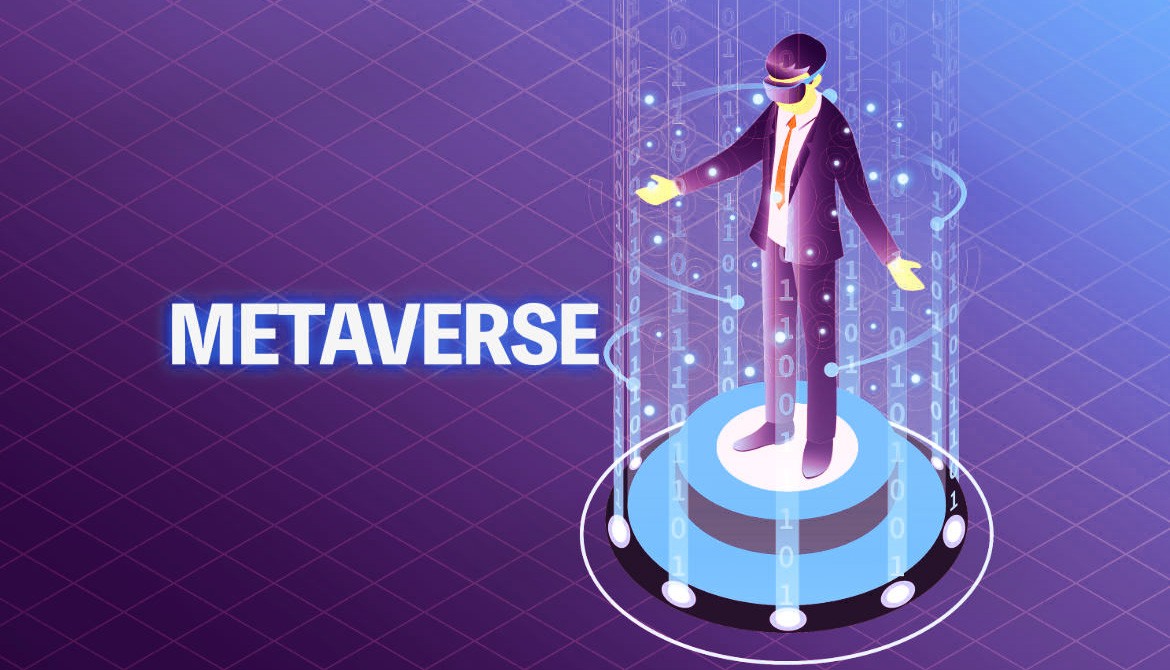
The metaverse—a realm that seems to merge physical and digital realities—is one of the transformative technological developments of our time. It promises to transform industries ranging from leisure education to commercial health care. At the heart of these developments is artificial intelligence (AI), which is the driving force behind the creation of immersive, flexible, and interactive virtual environments. Harnessing the power of AI with the help of leading AI development Consultants to analyze data, predict behavior, and improve user experience, Metaverse is a dynamic platform that redefines how humans interact in the digital world
Understanding the Metaverse and AI’s Integration
Metaverse relies on technologies such as virtual reality (VR), augmented reality (AR), blockchain, and edge computing. However, the real engine behind its fluid capabilities is AI. By injecting intelligence into the Metaverse, With the help of AI development services you can get the ability to create digital environments, provide human-like avatars, ensure seamless interactions, and create virtual spaces for personalized consumption to meet the needs of the project
AI’s ability to analyze data, predict behavior, and generate dynamic responses in real-time transforms the metaverse from static digital spaces to dynamic immersive experiences, natural language processing (NLP) for those users can interact seamlessly with AI-powered entities in the metaverse, while computer vision incarnations interpret human behavior and can simulate it
AI’s Transformative Applications in the Metaverse
- Realistic Avatars and Digital Identities
AI-driven hyper-realistic avatars are designed to reflect users’ physical characteristics, actions, and emotions. Generative Adversarial Networks (GANs) enable avatars to mimic facial expressions and body language, creating a more engaging and realistic presence in virtual environments - Personalized User Experiences
Machine learning algorithms analyze user preferences, attitudes, and behaviors to create customized experiences. This personalization ensures that the Metaverse community is right for individual users, offering everything from targeted advertising to customized educational content. - Immersive Virtual Spaces
AI automates complex and visually stunning generations. Generative AI tools like DALL·E and MidJourney enable creators to design whole worlds from textual descriptions, accelerating development and expanding creative possibilities. - AI in Virtual Collaboration
AI-powered virtual assistants and bots make working easier in the Metaverse. These tools can also schedule meetings, record conversations, or map out brainstorming sessions by suggesting new ideas based on existing data. - Healthcare and Well-being
AI-powered Metaverse applications in healthcare include virtual training for surgeons and remote patient counseling using true simulations. AI also monitors users’ psychological well-being, analyzing behaviors and interactions to assist when needed. - Content Creation and Moderation
The Metaverse thrives on consumer-generated content. AI no longer effectively facilitates the efficient development of this content but also moderates it, making sure it is in compliance with community guidelines and stopping harmful or irrelevant content from spreading. - Metaverse Commerce and NFTs
AI performs a full-size role in Metaverse trade with the aid of permitting smart contracts and virtual asset introduction. Algorithms examine marketplace traits to signify funding possibilities, whilst blockchain technology guarantees stable transactions. - Gaming and Entertainment
AI redefines gaming reviews by using growing adaptive storylines and smart non-player characters (NPCs). Players encounter precise demanding situations primarily based on their skill levels, making sure of engaging and inclusive gameplay.
Challenges and Ethical Implications
While AI’s role in shaping the Metaverse is revolutionary, it is accompanied by numerous challenges that require immediate attention to ensure sustainable and ethical development. These AI challenges span across technical, ethical, and societal domains, reflecting the complex nature of blending human lives with intelligent, virtual ecosystems.
1. Data Privacy and Security
AI in the Metaverse is predicated on massive information collection to customize user reports, and growing privacy and data security issues. Effective data profiling tools can help ensure that the collected information is accurate, consistent, and secure, addressing these concerns:
- Sensitive User Data: From personal identity and monetary transactions to behavioral patterns, AI collects enormous quantities of touchy statistics. This increases the hazard of misuse, information breaches, and surveillance.
- Consent Issues: Users might not completely understand or consent to the volume of facts collection, particularly whilst interacting with AI-driven avatars or environments.
- Weak Regulations: Existing privacy legal guidelines may not thoroughly deal with the challenges posed by way of AI inside the Metaverse, leaving customers vulnerable to exploitation.
2. Bias and Inequality
AI for businesses frequently inherit biases gift within the records they may be trained on, which can perpetuate inequality within the Metaverse:
- Digital Discrimination: Biased algorithms could result in discriminatory practices, along with prioritizing certain person companies in digital reviews or excluding minorities from essential possibilities.
- Algorithmic Transparency: Lack of visibility into how AI makes choices within the Metaverse increases the risk of unfair consequences.
- Accessibility Issues: Not everybody has identical access to the excessive-stop technology required to take part in the Metaverse, creating a digital divide.
3. Deepfakes and Identity Theft
AI’s talents in generating hyper-realistic digital content, consisting of deepfakes, pose critical risks:
- Identity Manipulation: AI can mirror people’s appearances and voices, leading to capability misuse in scams, impersonation, or defamation.
- Trust Erosion: The proliferation of deepfakes within the Metaverse may additionally undermine belief in digital interactions and media authenticity.
4. Cybersecurity Risks
The integration of AI into the Metaverse introduces new cybersecurity vulnerabilities:
- AI-Powered Attacks: Malicious actors may want to use AI to exploit weaknesses inside the Metaverse, inclusive of developing misleading bots or launching superior phishing schemes.
- Infrastructure Vulnerabilities: The interconnected nature of the Metaverse, with several servers and devices, increases the attack surface for hackers.
5. Ethical Dilemmas and Autonomy
The function of AI in shaping selections and actions in the Metaverse raises moral questions:
- Loss of Autonomy: Over-reliance on AI to make decisions in virtual environments may also restrict users’ control over their own experiences.
- Moral Boundaries: Virtual environments blur the lines between ethical and unethical behavior, elevating issues approximately applicable behavior and accountability.
- Content Moderation: AI is tasked with moderating digital content material to save you damage, however distinguishing between free speech and dangerous conduct may be difficult.
6. Environmental Impact
AI technology requires huge computational sources, contributing to the Metaverse’s environmental footprint:
- Energy Consumption: Training AI fashions and running Metaverse systems call for extensive power, which can also grow carbon emissions.
- Electronic Waste: The hardware helping the Metaverse, from VR headsets to GPUs, adds to worldwide electronic waste.
7. Mental Health Implications
Prolonged use of immersive virtual environments, pushed by way of AI, may additionally negatively affect users’ mental fitness:
- Addiction Risks: The hyper-personalization provided using AI may make the Metaverse tremendously addictive, leading to social isolation or neglect of real-global obligations.
- Identity Issues: Users may additionally struggle to distinguish between their real and digital selves, mainly due to identity conflicts or dissatisfaction with facts.
8. Lack of Legal Frameworks
The Metaverse presently operates in a legal gray vicinity, making it challenging to address disputes and enforce policies:
- Jurisdictional Conflicts: The worldwide nature of the Metaverse complicates legal oversight and enforcement, as special countries have varying laws governing AI and digital interactions.
- Accountability Gaps: Determining responsibility for AI-driven selections, along with financial losses or dangerous interactions, stays unresolved.
9. Economic Disruption
AI’s integration into the Metaverse may additionally disrupt traditional industries and task markets:
- Automation of Roles: AI may replace human roles in virtual economies, including customer service avatars or digital event coordinators.
- Inequitable Wealth Distribution: The Metaverse economy, pushed with the aid of AI, may favor huge agencies and tech-savvy people, furthering financial disparity.
Conclusion
The Metaverse indicates more than just technological innovation; it embodies a new manner of interacting, collaborating, and creating in the digital realm. AI is the spine of this transformation, allowing clever, immersive, and personalized studies. As the Metaverse continues to adapt, AI will play an increasingly vital position in shaping its destiny, from enabling realistic avatars to fostering virtual economies. However, this shift requires a collective attempt to deal with demanding situations around privateness, ethics, and accessibility, ensuring the Metaverse stays inclusive and responsible. Together, AI and the Metaverse preserve the capability to redefine human experiences in unprecedented methods. Partner with RapidOps to turn these transformative ideas into innovative solutions that drive your business forward. Let’s build the future together—contact us today!