
Introduction
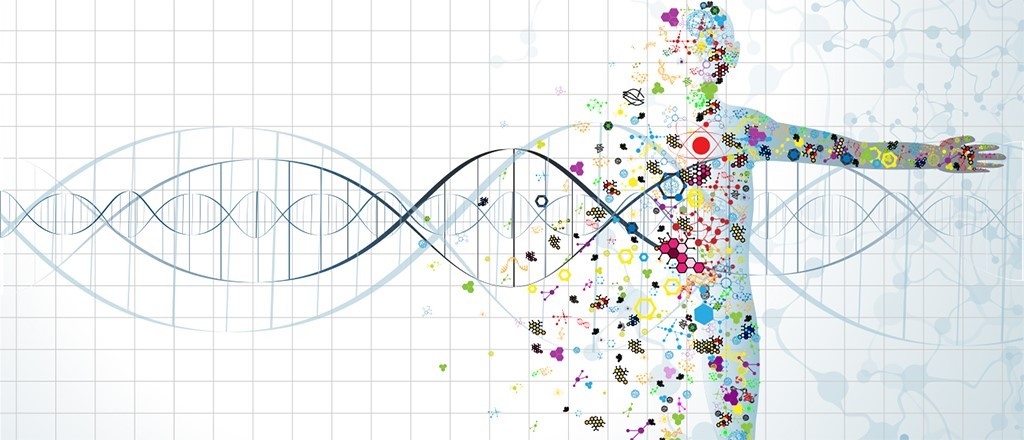
Personalized medicine, also known as precision medicine, is an innovative approach to tailoring medical treatment to the individual characteristics of each patient. This approach relies heavily on data science, which involves the use of scientific methods, processes, algorithms, and systems to extract knowledge and insights from structured and unstructured data. In the context of personalized medicine, data science enables the analysis of vast amounts of biological, clinical, and lifestyle data to provide more accurate diagnoses, predict disease progression, and tailor treatments to individual patients.

The Evolution of Personalized Medicine
The concept of personalized medicine is not new; it has been evolving for decades. Traditional medicine often takes a one-size-fits-all approach, which can lead to variable effectiveness and adverse effects due to individual differences. Personalized medicine aims to overcome these limitations by considering individual variability in genes, environment, and lifestyle.
Historical Perspective
Personalized medicine has its roots in the Human Genome Project, which was completed in 2003. The project provided a comprehensive map of human genes, enabling researchers to understand the genetic basis of many diseases. This knowledge has paved the way for the development of targeted therapies and the identification of genetic markers for disease susceptibility.
Modern Advances
Advances in high-throughput sequencing technologies, bioinformatics, and data analytics have accelerated the progress of personalized medicine. Techniques such as whole-genome sequencing, transcriptomics, proteomics, and metabolomics generate large volumes of data that can be analyzed to understand disease mechanisms at a molecular level. This multi-omics approach provides a holistic view of the biological processes involved in health and disease.

The Role of Data Science in Personalized Medicine
Data science plays a crucial role in every stage of personalized medicine, from data collection and analysis to the implementation of tailored treatments. Key areas where data science contributes include genomics, predictive modeling, and clinical decision support.
Genomics and Bioinformatics
Genomics is the study of the entire genome of an organism. Data science techniques are used to analyze genomic data to identify genetic variations associated with diseases. Bioinformatics tools and algorithms are essential for processing and interpreting the vast amounts of data generated by genomic studies.
- Variant Calling: Identifying genetic variants (e.g., single nucleotide polymorphisms, insertions, deletions) from sequencing data.
- Functional Annotation: Determining the potential impact of genetic variants on gene function and disease.
- Pathway Analysis: Understanding how genetic variants affect biological pathways and contribute to disease mechanisms.
Predictive Modeling
Predictive modeling involves using data science techniques to develop models that can predict disease risk, progression, and response to treatment. These models are built using data from various sources, including ambulatory ehr, clinical trials, and biobanks.
- Risk Prediction: Identifying individuals at high risk for developing certain diseases based on their genetic, clinical, and lifestyle data.
- Treatment Response: Predicting how patients will respond to specific treatments based on their genetic profile and other factors.
- Survival Analysis: Estimating patient survival probabilities and identifying factors associated with improved outcomes.
Clinical Decision Support
Clinical decision support systems (CDSS) leverage data science to provide healthcare professionals with evidence-based recommendations for patient care. These systems integrate data from various sources to assist in diagnosis, treatment planning, and monitoring.
- Diagnostic Support: Assisting clinicians in diagnosing diseases by analyzing patient data and suggesting possible conditions.
- Treatment Optimization: Recommending personalized treatment plans based on patient-specific data and clinical guidelines.
- Monitoring and Management: Continuously monitoring patient health data to detect changes and adjust treatment plans as needed.
Case Studies in Personalized Medicine
Several real-world examples demonstrate the impact of data science on personalized medicine. These case studies highlight the potential of data-driven approaches to improve patient outcomes and advance medical research.
Oncology
Cancer treatment has been at the forefront of personalized medicine. The analysis of tumor genomics has led to the development of targeted therapies that are more effective and have fewer side effects than traditional chemotherapy.
- Breast Cancer: The identification of HER2 gene amplification in certain breast cancers has led to the development of HER2-targeted therapies such as trastuzumab (Herceptin).
- Lung Cancer: Genetic profiling of non-small cell lung cancer (NSCLC) patients can identify mutations in genes such as EGFR and ALK, which can be targeted with specific inhibitors.
Cardiovascular Disease
Data science has enabled the identification of genetic variants associated with cardiovascular diseases, leading to better risk prediction and prevention strategies.
- Familial Hypercholesterolemia: Genetic testing can identify individuals with familial hypercholesterolemia, a condition that significantly increases the risk of coronary artery disease. Early identification allows for proactive management and lifestyle interventions.
- Pharmacogenomics: The study of how genes affect a person’s response to drugs. For example, genetic testing for variations in the CYP2C19 gene can guide the use of antiplatelet therapy in patients with coronary artery disease.
Rare Diseases
Data science has been instrumental in diagnosing and developing treatments for rare diseases, which often have a genetic basis.
- Spinal Muscular Atrophy (SMA): Advances in genomics have led to the development of gene therapy for SMA, a rare genetic disorder that affects motor neurons.
- Cystic Fibrosis: Genetic testing for CFTR mutations allows for the early diagnosis and personalized treatment of cystic fibrosis, improving patient outcomes.
Challenges and Ethical Considerations
While the potential of personalized medicine is immense, several challenges and ethical considerations must be addressed.
Data Privacy and Security
The collection and analysis of genetic and health data raise significant privacy and security concerns. Ensuring the confidentiality and integrity of patient data is paramount.
- Data Encryption: Implementing strong encryption methods to protect sensitive data.
- Access Control: Restricting access to data to authorized personnel only.
- De-identification: Removing personally identifiable information from data sets to protect patient privacy.
Ethical Issues
Personalized medicine raises several ethical issues related to consent, equity, and the potential for genetic discrimination.
- Informed Consent: Ensuring that patients fully understand the implications of genetic testing and data sharing.
- Equity: Addressing disparities in access to personalized medicine and ensuring that all patients benefit from advancements in this field.
- Genetic Discrimination: Protecting individuals from discrimination based on their genetic information, particularly in employment and insurance.
Future Directions
The future of personalized medicine is promising, with ongoing advancements in data science, genomics, and technology. Key areas of focus include:
- Integrative Multi-Omics: Combining data from genomics, proteomics, metabolomics, and other omics technologies to gain a comprehensive understanding of disease mechanisms.
- Artificial Intelligence (AI) and Machine Learning: Developing more sophisticated AI algorithms to analyze complex data sets and provide actionable insights.
- Telemedicine and Remote Monitoring: Leveraging digital health technologies like care management software to collect real-time data and provide personalized care to patients regardless of their location.
Conclusion
Data science is revolutionizing personalized medicine by enabling the analysis of vast amounts of data to provide tailored treatments to individuals. From genomics to predictive modeling and clinical decision support, data science is at the heart of efforts to improve patient outcomes and advance medical research. While challenges related to data privacy, security, and ethics remain, the potential benefits of personalized medicine are immense. As technology continues to evolve, the integration of data science into healthcare will undoubtedly lead to more precise, effective, and personalized treatments for patients worldwide.