
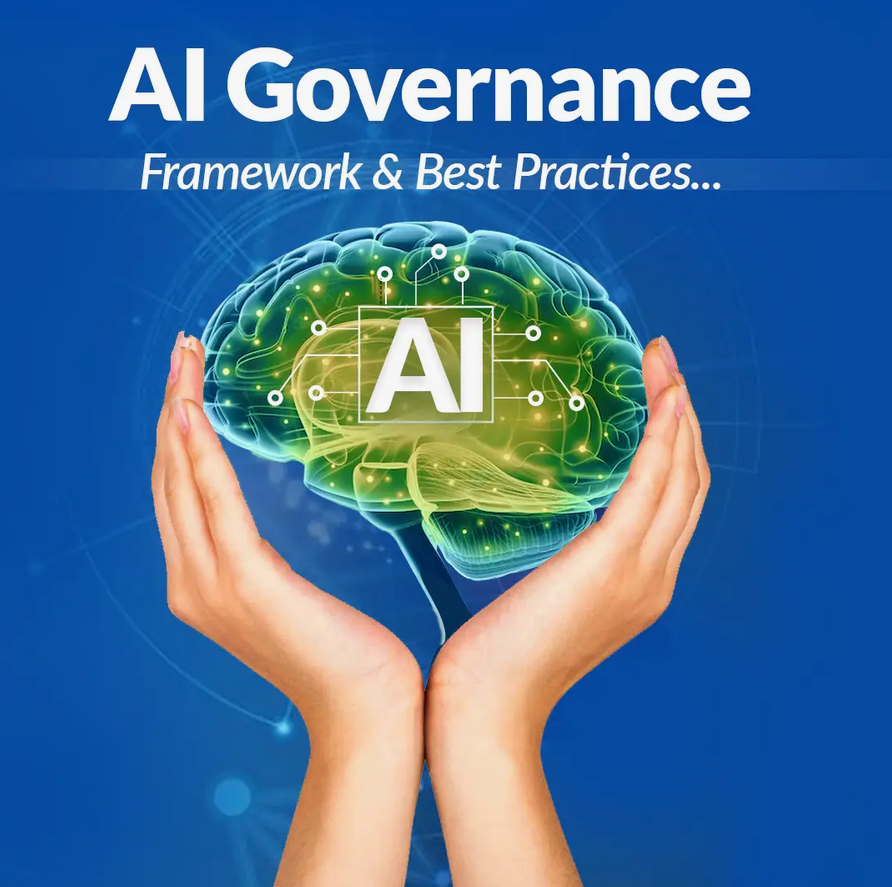
AI Governance Is Becoming a Business Priority in the Middle East
How UAE and Saudi regulators are reshaping enterprise AI — and why CTOs are now building explainability, oversight, and audit trails into the pipeline itself.
How UAE and Saudi regulators are reshaping enterprise AI — and why CTOs are now building explainability, oversight, and audit trails into the pipeline itself.

Compliance is not just a tax on innovation, it is your foundation. Discover why your current audit trail is likely a disaster and how to build a governance framework that survives real-world scrutiny.
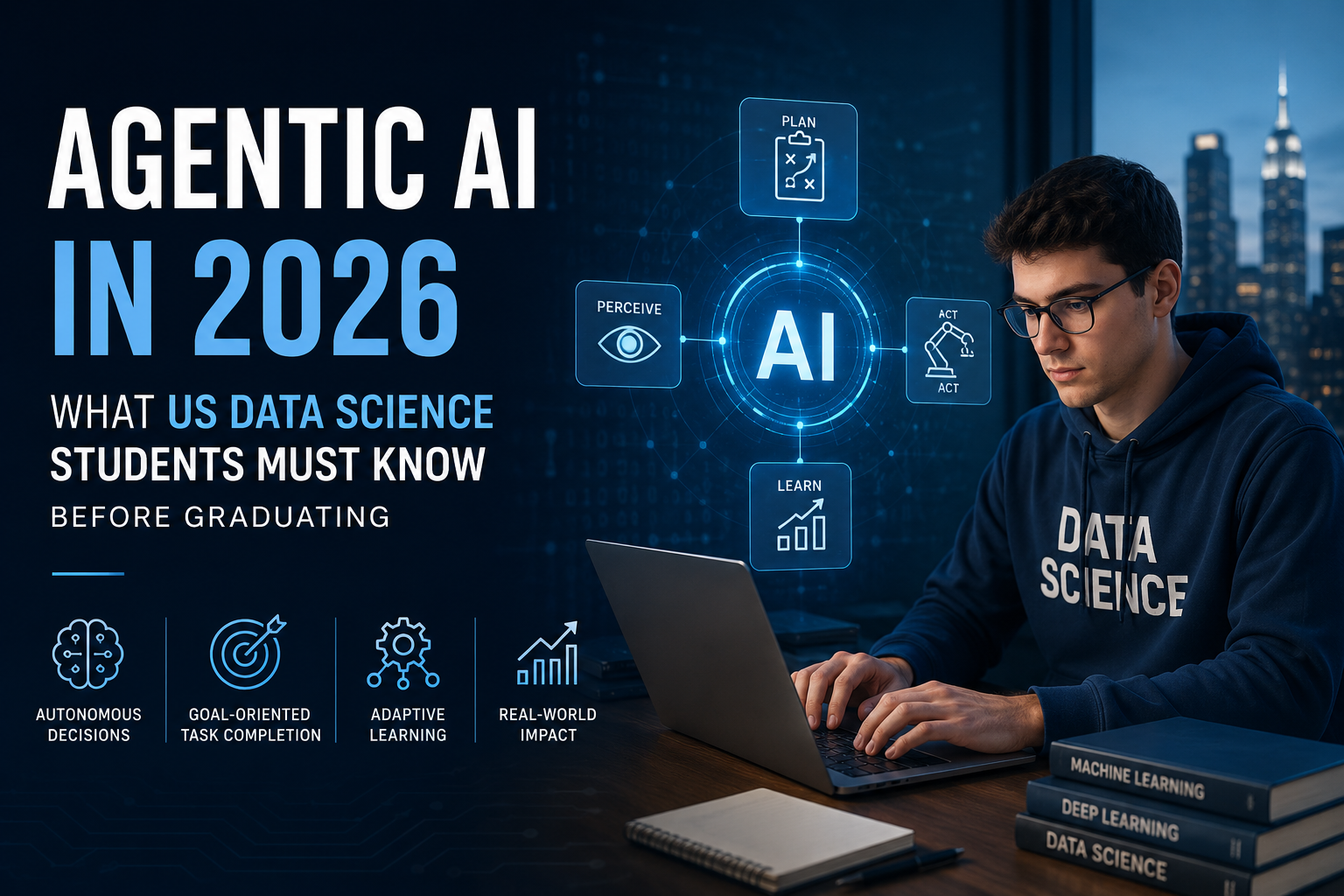
Agentic AI is reshaping machine learning in 2026 by moving AI systems from passive prediction toward autonomous action, workflow orchestration, and tool use. For US data science students, this change is no longer optional: the field is evolving into one where graduates must understand not only models and metrics, but also agent design, memory, planning, orchestration, and governance. This article explains why agentic AI matters for students in the United States, how it connects to the strong long-term outlook for data science careers, and which technical skills are becoming essential before graduation. It also highlights the importance of responsible AI practices, including NIST-aligned risk management, because autonomous systems introduce new concerns around trust, safety, and accountability. For students aiming to stay competitive in the data science job market, agentic AI now represents both a new technical specialty and a core career advantage.

Droven.io AI news shows that rapid advances in AI such as generative systems, AI agents and new regulations are driving strong demand for certified professionals. As the skills gap widens, AI certifications have become essential for validating expertise, improving job prospects, and staying competitive in a fast-evolving industry.

This paper presents a practical framework for governing artificial intelligence in enterprise environments. As AI becomes central to operations, organizations must ensure systems remain reliable, compliant, and aligned with business goals. The proposed governance model is built on five pillars: data quality, defined business rules, regulatory compliance, human oversight, and continuous monitoring. Together, these controls reduce operational and legal risks while supporting responsible innovation. By combining structured policies with skilled professionals and ongoing review processes, enterprises can scale AI confidently and sustainably.