
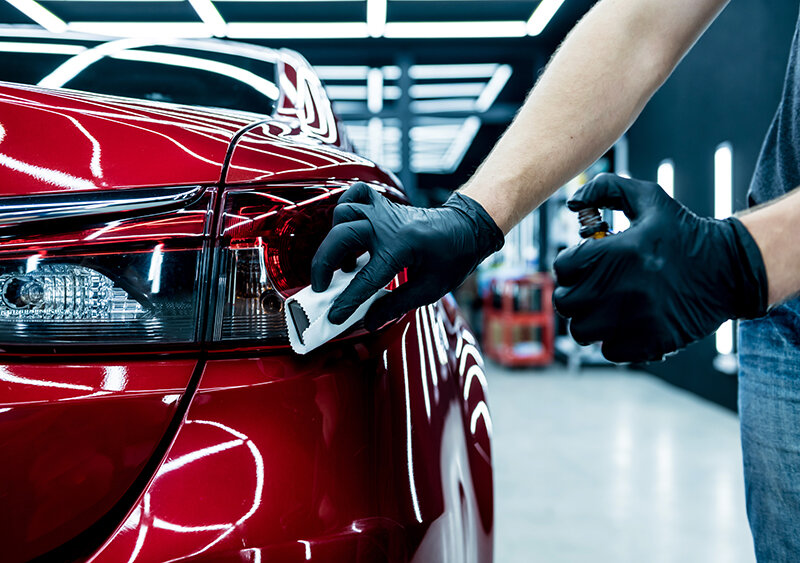
Car detailing used to be simple. A customer dropped off a car, a technician cleaned it by hand, and the shop hoped the result looked good. That still sits at the core of the work. But AI is now changing how shops run around that core. It helps with booking, pricing, inspection, and customer follow up. Some tools scan a paint surface and flag scratches that the eye can miss. Others predict how long a job will take, so schedules stay on track. None of this removes the need for skilled people. Paint correction, ceramic coating, and interior care still need trained hands. What AI does is take away guesswork and repeat tasks.
How Detailing Works Today
Professional detailing goes far beyond a quick wash. A full job can include a deep interior clean, clay bar treatment, machine polishing, paint correction, and a protective coating. Each step takes time and skill.
Most shops still run on phone calls, text messages, and a paper checklist. The owner estimates the price by looking at the car. The technician decides how long the work will take. Then the schedule slips because the estimate was off.
These are the weak points where AI helps most. It does not clean the car. It helps the shop plan, check, and communicate better.
AI Inspection Tools That Spot Paint Damage
Inspection is one of the most useful areas. Computer vision tools can look at photos or video of a vehicle and mark swirl marks, scratches, dents, and faded clear coat.
Here is why that matters:
- The shop records the car’s condition before any work starts
- The customer sees the same marks the technician sees
- Disputes about old damage become rare
- The quote can match the real work needed
Some systems use a camera rig or a scanning arch that takes dozens of images in seconds. The software then builds a map of the car’s surface.
These tools are not perfect. Poor lighting or a dirty car can confuse them. So a trained person still needs to confirm what the system finds. But as a first pass, it saves time and builds trust.
Smarter Booking and Scheduling
Missed appointments and bad time estimates cost shops real money. AI scheduling tools use past job data to predict how long each service will take. A ceramic coating on a large SUV takes longer than a standard interior clean on a compact car. The system learns that over time.
Good scheduling tools can also:
- Suggest the best open slot for each job
- Send reminders so fewer customers miss appointments
- Fill gaps from cancellations by contacting a waitlist
- Balance work across technicians
The result is fewer idle hours and fewer rushed jobs. Customers get a clear time window instead of “sometime this afternoon.”
Dynamic Pricing and Honest Quotes
Pricing a detail is hard. Two cars of the same model can need very different work. One has pet hair and stains. The other has light dust.
AI can help by reading photos and a short customer form. It then suggests a price range based on size, condition, and service type. Over time it learns from past jobs, so quotes get closer to the true cost.
Some shops also use demand based pricing. Busy weekends cost more, and slow weekdays cost less. That can fill empty hours. But be careful. If pricing changes feel random, customers lose trust. Keep the rules simple and easy to explain.
Chatbots and Customer Messages
Many customers message shops after hours. They want to know prices, availability, and what a package includes. A chatbot can answer these basic questions at any time and collect booking details.
Used well, it works like a front desk assistant. It answers common questions, books slots, and passes harder questions to a person.
A few rules help:
- Tell customers they are talking to a bot
- Give a clear way to reach a human
- Keep answers short and accurate
- Review chat logs to find common questions
Do not let a bot promise results it can’t deliver. If a customer asks whether a scratch will come out, a person should answer.
Predicting Demand and Seasonal Trends
Detailing demand is not flat. It moves with weather, holidays, tourist seasons, and even news events. AI models can study past bookings and spot patterns that a busy owner may miss.
For example, a shop might learn that bookings jump after heavy rain, or before big holiday weekends. It can then plan staff hours and supply orders ahead of time.
This is basic forecasting, and it does not need a huge budget. Even a simple model built on a year of booking data can help. The key is clean records. If bookings are scattered across texts and notebooks, the model has nothing to learn from.
Robots and Automation in the Wash Bay
Some of the work is moving toward machines. Automated wash tunnels already use sensors to adjust to a car’s shape. Newer systems use cameras to guide spray angles and dryers more precisely.
Robotic arms for polishing and coating are being tested in some places. They can apply even pressure and repeat the same motion again and again.
But detailing is different from a standard wash. Every vehicle has its own paint condition, trim, and odd corners. A machine can handle open panels well. It struggles with tight areas, delicate trim, and judgment calls. For now, the best use is to support the technician, not replace them.
Less Waste and Better Product Use
Detailing products cost money. Compounds, polishes, coatings, and cleaners add up fast. Overuse wastes money, and underuse gives poor results.
AI can track how much product each job uses and compare it to the results. Shops can then spot where they waste material. Some tools also help predict when supplies will run low, so the shop does not stop mid job.
Water use is another area. Sensors and smart systems can track and reduce water use, which matters in places with watering limits. It helps the budget, and it helps the environment too.
Why Local Shops Still Win
AI tools are available to almost anyone. So the shops that stand out will be the ones that use them well and still deliver quality work. Climate matters here. Sun, salt air, and humidity are hard on paint and interiors in coastal areas. A driver looking for car detailing fort lauderdale services wants a shop that understands those conditions, not just a shop with fancy software.
That local knowledge shapes the work. It affects which coating to recommend, how often to protect paint, and how to treat sun damaged leather. AI can support those decisions with data. But the experience behind them comes from people who have worked on thousands of cars in the same conditions.
The Data Skills Behind These Tools
Behind every smart tool is data work. Someone cleans the data, trains the model, and checks the results. Shop owners do not need to build these systems. But understanding the basics helps them pick good tools and ask the right questions.
If you want to learn more, the Data Science Society has a Learn section with practical resources. Its datathon cases show how real business problems are solved with data, which is a good way to see how forecasting and image analysis work in practice. You can also check its events page for workshops and meetups.
A few hours of learning can save a lot of money on the wrong software.
Risks and Limits of AI in Detailing
AI is useful, but it has real limits. Shop owners should know them before they buy.
Wrong readings. Vision tools can mark a reflection as a scratch, or miss a real one. Always have a person check.
Privacy. Photos of customer vehicles can show license plates and home addresses. Store them securely and tell customers how you use them.
Cost. Some systems are expensive and take time to pay off. A small shop may do better with simple scheduling and messaging tools.
Over reliance. If staff stop looking closely because the software said the paint was fine, quality drops.
Bad data. Models trained on poor records give poor answers. Fix your data habits first.
A good rule is to test one tool at a time and measure the result before adding another.
How Shop Owners Can Start
You do not need a big plan. Start with the problem that costs you the most.
- If you lose time to no shows, try automated reminders
- If quotes are often wrong, try photo based estimates
- If messages pile up, try a basic chatbot for common questions
- If supply costs jump around, start tracking product use per job
Pick one, run it for a month, and compare the numbers. Did no shows drop? Did quotes get closer to real cost? If not, change it or drop it.
Also train your team. A tool nobody understands gets ignored. Show technicians how it helps them, not just how it tracks them.
What Customers Should Expect
For customers, the change should feel like better service, not more technology. You may see photo reports of your car’s condition before work starts. You may get a clearer quote and a firmer time window. You may get a reminder when your coating needs a check, based on how long it has been and how you use the car.
If a shop uses AI, it should be able to explain how in plain words. Ask what the tool does and who reviews its findings. A good shop will have a simple answer.
And remember that the quality of the final result still depends on the technician.
Final Thoughts
AI will not replace skilled detailers. But it will change how good shops run. Inspection gets faster and more consistent. Scheduling gets tighter. Quotes get fairer. And customers get better information.
The shops that do well will be the ones that keep their craft strong and use AI for the boring parts. They will test tools carefully, protect customer data, and keep real people in charge of the work.
If you run a shop, pick one small problem and try one tool this month. If you are a customer, ask questions and expect clear answers. That is how this technology helps everyone.